61° and Moderate rain
Image



by Erin Reynolds*
Busy adults who want to learn something new often hit the same wall: there are too many options, too little time, and a nagging worry about quitting after a week. Skill development for beginners works best when hobbies match daily energy, schedule, and motivation, whether the pull is toward creative and physical hobbies, intellectual and lifestyle activities, or other engaging leisure pursuits. The payoff goes beyond filling free time, because the benefits of learning new skills include a steadier mood, growing confidence, and more everyday joy. A simple hobby categories overview makes it easier to pick a direction and follow through.
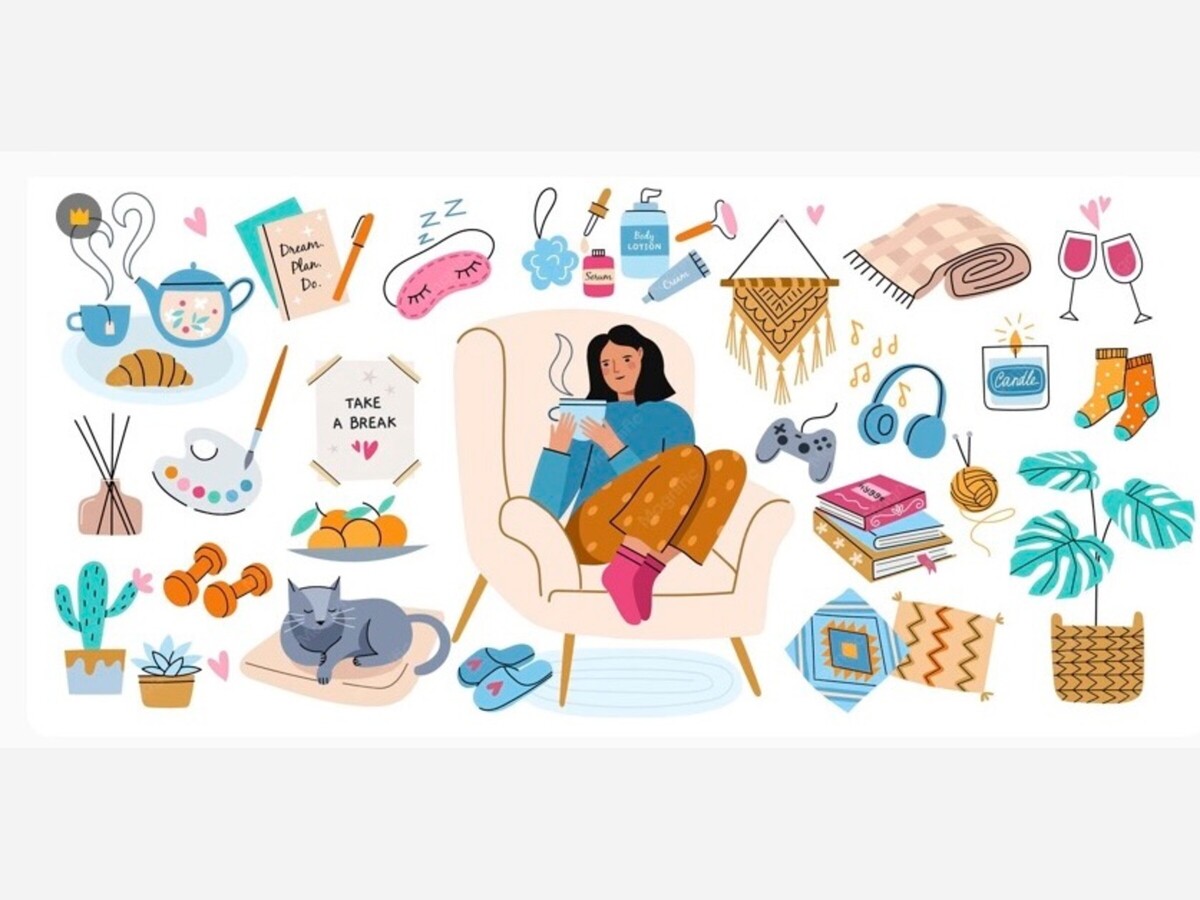
Hobbies are not just random pastimes. You can sort most leisure activities into four buckets: creative, physical, intellectual, and lifestyle. Each type feeds a different kind of growth, so the “best” hobby is the one that matches the enrichment you want right now.
This matters because the right category makes follow-through easier. Creative hobbies often restore and express; physical ones energize and steady mood; intellectual ones sharpen focus; lifestyle activities build supportive routines and community. Research links hobby engagement with happiness and life satisfaction, so choosing well is more than entertainment.
Think of it like picking a tool for a job. If you crave calm after work, watercolor may fit better than a new certification. If you want momentum, a beginner strength plan may beat another streaming night. Once you know the category, you can map the skills to real workplace roles.
Once you see how different hobby types help you grow, it’s natural to wonder what happens when one of those interests really sticks. If you fall in love with a new hobby or skill, going back to school can help you turn that excitement into a real career path by giving you recognized training and a clearer route to long-term success. If you’re starting a business, earning an online business management degree can build your skills in leadership, operations, and project management. And because it’s online, you can keep working, caregiving, or practicing your hobby while you learn, making it easier to keep your momentum without putting life on pause.
Pick one hobby to “test-drive” for two weeks, not forever. A short trial keeps it fun, gives you quick wins you can reuse later, and makes it easier to spot which skills could eventually translate into real roles (teaching, selling, managing projects, or creating content).
Q: How do I make time for a hobby with a busy schedule?
A: Keep the sessions small and protected: two or three 20 to 30 minute blocks per week. Tie it to an existing routine like right after dinner or right after your morning coffee. If you miss a day, resume at the next planned session instead of trying to “make it up.”
Q: What if I feel embarrassed being bad at it?
A: Expect awkward beginnings and treat them as proof you are learning, not failing. Practicing self-compassion means talking to yourself like you would to a friend: kind, specific, and patient. Choose “private practice” options early on, like solo drills or a beginner video.
Q: How can I stop forgetting what I learned between sessions?
A: End each practice with a 60 second recap: write what you did, what worked, and the next tiny step. Start the next session by repeating the last successful move for five minutes before adding anything new. Snap a quick photo or record a short clip to create a visual memory.
Q: What should I do when motivation drops in week two?
A: Shrink the goal, not the identity: do the “minimum version” for five minutes. Motivation stimulates, guides, and sustains learning, so your job is to make starting feel easy enough to repeat. Reward consistency with something simple, like checking off your log or telling a friend your one win.
Q: Can I switch hobbies if I am not enjoying it?
A: Yes, switching is smart data, not quitting. Write down what you liked, what you disliked, and what felt energizing so your next choice is more informed. Keep one small skill you gained, like better timing, patience, or planning.
Starting a new hobby often feels like a tug-of-war between real life, low confidence, and the fear of wasting time. The steady way through is the mindset this guide has leaned on all along: choose one skill, practice in tiny repeats, and treat progress as something you can notice and build. Do that, and motivation for skill learning stops being a mystery, new hobbies begin to show benefits in calmer focus, sharper follow-through, and personal enrichment that shows up in ordinary weeks. Pick one hobby, take one tiny step, and repeat until it becomes part of your life.
* Erin Reynolds is the creator of DIYMama.net, which provides resources to help others with home improvement projects and repairs. Keep an eye out for the DIY or Not Calculator, which will help you determine whether or not to take on a project yourself!


Overcast, with a high of 61 and low of 57 degrees. Light rain in the morning, moderate rain in the afternoon, light drizzle in the evening, overcast overnight.