Image



by Ed Carter*
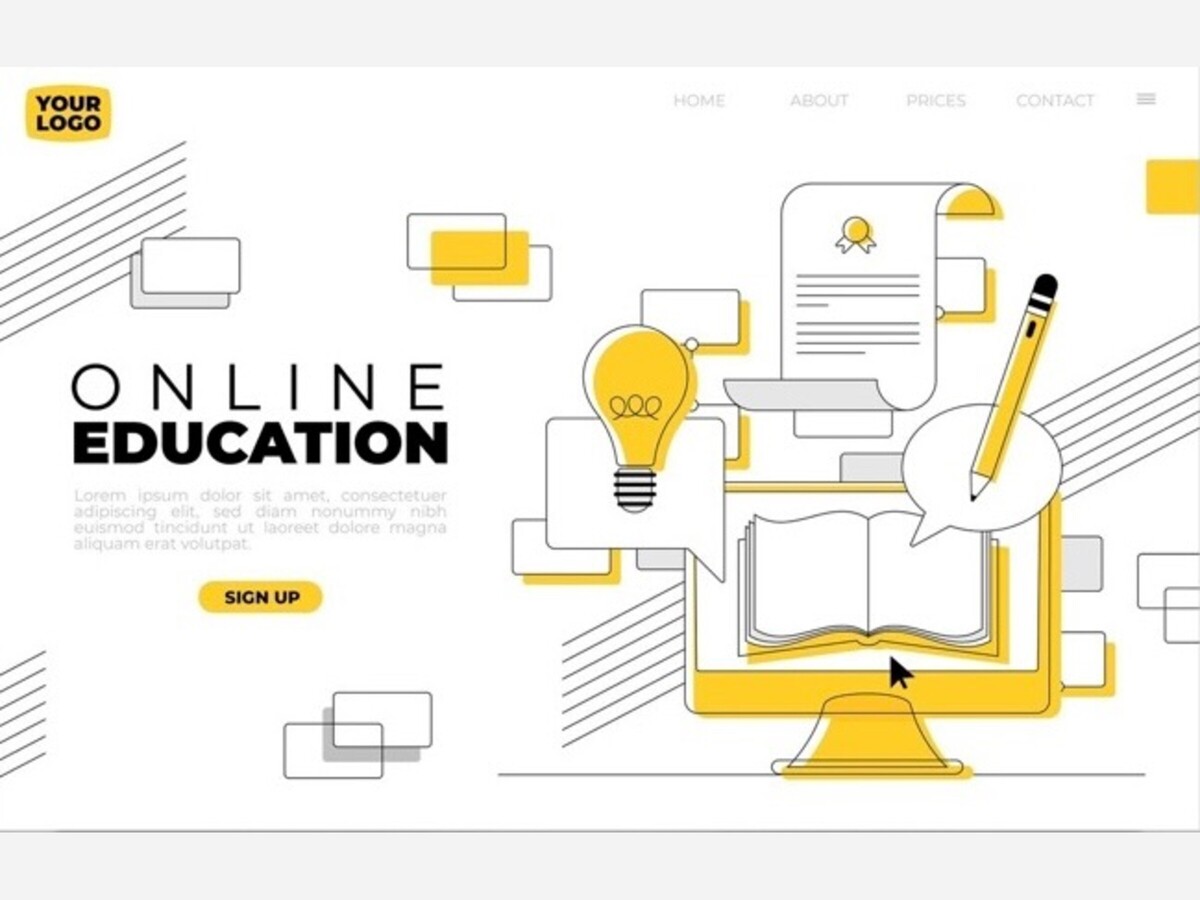
Working artists and creatives, illustrators, designers, photographers, makers, and writers, often face the same tension: strong skills and a steady stream of questions from others, but income that depends on time, energy, and inconsistent client work. An online course business offers a practical way to turn what they already know into clear lessons people can buy, creating digital education opportunities that scale beyond one-off projects. The challenge is making the leap from “I’m good at this” to “this is teachable and worth paying for,” without guessing wrong. With the right framing, creative skills monetization can become one of the most reliable sustainable income streams.
Once you can clearly describe what you’d teach, the next win is confirming people actually want it, before you spend weeks building. Validating demand early helps ensure your course speaks to real learner needs, which makes strong enrollment (and long-term business momentum) far more likely. Instead of guessing what students will pay for, gather proof from the market while your idea is still flexible.
You can do that by preselling the course to your target audience, running a paid live training on the topic, or simply collecting feedback to check whether your proposed curriculum solves a problem people actively want to fix. These small tests let you refine what you’ll teach, and how you’ll position it, before you invest significant time recording lessons, writing materials, or polishing the final experience. While you validate interest, it also helps to sanity-check your budget using a resource on online course startup costs so your plan matches your financial reality.
This roadmap turns a validated course idea into a sellable program you can confidently launch and keep promoting. It matters because clear milestones prevent overbuilding and help you make progress even with limited time, tools, or audience size.
Once you’ve mapped your course and launch plan, your next growth lever is the community that keeps your craft sharp and your business momentum steady. Belonging to an artists’ cooperative gives you a built-in network for peer feedback that improves your work, and, by extension, the clarity and quality of what you teach. Cooperatives often pool shared resources (from space and tools to promotional know-how), and they can open doors to exhibitions or teaching opportunities that expand your credibility and reach.
Many creatives find these kinds of connections make collaboration easier, leading to referrals, joint projects, and more consistent audience building. Just as important, the ongoing professional development that happens in a cooperative, informal critiques, skill-sharing, and exposure to what others are experimenting with, helps you spot patterns in what fellow creatives are struggling with and eager to learn, which is direct input for future course topics and better positioning.
Q: How do I build a course business with limited time?
A: Start with a weekly “minimum viable schedule”: one block to create lessons, one block to sell. Reduce tool hopping by choosing a single home base for files, email, and tasks since 40% of productive time can be lost to context-switching between tools. Batch similar work and keep your first course intentionally small.
Q: What tech do I actually need to launch?
A: Keep it simple: a place to host videos, a checkout, and email follow-up. Pick one platform that combines these, then add extras only when you feel friction. Do a test purchase yourself before inviting anyone in.
Q: How do I price without feeling awkward or greedy?
A: Price based on outcomes and support, not hours of video. Choose one “starter” price, then raise it after you get testimonials and see completion rates. Offering a payment plan can lower hesitation without discounting.
Q: When should I start marketing if my course is not finished?
A: Start as soon as your course promise is clear. Share your process, early lessons, and a waitlist, then build the course alongside real questions from your audience.
Q: How can I stay consistent with promotion without burning out?
A: Use a repeatable weekly rhythm: one helpful post, one story, one email, one invite. Lean into the reality that students studying at a distance increased by 33%, meaning steady online visibility matters more than occasional big pushes.
It’s easy to feel pulled between making art, learning new tools, and wondering if anyone will pay for what comes naturally. The steadier path is creative entrepreneurship motivation rooted in clarity: teach one specific outcome, validate it with real conversations, and build simple systems that support consistency. When applying course business lessons this way, confidence building for artists comes from evidence, not guessing, and the work starts to resemble a sustainable education business instead of a stressful side project. Build the course around one clear promise, and let the first launch teach you the rest.
* Ed Carter has worked with clients of all ages, backgrounds, and incomes. About 10 years into his career, he saw a need for financial planners who specialize in helping individuals and families living with disabilities.



Sunny, with a high of 77 and low of 56 degrees. Sunny in the morning, clear for the afternoon and evening,