

Image
by Jane Stahl
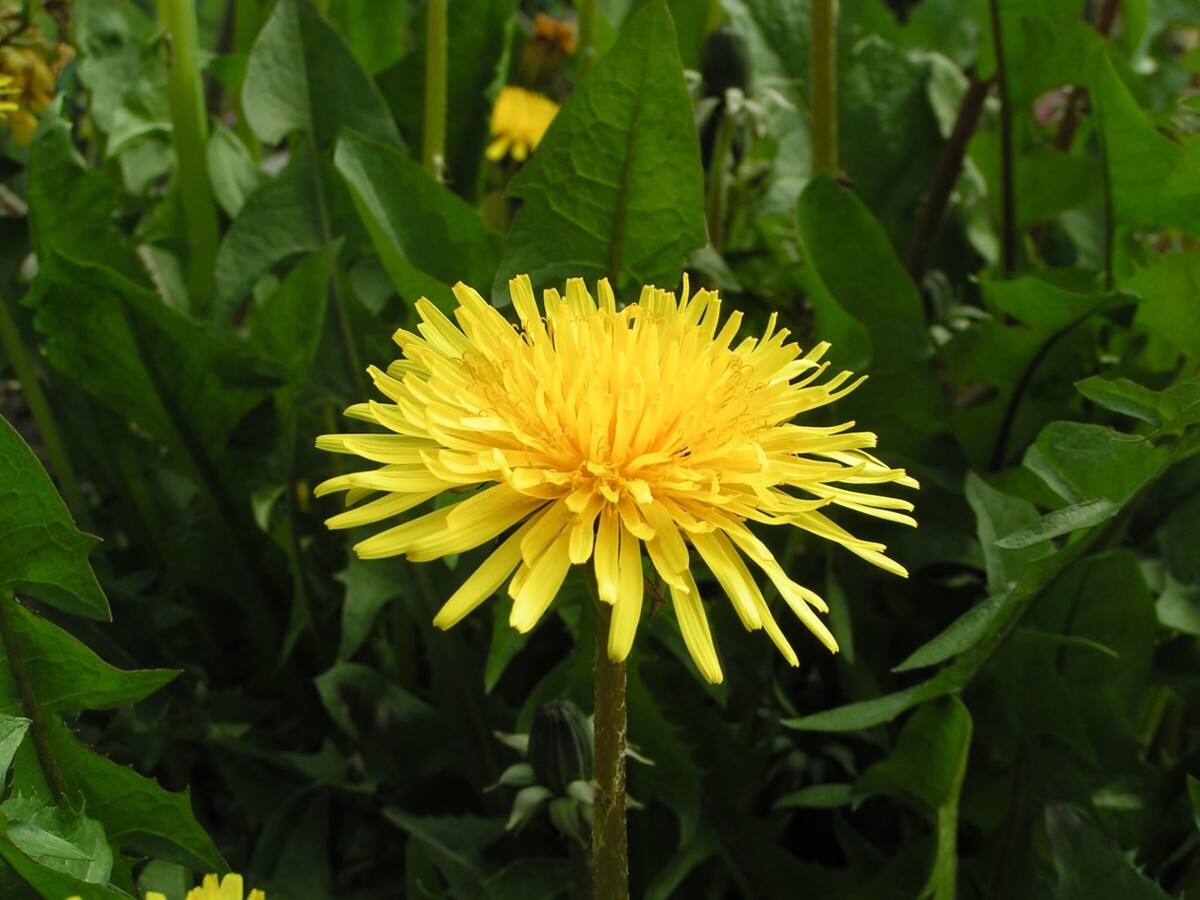
I know. Dandelions. Eye candy? Really? These lawn "zits"-- a scourge to homeowners everywhere--are (dare I say?) spots of sunshine on your lawns, offering a lovely hue of yellow. It must be admitted.
In their defense, I recall during my waitressing days that a culinary delight, often ordered, was a dandelion salad with hot bacon dressing. Dandelions are rich in different nutrients: vitamins A, C, E, K, and B and minerals--calcium, sodium, magnesium, iron, copper, silicon, zinc, and manganese. They're also a rich source of plant compounds including flavonoids, phenolic acids, and terpenes.
All parts of the dandelion are edible--flowers, leaves, and those tenacious roots, stimulate the appetite, and help with digestion. The flowers are often used to make dandelion wine; the roots--dried down--are often used as a coffee substitute due to their deep, malty flavor. Honey bees feast on dandelions, the first food available to them in spring.
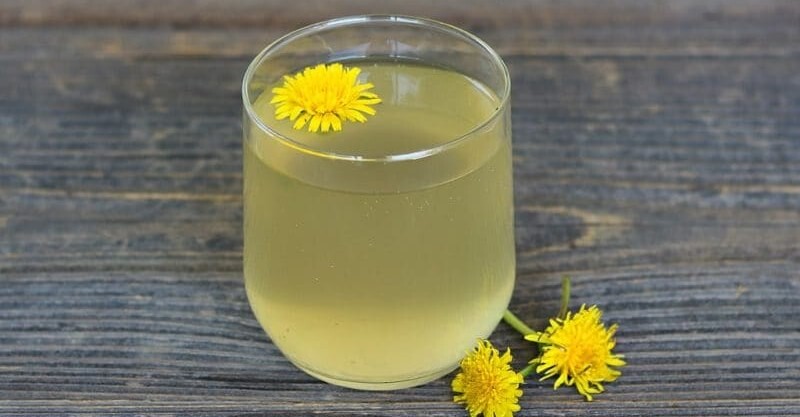
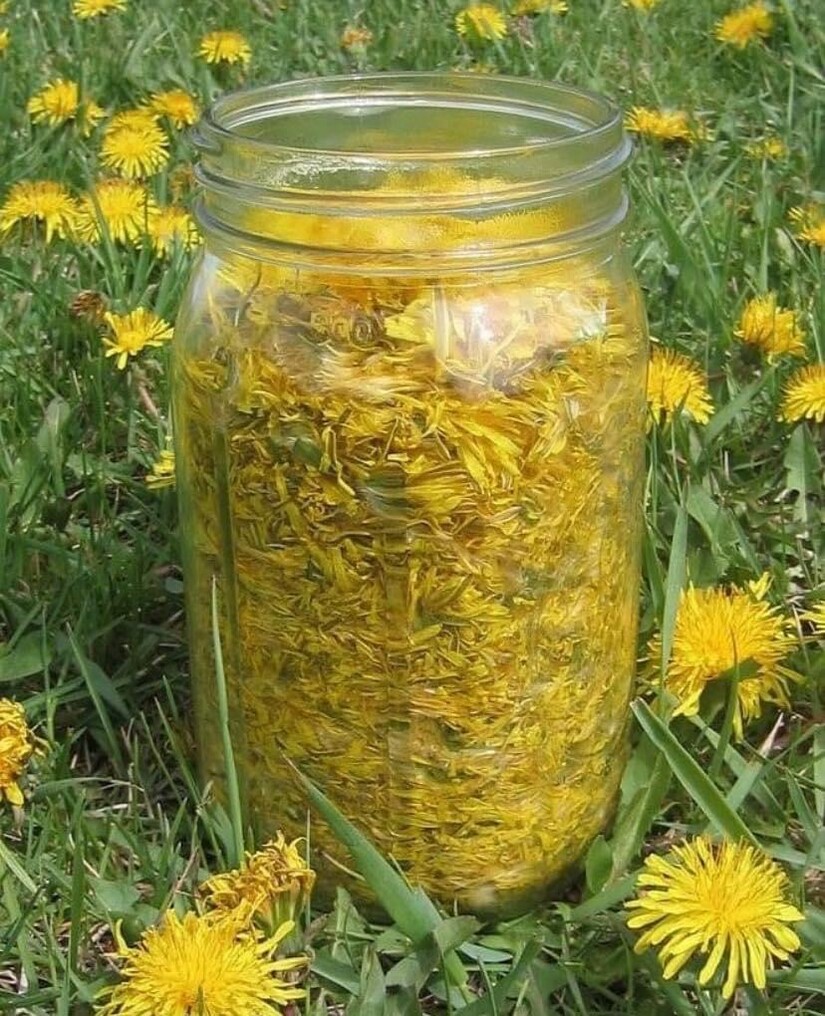
I first came to a "second look" at their beauty when I lived in Colorado while driving home from school around a deep bend in the road that circled Stapleton Airport. As I made the turn one spring afternoon, straight ahead, flooded with sunshine, was a large field covered in bright yellow. I was struck by the sheer beauty of the field but then suddenly conflicted when I realized the beauty was created with what was commonly rejected: dandelion weeds. I remember realizing my bias toward them, realizing I needed a change of heart.
Like others, my chore as a young girl was digging them out of the lawn--their tenacious roots created a Sisyphean task. Spraying them with weedkiller seemed only to encourage their spread. Destroying them was the goal. It was just what one did.
Years later, I arrived at a different perspective when they lost their youthful beauty and became a puff of seeds. The delicacy and symmetry in the spent flowers brought an admiration of their beauty and a symbol for me as a teacher.
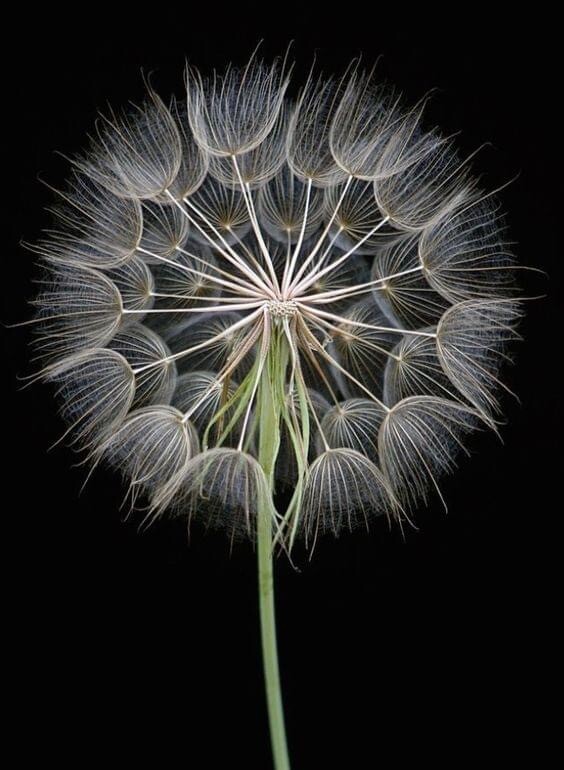
I suggested to my students that, just like the dandelion, annoying as I may be to them--a taskmaster they'd like to eliminate from the garden of their young lives--I had a certain bright spirit that could be appreciated. Plus, like the aging dandelion, my job was to spread seeds--of wisdom--to plant in their young minds--to bloom in later years--as wisdom of their own.
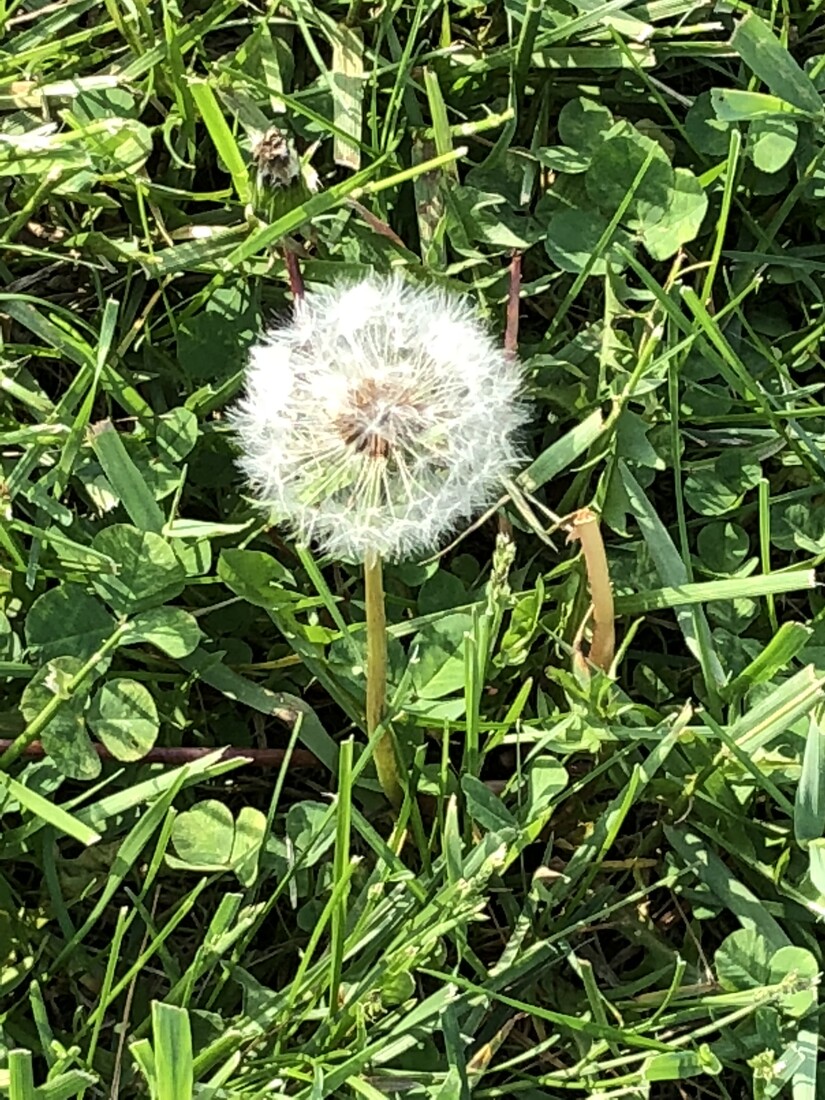
I hoped that my suggestion to give this flower a "second look" might encourage a habit of open mindedness--the ability to see their world from multiple perspectives, and sometimes reconsider a pre-judgment they held without complete understanding.
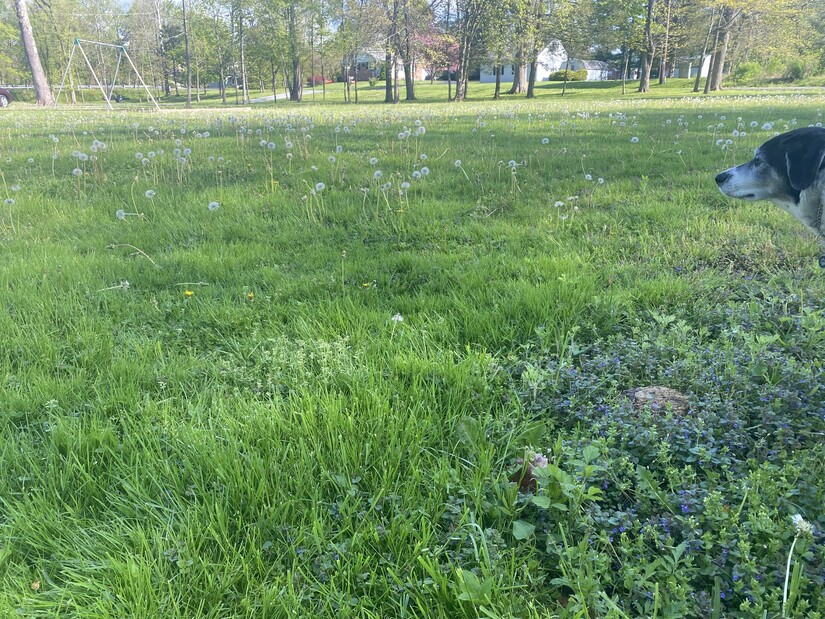
Ginger considers a field of puffs--a homeowner's nightmare!
My children know my fondness for the flower in all its stages. Just recently, one appeared to start my day to make a difference, spreading seeds of inspiration! I loved it!




Sunny, with a high of 62 and low of 40 degrees. Sunny in the morning, clear in the afternoon and evening,