Image
by Craig Bennett*
“The direction of escape is toward freedom. So what is ‘escapism’ an accusation of?” Ursula K. Le Guin:
There has been much in the news lately about “quiet cracking” and “quiet quitting.” Both conditions are apparently the result of an intense dissatisfaction with one’s job that induces varying degrees of withdrawal from the work involved. From what I’ve read here and there, just over half of all American workers experience one or the other of these at the present time. This, of course, results in lower productivity across the board. This results in lower profit, which is, of course, intolerable to those at the managerial level right on up to the CEO.
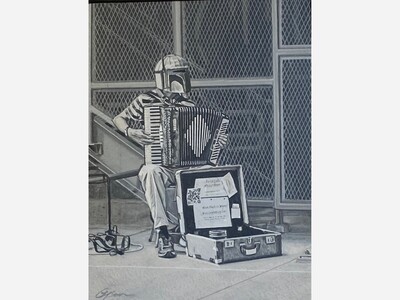
I can relate to that very easily, however. In the course of my eighty-plus years I’ve worked at a variety of jobs that were stultifyingly boring. The only thing that kept me functioning at many of them was that they were only temporary: summer jobs to earn money for college, whatever I could find to pay the bills when I was “between jobs,” and so-on. They were, however, the kind of jobs that most working people do, eight hours a day, five days a week, fifty weeks a year for roughly forty-five years until they can finally retire and spend their time doing what they’ve always wanted to. Running a drill press. Curing truck tires. Processing orders. The kind of jobs where the specific task at hand is brief, simple, and devoid of any personal connection to the worker except for the money he or she receives for performing it.
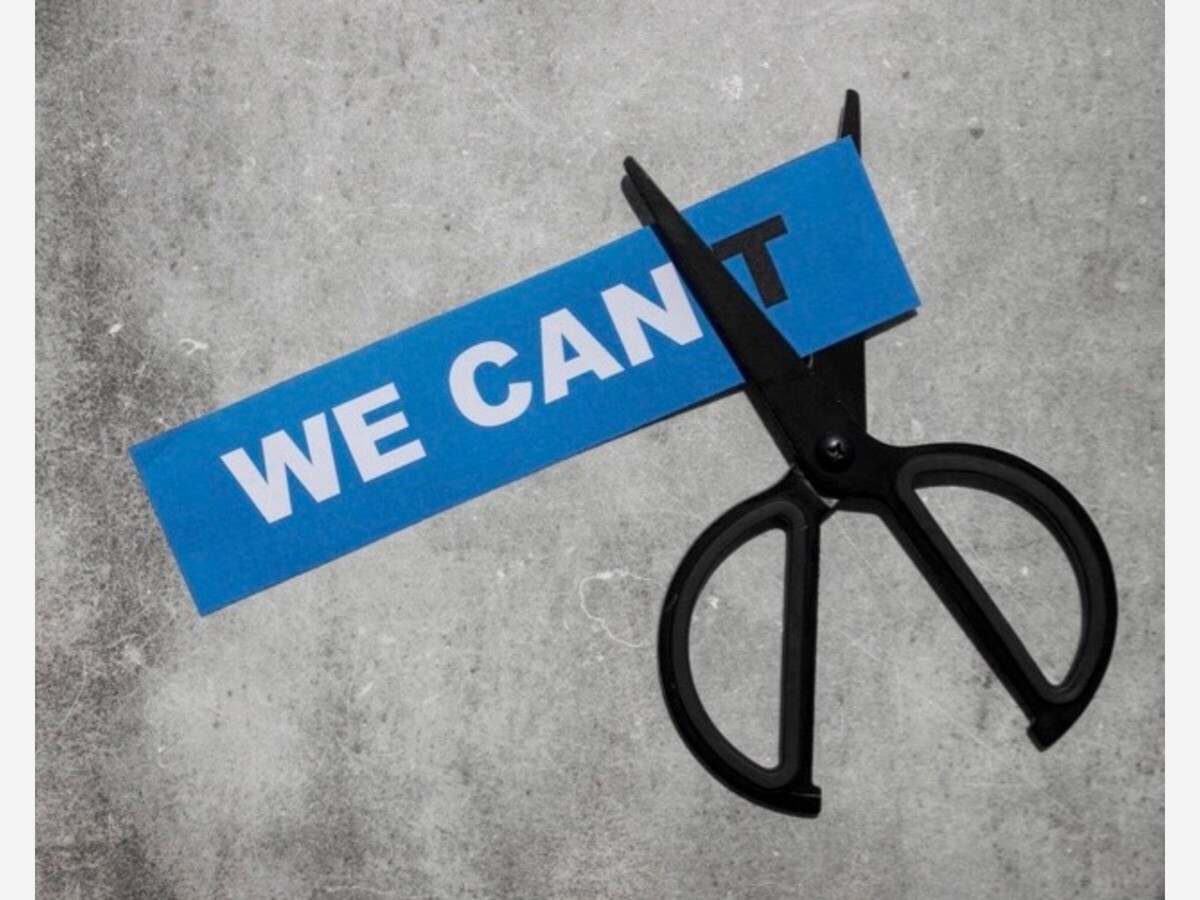
But for decades, going back at least to the mid-twentieth century, Corporate America has been replacing the workers who do such jobs with robotics and other sorts of technology that requires no “pay” beyond the initial investment, expects no vacations or sick days, can work around the clock for seven days every week, and won’t even consider forming a union. This is, indeed, the fondest dream of Corporate America come true.
But consider the words of Ursula Le Guin above. She is one of the most respected writers of science fiction alive at present, and much of the reason for that is the depth of insight her work shows into the discontents of contemporary society. In addition, something deep within myself has always valued and yearned for an ever-greater degree of personal freedom. I can say with a fair amount of confidence that having to subject myself to what seemed like endless routine—at school, at jobs, in the military, and elsewhere—left me with a strong distaste for any sort of enforced routine.
“But this is the way the world is,” you’ll say to me. “There’s nothing we can do about it.” OK. I certainly won’t disagree with your first statement, but I can’t say the same about the second. After all, how did the world come to be like that? Is it some sort of natural law that several million people in this country alone must spend their days figuratively chained to a desk or some other work station for eight hours, performing some sort of repetitive and relatively undemanding task that means nothing to the soul inside of them? Who created these enterprises? Who decided how they would be constructed and what form they would take? Who determined the work schedule?
All of these things—these conditions and circumstances—were decided by people. People not radically different from the ones out there on the factory floor or at a desk in the cubicles or at one of the cash registers lined up across the exit areas of large supermarkets and department stores. And much of the work these people are doing is precisely the kind of thing that robotics and artificial intelligence (AI) are designed to do. And as soon as the relevant technology becomes available at a price that the company can afford, it will replace most, if not all, of those workers. And what will happen to them?
We already know some of the answer. First, they will be laid off. Their job will have been taken over by a bit of technology. They will be unemployed, and it may be very difficult for them to find another job that pays what they’d been earning and provides a similar package of benefits (medical insurance in particular). Very likely they’ll wind up finally taking another job, if they can find one that won’t reject them as being overqualified, and make the necessary adjustments in their standard of living, which may be considerable. Chances are that this will be something in the service sector—waiting on tables, clerking in a convenience store, manning the telephone in a “customer service” office, and such like. In other words, working for still another revered and admired “job creator”—until said job creator finds a way to automate those jobs, too. Amazon, for example, has been a major U.S. employer for quite a few years at this point. But a sidebar item in The Week for October 31, 2025, notes that “Amazon’s automation team expects the company can avoid hiring more than 160,000 people in the U.S. by 2027 thanks to robotics.”
And there’s more great news for working people: Silicon Valley companies are adopting the “9-9-6” work schedule (with no thought of anything like overtime pay) in order to remain competitive in “the all-out AI race.” That is, nine a.m. to nine p.m. six days a week. The Chinese have already tried it and found it so objectionable that they outlawed the practice in 2021. But American Corporate Culture isn’t about to imitate the Communist Chinese—at least not in any way that can be easily recognized. The “can do” spirit of American enterprise will surely prevail. And spread. And probably seep downward into less glamorous, less lavishly remunerative positions. The robots and AI circuitry will be doing the grunt work, the relatively few emperors of high tech will be raking in the millions per week, and the rest of us who used to work for a living will… (fill in the blank—if you can).
*Craig H. Bennett, author of Nights on the Mountain and More Things in Heaven and Earth, available at amazon.com, barnesandnoble.com, and most book stores
Source: The Week, Nov, 7, 2025, “The 996 economy: Overtime, Silicon Valley-style,” pg.33; The bottom line, pg. 32



Interesting, Bob. Thanks, but I wonder how that related to people’s probably very strong religiously beliefs back then —-not the fact that there’s evil, but that there’s some kind of symbol that can stop it; that sounds more like witchcraft.

Sunny, with a high of 59 and low of 43 degrees. Sunny for the morning, cloudy in the afternoon and evening, clear overnight.