

Image
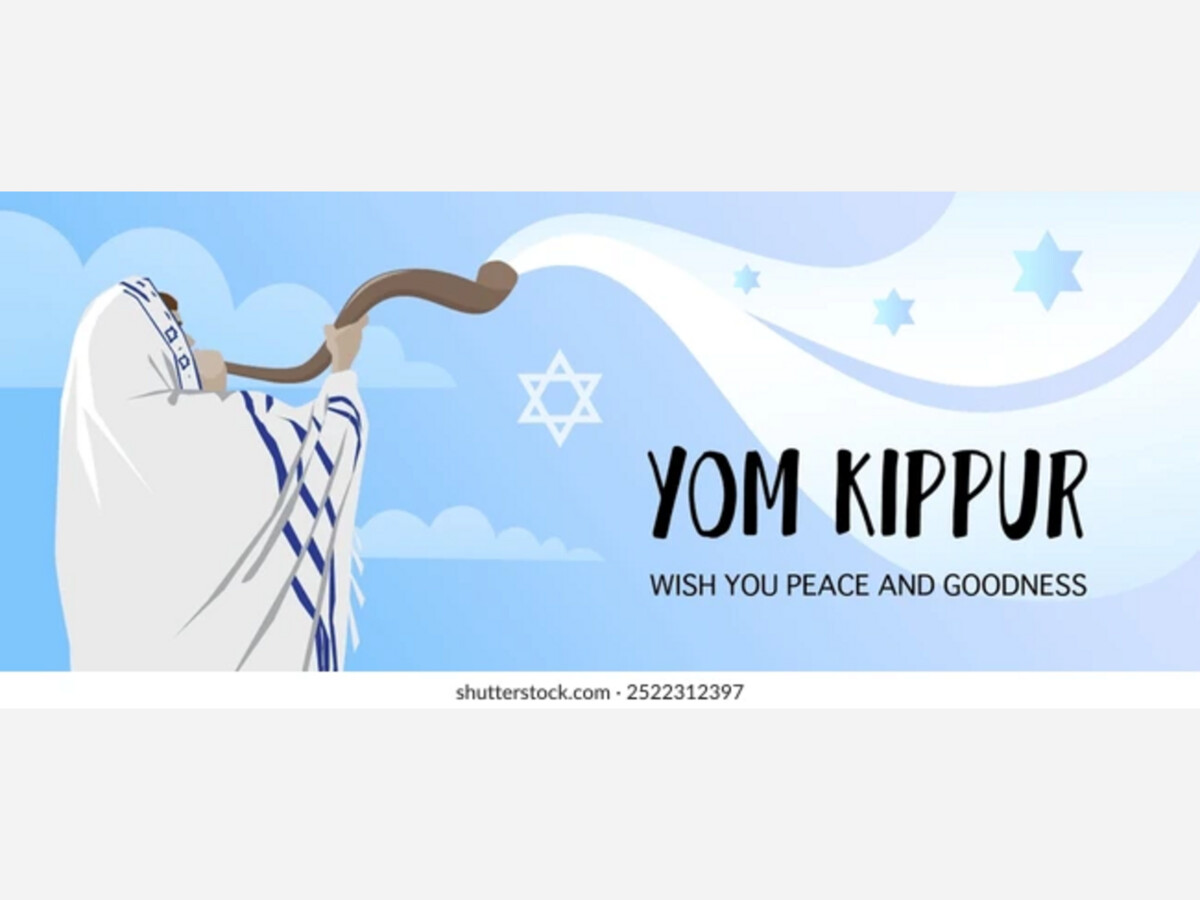
As the sun sets Sunday evening, Sept. 20, Jewish communities around the world will begin observing Yom Kippur, the holiest day of the Jewish year.
Known as the Day of Atonement, Yom Kippur is a time for reflection, repentance, prayer and forgiveness. It concludes the 10-day period known as the Days of Awe, which begins with Rosh Hashanah, the Jewish New Year.
Yom Kippur will continue until nightfall Monday, Sept. 21.
At its heart, Yom Kippur is about taking an honest look at the past year — acknowledging mistakes, seeking forgiveness from others and from God, and resolving to do better in the year ahead.
It is, in many ways, a day devoted to starting over.
For many Jews, one of the most recognizable traditions of Yom Kippur is the approximately 25-hour fast. Traditionally, observant Jews refrain from eating and drinking, including water, from before sunset Sunday until after nightfall Monday. People whose health would be endangered by fasting are not expected to do so.
The fast is intended to turn attention away from physical needs and toward spiritual matters.
Yom Kippur is also a day when many Jews spend considerable time in synagogue. The services are more extensive than those of an ordinary day, with prayers of confession and repentance woven throughout.
The holiday begins with Kol Nidre, one of the best-known and most emotionally powerful prayers in Jewish tradition. Its haunting melody has become almost synonymous with Yom Kippur. Despite its solemn sound, Kol Nidre is essentially a declaration concerning vows and promises, asking that certain vows made to God be annulled.
An important part of Yom Kippur is the idea that asking God for forgiveness is not enough when another person has been hurt.
Before Yom Kippur, Jews are encouraged to make amends with people they have wronged and to seek forgiveness directly. The holiday therefore becomes not simply a private spiritual exercise, but also an opportunity to repair relationships.
During the services, a traditional confession of sins is recited. Interestingly, it is generally expressed in the plural — “we have sinned” — rather than simply “I have sinned.”
The wording recognizes that everyone makes mistakes and that human beings are part of a community.
Yom Kippur also contains a solemn memorial service known as Yizkor, during which Jews remember deceased family members and loved ones.
For many, it can be one of the most emotional moments of the holiday. The quiet of the day, combined with memories of parents, grandparents, spouses, siblings and friends, gives Yom Kippur a deeply personal dimension.
The holiday is therefore not only about examining one's own actions but also about remembering the people who have shaped one's life.
Some Jews traditionally wear white on Yom Kippur. White can symbolize purity and renewal and, in some traditions, serves as a reminder of human mortality.
The day's final service, called Neilah, is particularly significant. The Hebrew word can be understood as referring to the closing of the gates, symbolizing the end of the period of intense prayer and repentance.
Then comes one of the most recognizable sounds in Judaism: the blast of the shofar, a ram's horn.
The shofar was also sounded during Rosh Hashanah, but its final blast at the conclusion of Yom Kippur has a special significance. It signals that the long day of fasting and prayer has come to an end.
And then, quite literally, people eat.
After approximately 25 hours without food or drink, families and friends gather for a break-fast meal.
There is no single menu for the occasion, but bagels and lox, eggs, kugel, fruit, pastries and other familiar Jewish foods are often part of the meal. Some families serve a lighter meal after the long fast, while others make the break-fast a substantial family or community gathering.
The mood can shift remarkably quickly — from the solemnity of the synagogue to conversation, laughter and the simple pleasure of eating together.
That contrast is part of what makes Yom Kippur so distinctive.
The day begins with the recognition of human shortcomings and the weight of things left unsaid or undone. It ends with the possibility of renewal.
For Jewish people observing Yom Kippur, it is a sacred opportunity to pause from the ordinary demands of life, consider the year that has passed, make amends where possible and look toward the year ahead with a clean slate.
And perhaps that is an idea that reaches beyond any particular faith: there is value in stopping once in a while, looking honestly at how we have treated one another, asking forgiveness when it is needed — and giving ourselves permission to begin again.


Overcast, with a high of 68 and low of 49 degrees. Overcast in the morning, clear overnight.