49° and Light rain shower
Image




Editor's note: Content does not necessarily reflect the opinions of the editors.
by Ed Carter*
For creative entrepreneurs building a living from their work, the hardest part is often balancing creativity and businesswithout feeling like one has to crush the other. The art asks for space, while artistic career management demands decisions that can feel blunt: pricing, boundaries, consistency, and follow-through. These creative business challenges can turn the day into a tug-of-war between making and managing, with anxiety filling the gaps. A calmer, repeatable creative professional workflow makes the business side feel clearer and steadier.
Once you’ve got a few basic business moves in place, it gets easier to market consistently without draining your creative energy.
AI-generated images can help you create engaging visual content quickly, so you can keep your brand looking cohesive while still shipping fresh promos for posts and launches. Instead of designing everything from scratch, you can describe what you want (style, colors, mood, subject) and get multiple options to choose from in minutes. Using a text-to-image tool like a free AI photo generator can streamline the process of creating visual content to promote your brand. Next, you’ll put that same “simple and repeatable” mindset into a practical business system you can run week to week.
[Editor's note: Use of AI-generated images should be used judiciously--as a tool to assist in creation of materials, not as a replacement for creative input--especially in businesses related to the arts. ]
This is a repeatable routine you can run each week to keep money, admin, and marketing moving without squeezing out your creative energy. It turns vague “I should handle business stuff” into a few clear actions that protect your time and make clients feel confident.
Small, consistent steps keep the spark protected and the business steadily easier to run.
Quick answers to the worries that pop up mid-project.
Q: How do I set time boundaries without feeling rude or inflexible?
A: Decide your office hours first, then share a simple response-time promise like “I reply within 1 business day.” Put your call times, feedback windows, and delivery days in writing so clients know what “normal” is. If you slip, reset once with a clear date, not a long apology.
Q: What deposit amount should I ask for, and how do I handle it?
A: Many creatives start with a 30% to 50% deposit to reserve time and reduce payment anxiety. Treat it as part of the total, not an extra fee, and state when the remaining balance is due. Only begin work after the deposit clears.
Q: How do I stop scope creep when clients “just add one more thing”?
A: Name what is included, then add a change rule: extra requests are either swapped with something else or billed as an add-on. When a new request arrives, reply with one question: “Should we replace an item, or should I quote this addition?”
Q: When should I say no to a client, even if I need the money?
A: Say no when the timeline is unrealistic, the deliverables keep shifting, or communication feels consistently disrespectful. Offer a smaller option, a later start date, or a referral so you stay professional without overcommitting.
Q: Can I build systems if I’m busy, inconsistent, or starting late?
A: Yes, and you do not need to overhaul everything at once. Pick one template to improve this week, then tweak it over time like a living document. Keep the same basics and iterate instead of restarting. Your creativity thrives when the business side feels kind to your time.
Balancing client work, admin, and making time to create can feel like your business is slowly squeezing the spark out of you. The steadier path is to keep it simple: choose three foundational business tools, run routine business reviews, and improve only what supports the work you want to make. When those pieces are in place, creative career growth stops feeling chaotic and starts feeling supported, because your business systems' scalability grows with demand instead of breaking under it. Build a business that holds your creativity, not one that competes with it. Pick your three tools and put a monthly review on the calendar today. This is how creative entrepreneurship growth becomes resilient enough to carry you through busy seasons without burning you out.
* Ed Carter has worked with clients of all ages, backgrounds, and incomes. About 10 years into his career, he saw a need for financial planners who specialize in helping individuals and families living with disabilities.



Light rain shower, with a high of 54 and low of 47 degrees. Light rain shower during the morning, mist in the afternoon and evening, light rain shower overnight.



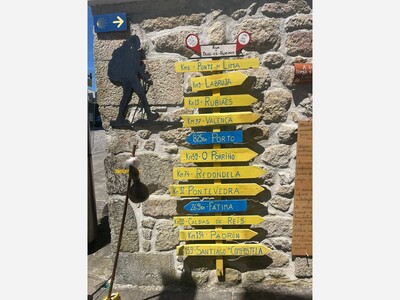
Thanks to the Strzelecki’s for sharing their journey with us. So inspiring!