Image
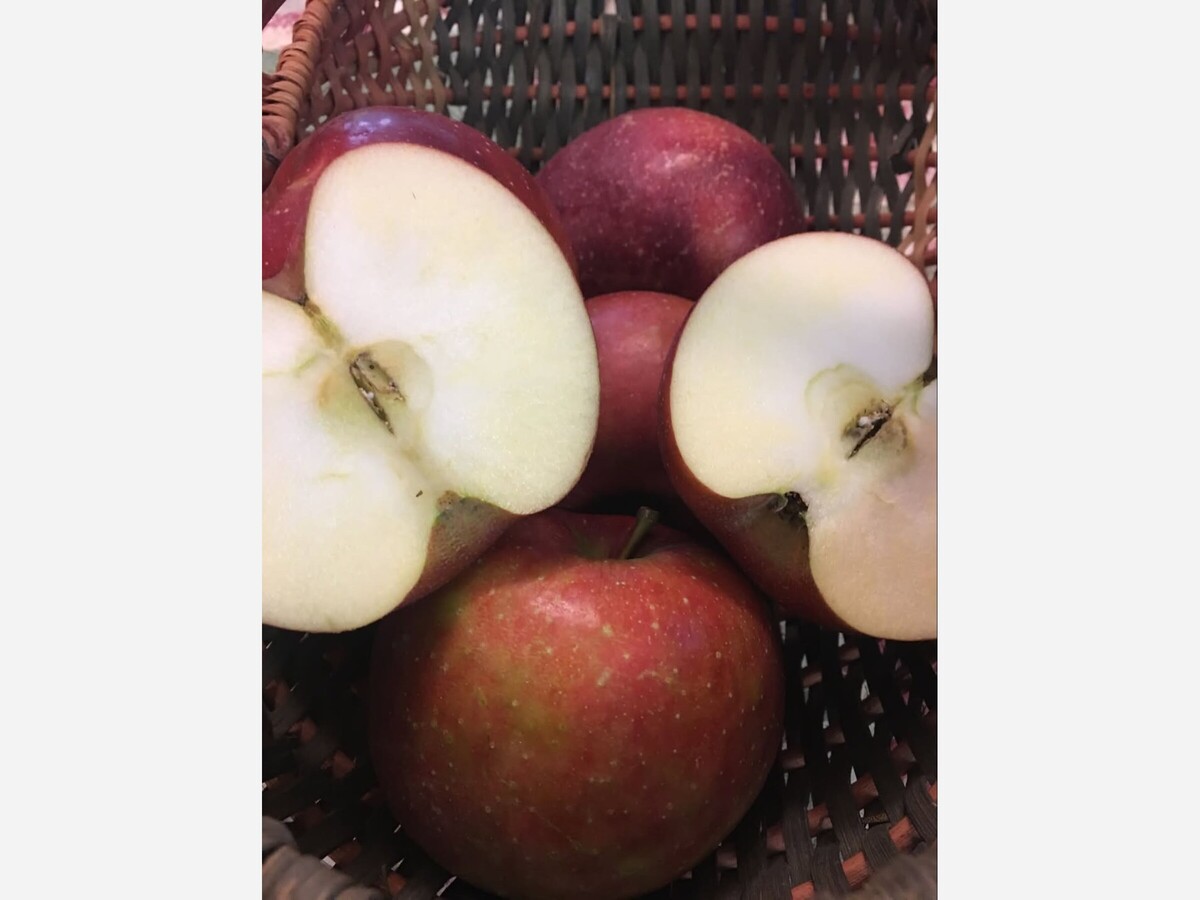
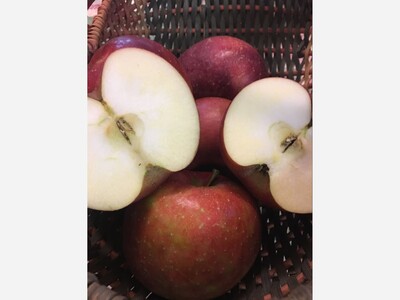
Rome apples!
In 1816 an accidental wild shoot spouted from an apple tree planted on the banks of the Ohio River. A Mr. Joel Gillett gave the ungrafted seedling to his son to raise. All were amazed when the tree produced large, bright red apples and so in 1832, the tree once known as Gillette’s seedling was renamed “Rome Beauty” after Rome Township, where it grew.
For years after, the Rome apple and her “daughters” grew in popularity and were named “the Queens of Baking Apples."
Sadly the mother tree was washed away in a major flood in 1860, but a commemorative marker remains there to this day.
While the Rome is not prized as an eating apple, she is unsurpassed when baked. Her flavor becomes richer and sweeter in sauces, pies, and any baked dishes.
She’s a late apple so she often escapes late spring frosts and damaging winds, storing exceptionally well for months in the fridge or cellar.
I hope you give this lovely apple a try!
You can find a simple recipe using Rome apples by clicking here. It is from the New York Times.
High in the mountains above Bally, where the dense groves of treetops seem to touch the sky, is Francine Black, Boyertown’s own version of chef Julia Child. Her daily activities reflect the things she most values: family and friends, music, and lovingly prepared food.High in the mountains above Bally, where the dense groves of treetops seem to touch the sky, is Francine Black, Boyertown’s own version of chef Julia Child. Her daily activities reflect the things she most values: family and friends, music, and lovingly prepared food.
Not badly done for a former journalism teacher and school newspaper advisor. Thank G_d there was no need for collating or paste-ups.

Sunny, with a high of 63 and low of 38 degrees. Smoky haze for the morning, sunny during the afternoon, clear in the evening, smoky haze overnight.



Interesting, Bob. Thanks, but I wonder how that related to people’s probably very strong religiously beliefs back then —-not the fact that there’s evil, but that there’s some kind of symbol that can stop it; that sounds more like witchcraft.
Religion and superstition have always co-existed. For an example, see any devout Christian in the area who also has a "lucky" Eagles jersey, or believes that wearing their baseball cap inside out will help a rally keep going...