58° and Patchy rain nearby
Image



[Editor's Note: Well-known writer J.K. Rowling, the author of the "Harry Potter" novels, has written, "Understanding is the first step to acceptance, and only with acceptance can there be recovery."
According to the Anti-Defamation League, there have been 54 reported incidents of antisemitism in Pennsylvania over the last two years. They have occurred in places like Philadelphia, Bucks County, Lancaster, Pittsburgh, Plymouth, Conshohocken, and Lower Merion among other locations.
To help promote the understanding to which Rowling refers, we share this overview of the Jewish holiday, Chanukah.
The following article was prepared by Margaret "Peggy" Sakow. Peggy has taught English to speakers of other languages and has worked for years against sex trafficking and exploitation of women and girls.]
by Margaret Sakow
Chanukah, the festival of lights, takes place every year on the 25th day of the month Kislev on the Jewish calendar. The word Chanukah means rededication.
A Very Brief History
Under the harsh and cruel rule of Antiochus IV, Jews were oppressed and their religious practices were prohibited. Antiochus IV ordered the sacrifice of pigs on the Temple altar, thus desecrating the Jews’ most holy place.
A heroic rebellion led by Judas Maccabeus was victorious in driving the enemies from the Temple. Antiochus perished in a horrid death. Following the defilement of the Temple, a rededication was required.
Purified oil was necessary to light the Temple’s menorah. Only one small flask of purified oil remained in the Temple. The lights were supposed to burn continuously. However, the flask only had enough oil for one night, and it would take days to acquire more purified oil. But miraculously, the oil lasted long enough to kindle lights for eight days. By then, additional purified oil was brought to the Temple.
The miracle of oil that gave light for eight days is remembered every year during the festival of Chanukah. The story is not in the Torah (Jewish Bible), but it can be found in the Book of Maccabees. Thousands of years later, the Jewish people recall the victory of the Maccabees and the miracle of the oil.
Lighting the Chanukiah
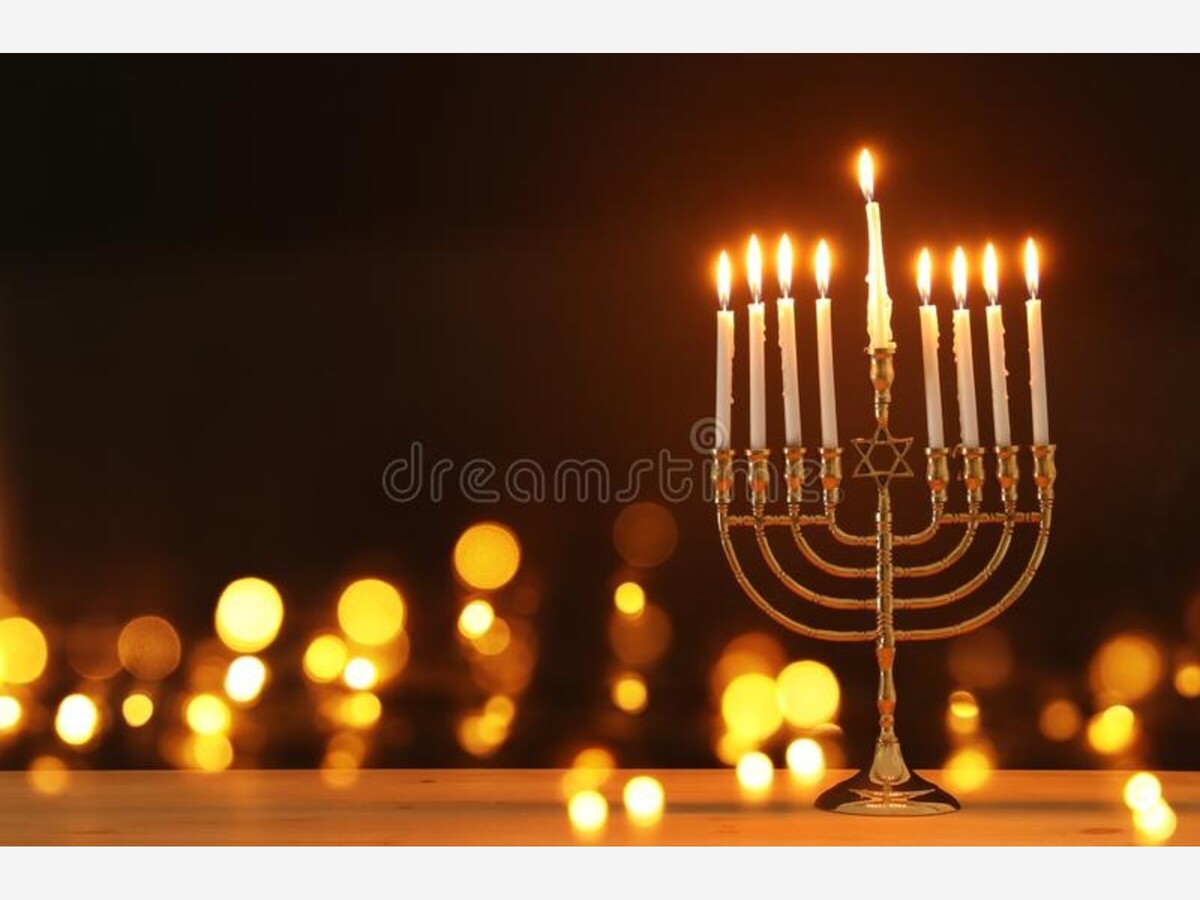
The menorah to celebrate the 8 days of Chanukah is called aChanukiah. Menorah refers to the candelabrum used in the synagogue sanctuary. The Chanukah candles are kindled to recall the miracle of purified oil that burned for eight days, allowing for the complete rededication of the Temple.
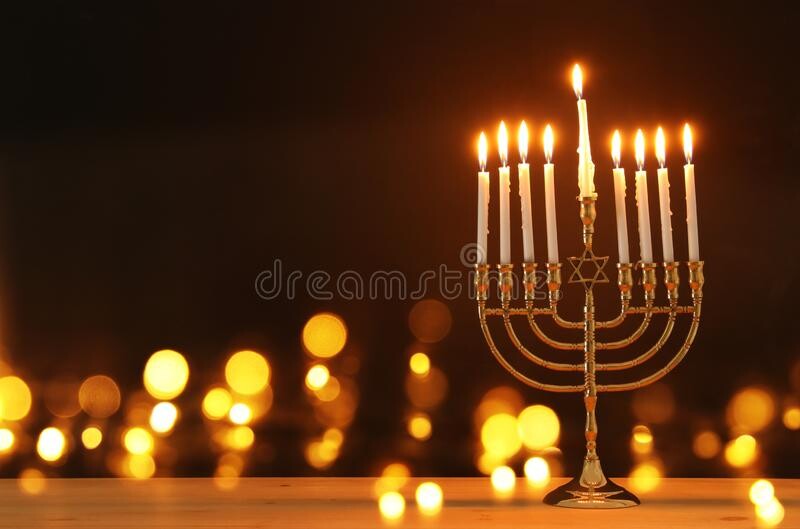
As in all Jewish festivals and holy days, the observances begin at sundown on the previous evening. The first candle is lit on 24 Kislev. (This year on the Gregorian calendar, the first candle will be lit the evening of Dec. 18.)
Traditionally every Jewish home begins the candle lighting with the three blessings that thank God for the miracle and for allowing us to reach this joyous day. On the second night and thereafter, only two blessings are recited.
The candles are placed right to left and are lit from left to right. An additional candle is lit each night until the final day of Chanukah. A Chanukiah has holders for 9 candles. The extra one is called the shammash. The shammash is the helper candle and is lit first every night. We light the Chanukah candles from the flame of the helper candle. Each night of Chanukah brings brighter light and blessings recited after the candles are lit.
Beit Hillel and Beit Shammai
It is often asked, how this particular tradition of lighting the candles from one to eight came to be. That is a fascinating story.
There were two leading schools of thought on Jewish law: Beit (house or school) Hillel and Beit Shammai. In almost all cases of law, Hillel‘s opinion prevailed. And so did the way of lighting the Chanukah candles.
Hillel had a good argument for the lighting of the candles one to eight. Beit Hillel said that each night the candles should increase one to eight because the succession of candle lighting refers to the numbers of days that the oil was sufficient. Hillel also believed that as holiness increases, so should the illumination of the lights.
Beit Shammai advocated lighting eight candles on the first night and removing one each successive night. The decrease in light would symbolize the oil that diminished. According to Shammai, the flask is the miracle for all the unexpected oil it contained.
A Contemporary Perspective
In anessay for the National Centre for Jewish Healing entitled, Lights in the Darkness: Revisiting the School of Shammai, author Rabbi Regina L Sandler-Phillips asserts that the Chanukah candles are for the purpose of proclaiming the miracle and not for the utilitarian purpose of giving light, suggesting that perhaps we are undervaluing that one candle.
Rabbi Sandler-Phillips suggests we reacquaint ourselves with the argument put forth by Shammai: the oil is the miracle. As oil in the flask diminished, so should the candles. It is a logical argument. Many more opinions were exchanged before a decision was reached. (See notes at end.)
Rabbi Phillips-Sandler draws a meaningful healing message from Beit Shammai. Those struggling with illness and grief may better understand the healing message of one light. One meaningful light may be enough to continue to warm the soul and find joy and solace as it shines in darkness.
As we Jews recall a miracle, I believe that Rabbi Sandler-Phillips offers a significant perspective on candle lighting. As Shammai believed that the diminishing number of candles correspond to the diminishing quantity of oil, those seeking healing can feel the love and hope in just one light.
I read Rabbi Sandler-Phillips essay some years ago, and, since then, I have two Chanukium. One according to Beit Hillel and the other according to Beit Shammai. Both signify the great miracle of the tiny cruse of oil- whether by the traditional crescendo of light or by one flickering light in the darkness.
Happy Chanukah, everyone!
Notes:
1) A more detailed analysis and commentary on the opinions proposed by Hillel and Shammai can be found in an excellent paper by Rabbi Joshua Flug. His paper, Beit Shammai and Beit Hillel: Two Fundamentally Different Approaches to Chanukah. Available online.
2) The opinion of Hillel prevails to this day.
3) Blessings on Chanukah:
Blessed are you, Lord, our God, sovereign of the universe
Who has sanctified us with His commandments and commanded us
to light the lights of Chanukkah. (Amen)
Blessed are you, Lord, our God, sovereign of the universe
Who performed miracles for our ancestors in those days at this time
Shehecheyanu (first night only)
Blessed are you, Lord, our God, sovereign of the universe
who has kept us alive, sustained us, and enabled us to reach this season (Amen)

Patchy rain nearby, with a high of 78 and low of 56 degrees. Sunny in the morning, partly cloudy in the afternoon, sunny in the evening, clear overnight.