70° and Heavy rain
Image
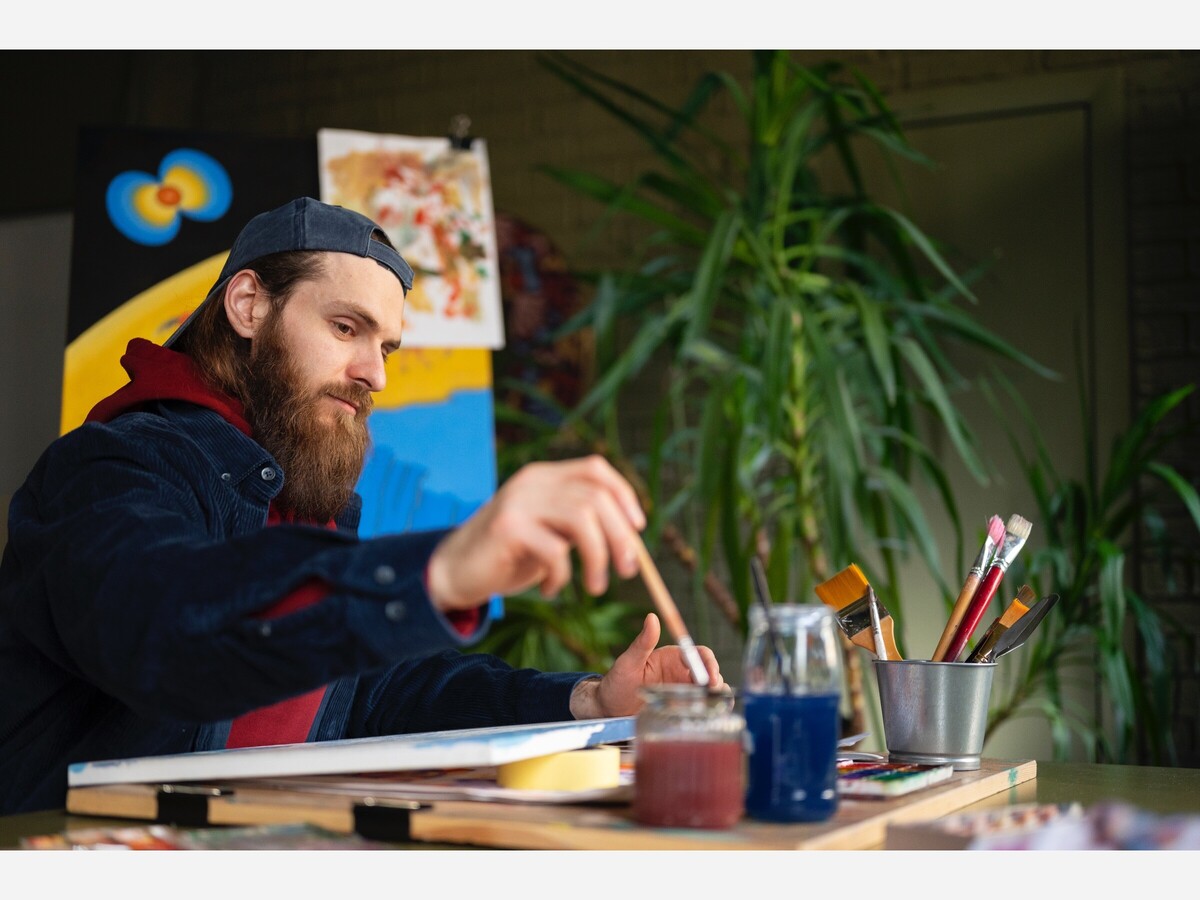



Image by Freepik
by Jenna Sherman*
Stress is a universal part of modern life — but the tools we use to manage it don’t have to be complicated. For many people, the answer is already in their hands: a paintbrush, a lump of clay, a beat on loop, or a sentence waiting to be written. Creative activities don’t just “distract” the brain from stress — they actively reorganize emotional processing, help regulate nervous system response, and rebuild a sense of agency. In a culture where productivity is often treated as the only worthwhile output, creative acts return something rarer: relief without performance.
Working with your hands — especially in rhythmic, repetitive ways — activates neural circuits that ease anxiety. Knitting, sewing, sculpting, and even woodworking all require attention and intention, but not perfection. In fact, crafts-based interventions may benefit mental health and well-being across a variety of populations. From improved self-esteem and lower anxiety to better emotional regulation, crafts have shown therapeutic promise even without professional instruction. This matters: it means you don’t need to be “good” at something to benefit from it. The process is the medicine.
Unlike passive distraction, creative flow draws the brain into an immersive state — one that silences the internal narrator that loops fear and overthinking. A 2024 study found that tactile art activities like clay modeling and paper foldingsignificantly reduced short-term anxiety in university students. The stress relief wasn’t subtle — participants who engaged in short guided art-making sessions reported noticeably calmer moods after just 15 minutes. The key factor wasn’t artistic skill, but absorption. Hands moved, breath deepened, and anxious spirals slowed.
You don’t have to identify as “artsy” to engage in creativity. For some, that outlet is sound. Music profoundly impacts emotional states and helps alleviate stress — not by erasing emotion, but by offering a way to process and transform it. Whether you’re singing badly in the car, drumming on a desk, or building a playlist for your walk, sound lets emotion move through the body without words. And that’s crucial: unspoken stress has to find a way out. Melody gives it motion.
Not everyone feels confident picking up a paintbrush — but that doesn’t mean visual creativity is off the table. For those seeking a lower-barrier way to express ideas visually, this is a good option to consider. AI art generators let you input a descriptive prompt — anything from “foggy mountaintop at sunrise” to “cyberpunk turtle with headphones” — and instantly receive vivid images you can then tweak. Tools like Adobe Firefly also let you adjust lighting, color, style, and layout so that you’re not just a viewer, but an editor in the creative process. That level of control helps shift the brain from passive stress loops into active imagination — even if you’ve never set foot in an art class.
One reason people avoid starting creative hobbies is overwhelm — they feel they have to commit to a whole painting or a full song. But the mental-health value of creativity doesn’t scale with scope. A recent public health review found that even brief, accessible art and craft sessions improve mental health as much as structured therapy in many contexts. This includes mood boosts, lower anxiety, and improved social connection. The takeaway? You don’t need a gallery wall. A 10-minute doodle or embroidery session counts.
Creative expression doesn’t just “distract” from emotion — it helps metabolize it. Unlike numbing behaviors (doomscrolling, binge eating, isolation), creative practices make contact with the emotional body — then give it structure. Anger becomes a line. Sadness becomes a chord. Confusion becomes clay. These acts build a library of self-regulation tools — and unlike a prescription bottle, they don’t run out.
The long-term benefit of creative stress relief isn’t about spontaneity. It’s about rhythm. Having a hobby is tied to happiness and well-being, especially when practiced regularly. Small rituals — ten minutes of journaling, a Sunday watercolor habit — create islands of intentional calm. This consistency doesn’t just lower baseline anxiety. It also makes the brain more resilient to future stress. You’re not just “doing art” — you’re creating a reliable self-soothing mechanism that’s both meaningful and accessible.
There’s no need to monetize your hobby. You’re not building a portfolio. You’re rebuilding your nervous system. In a world that constantly asks for your output, creativity lets you keep something for yourself. A page, a shape, a sound — it’s yours. And that is more than enough.
* "Jenna Sherman, a mom of three (two girls and a boy) created parent-leaders.com as an avenue for parents who want to make sure their children grow up to be strong, independent, successful adults. By providing a collection of valuable, up-to-date, authoritative resources, she hopes to help other parents acquire the skills they need to raise future leaders."


Sunny, with a high of 87 and low of 70 degrees. Sunny for the morning, overcast overnight.