

Image
by Mike Strzelecki *
I’ve always said that birding is not about the birds. It’s about the people you meet, the places you see, and the experiences you have along the way. Seeing birds is just the icing on the cake.
Nowhere has this notion been more exemplified than on our recent birding adventure to the Andes Mountains, in Colombia, South America. Colombia is considered by many to be the best birding in the world. It’s home to 1,958 bird species and holds 20-percent of the world’s bird biodiversity. It is where the world’s most intrepid and knowledgeable birders converge, and my wife Kelly and I wanted to be part of that experience.
Our journey was organized by A Couple Without Borders, a pair of birding and wildlife fanatics we met a few years ago while walking through Central Park, in New York City. When not mucking through jungles after toucans or gaping at silverback mountain gorillas in Africa, they reside on Long Island. Robyn is eternally joyful with infectious enthusiasm. She can show you an adorable bird and make you feel like you just won the lottery by seeing it, even though you had no idea that bird even existed a minute prior. Paul is an expert wildlife photographer. The only thing he wields more deftly than his camera is his wry New York wit. He brings the fun.

Our week in Colombia was intrepid and productive. We saw 237 different bird species, visited some of the most beautiful wildlife preserves in the world, and cherished every moment we spent with like-minded individuals. Not just birders, but conservationists and adventurer-seekers and entertaining goofballs.
Here are five takeaways from our journey.
1 - Araucana Lodge is our Happy Place
Araucana Lodge and grounds spread across 30 acres of Andes Mountains cloud forest. This is a rain-laden woodland ecosystem frequented by waves of fast-moving, low-forming clouds. The lodge sits near a mountain pass at about 6,000 feet, in the Valle de Cauca area of Colombia, about an hour drive from Cali. The lodge was our base camp for the week, and we ventured out daily to world-class birding preserves.
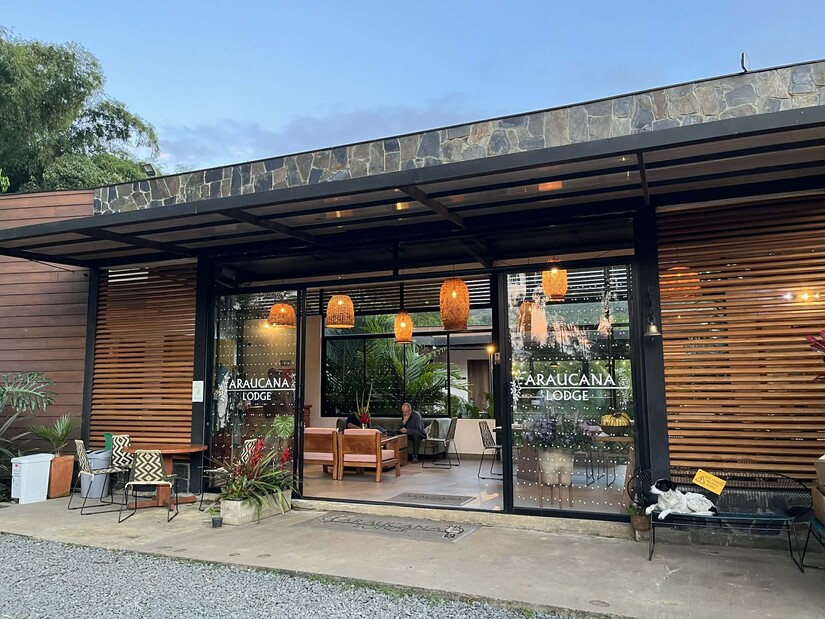
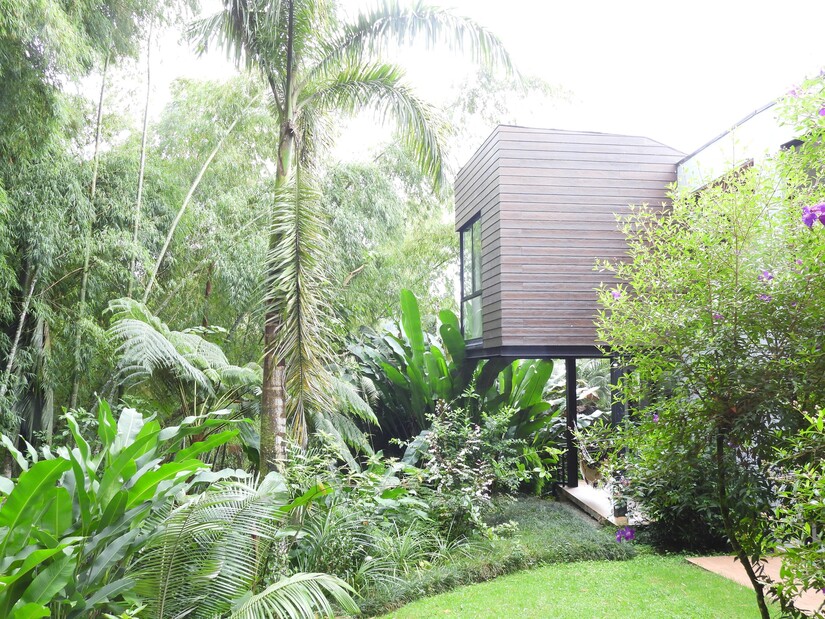
The lodge itself seems to shrink into its rainforest surroundings. The entrance is low-slung and very airy and open, with inside gardens. Even when inside, you feel outside. Rooms cantilever out into the rainforest and huge glass windows allow you to see spectacular birds from your bed.
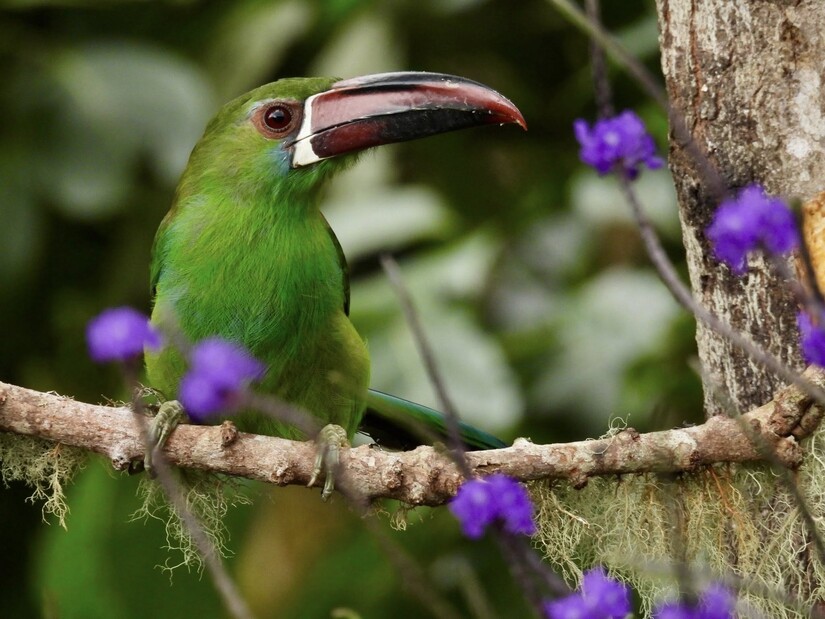
Over 200 species are routinely seen around the lodge. A crowd-favorite is the crimson-rumped toucanet.
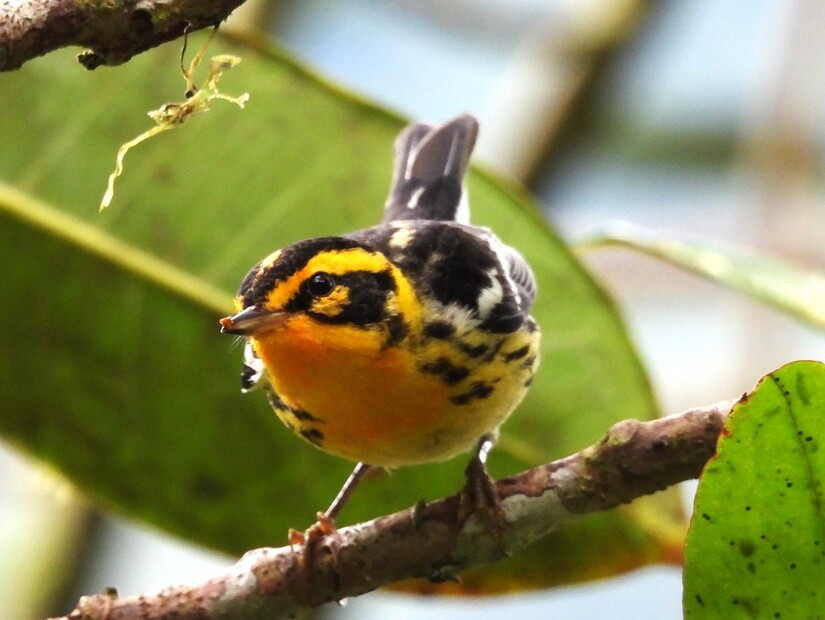
We would wake up in the morning to vibrant and brilliant songbirds like this blackburnian warbler calling from our patio.
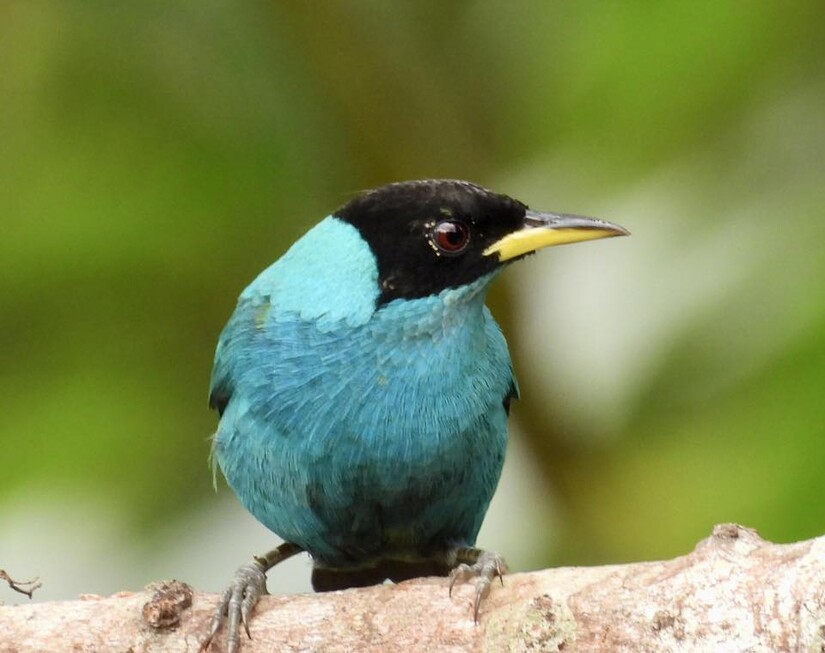
Green honeycreepers buzzed around like oversized hummingbirds.
The lodge is noted for its dining. Virtually all food (with the exceptions of meats) is grown organically on the premises. Fruit trees offer the freshest breakfast treats, and morning coffee is brewed from beans grown on its 850-tree coffee farm. A mile-long hiking trail stretches to far-flung nooks on lodge grounds, and passes through an ancient bamboo forest. One could easily spend a week never leaving the lodge grounds, but daily excursions took us to Colombia’s most productive birding preserves.
2 - Birding Can Be High Adventure
A few excursions certainly stoked our sense of adventure. We visited San Cipriano, a remote village in the middle of the rainforest, far removed from any road system. To get there, we drove two hours through the coastal mountains and parked along the highway. We walked across a high suspension bridge over the Danubio River.
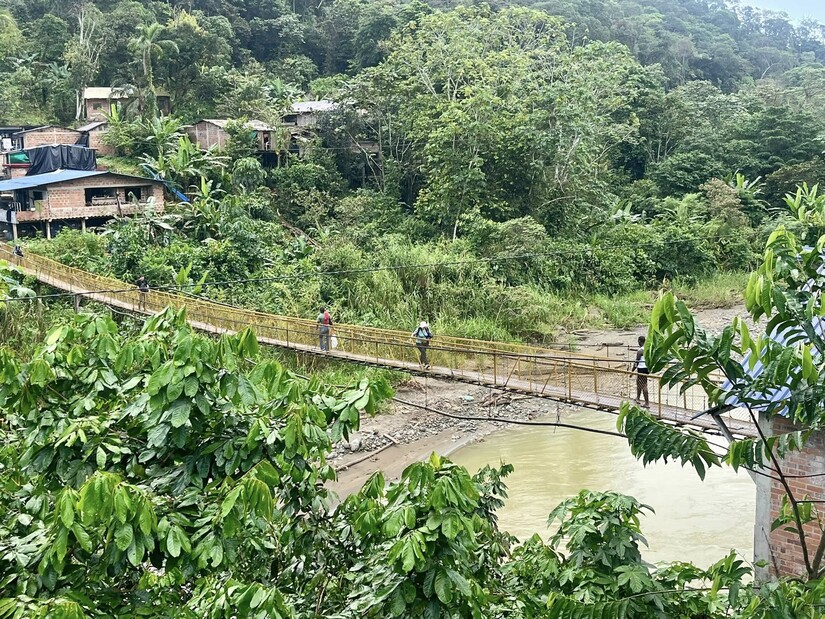
The only transport to the village was via an old relic train rail slicing through the jungle from the highway. We sat on an unusual contraption that under no circumstances would pass safety inspections in America. Locals essentially take a large wooden plank, attach four train wheels to the bottom, anchor a few benches on top, and then use old motorcycles to locomote the contraption down the rail. The ride is about 30 minutes through the rainforest, and travels up to about 30 miles per hour. It goes through narrow tunnels and along steep riverbanks. For sheer excitement, roller coasters have nothing on this unique transport mode.
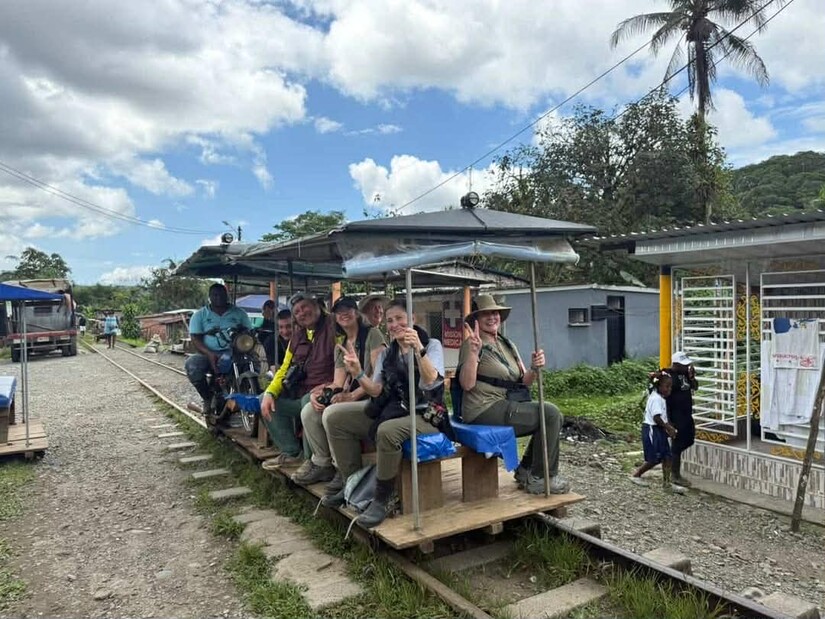
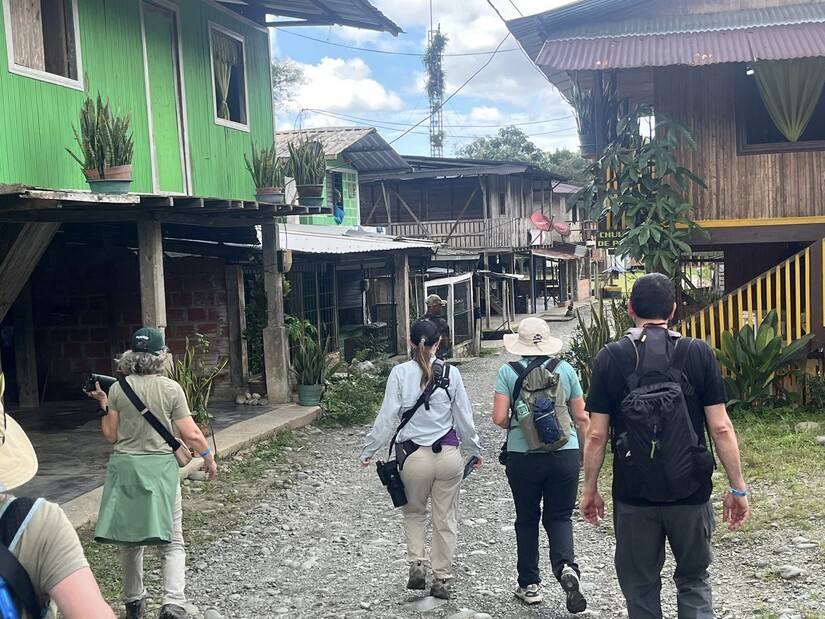
At the terminus was San Cipriano. We birded through the impoverished village, looking for toucans and trogons. The locals were friendly and the kids curious.
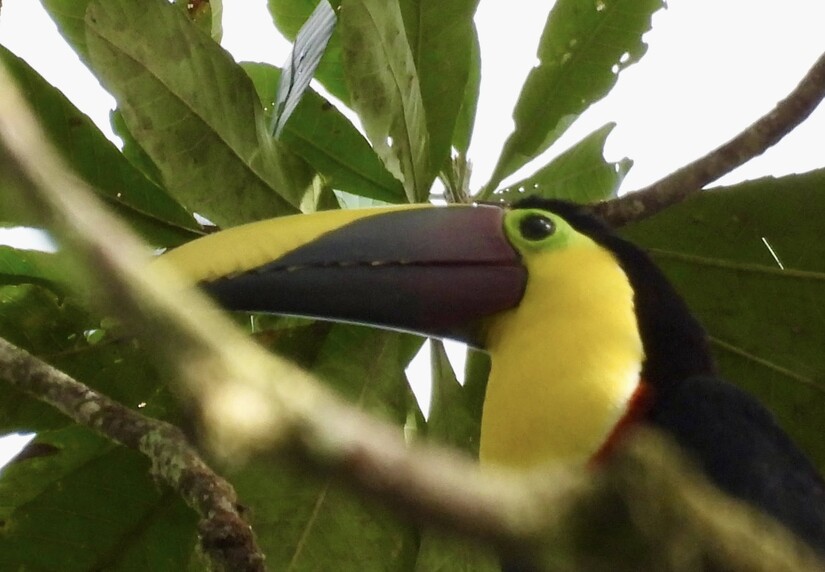
In the village we saw a few choco toucans.
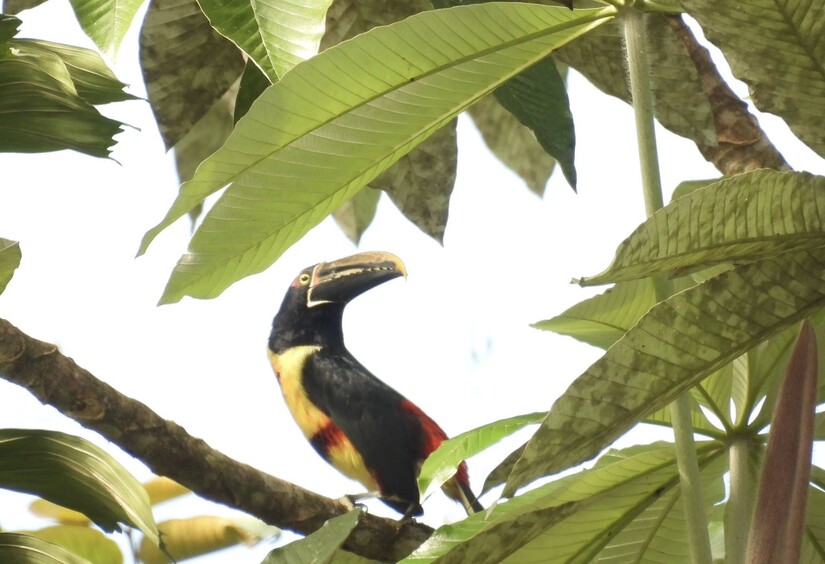
We also had a great look at a collared aracari.
We hiked deep into the rainforest and along gin-clear streams.
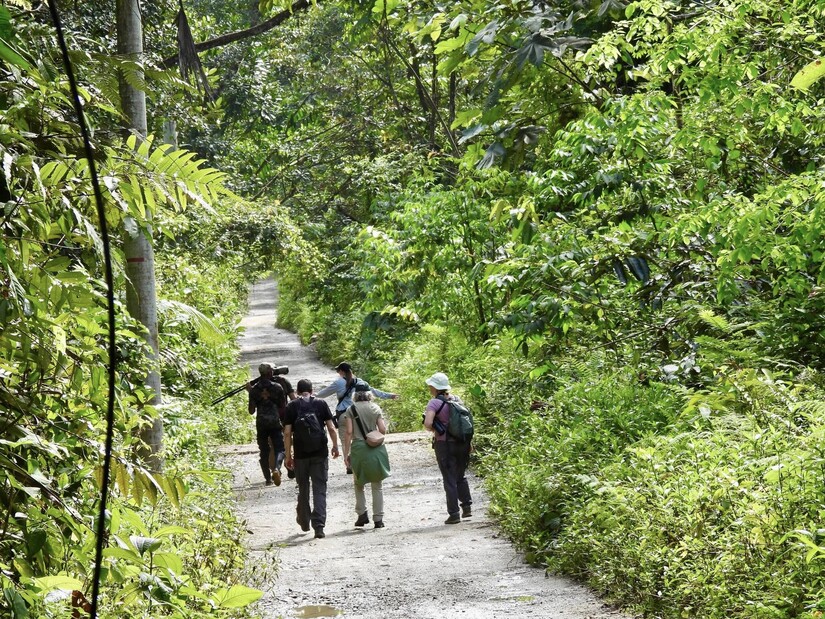
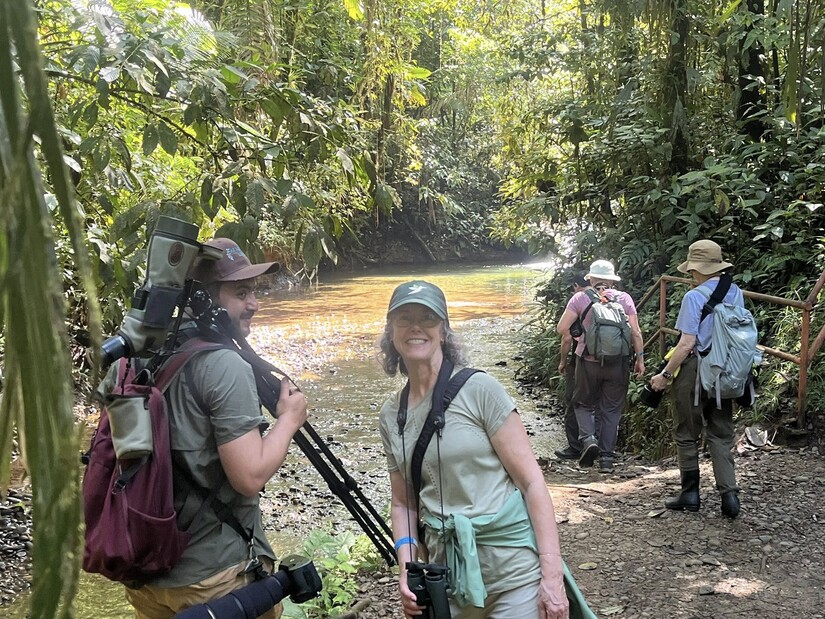
It proved my favorite day of the trip, immersing us in local culture and such unique beauty.
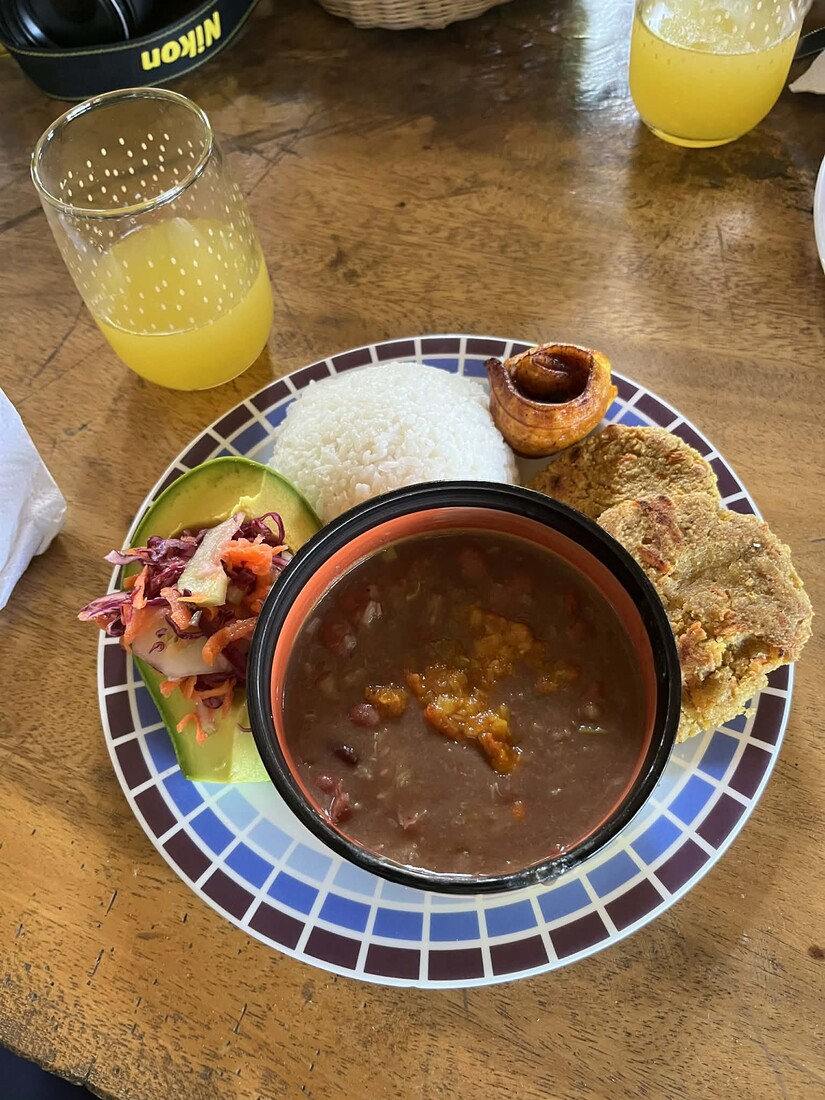
Another unexpected but delightful excursion, later in the week, had us boarding flatboats and birding the riverfront rainforest ecosystem. It revealed a unique perspective of Colombia’s immense beauty. At one point, we disembarked for a riverside lunch in a thatch-roofed pavilion. The bean soup, chick pea patties, rice, avocado salad, and fresh juice were made even tastier by the verdant waterfront setting.
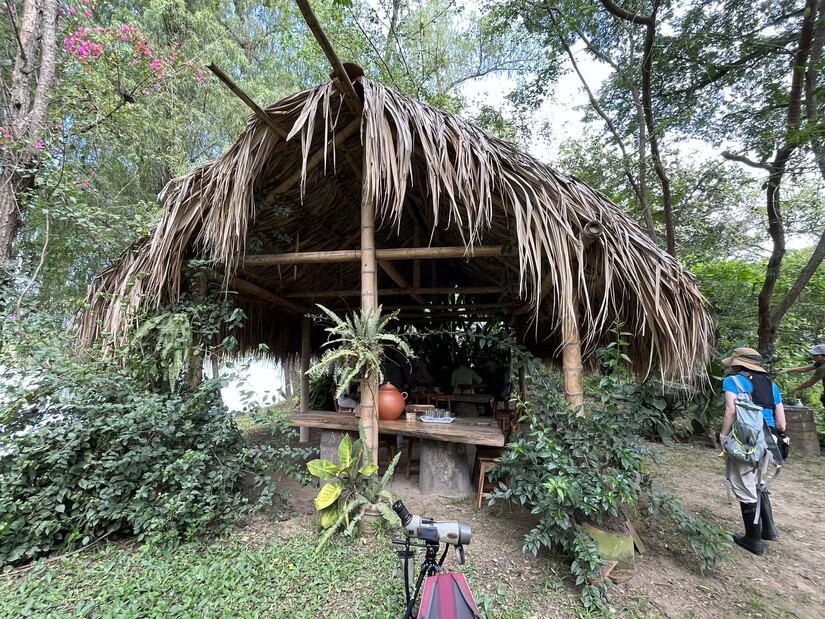
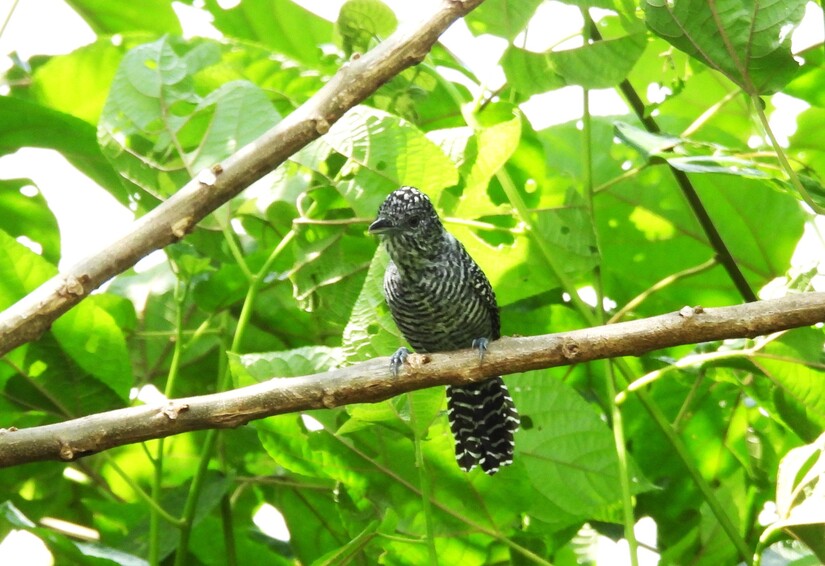
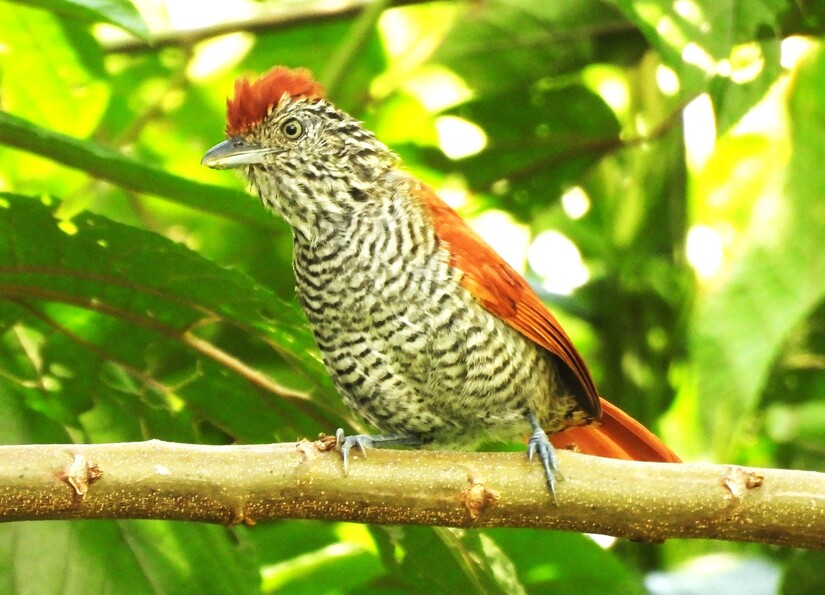
Before returning, we birded the grounds and found two gems - the rarely seen male and female bar-crested antshrike.
3 - Tanagers and Barbets for the Win
Trying to choose your favorite bird in Colombia is like trying to pick your favorite M&M. It’s the one immediately in front of you. But no groups of birds are more resplendent, and splash more color around the cloud forest, than the tanagers and the barbets. Here are a sampling of the ones we observed:
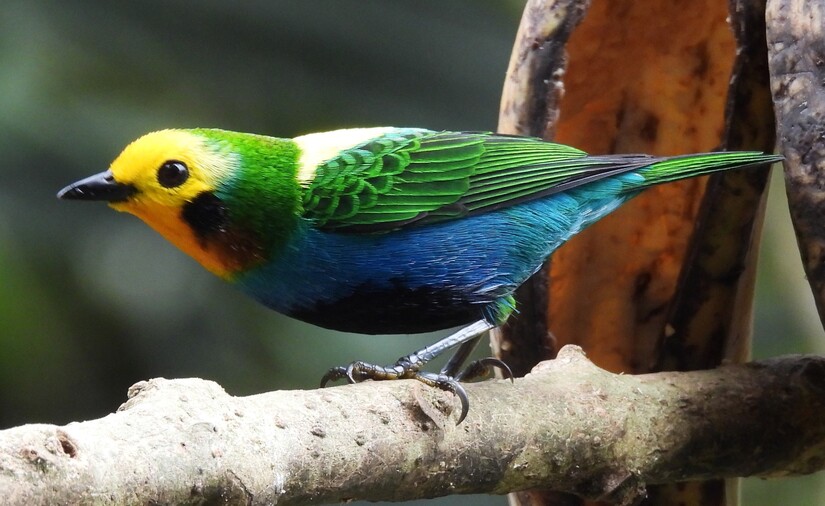
Multi-colored tanager
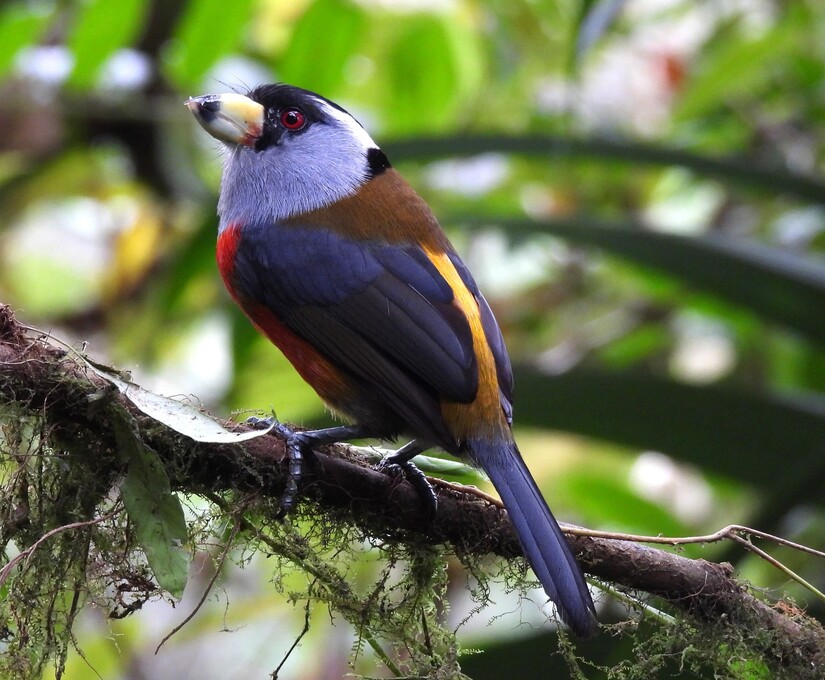
Toucan barbet
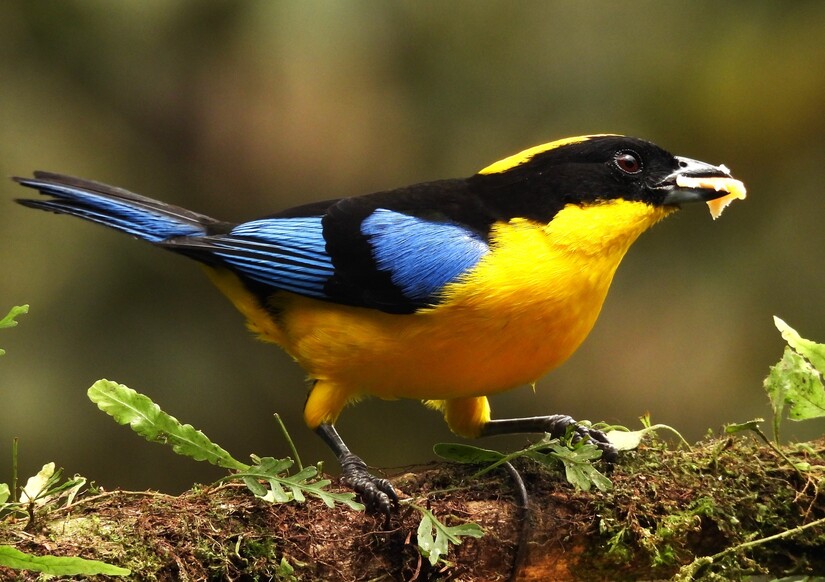
Blue-winged mountain tanager
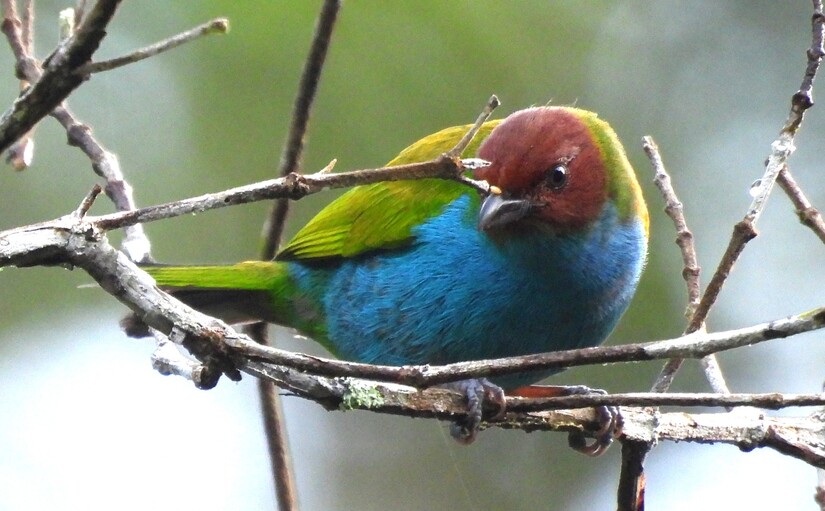
Bay-headed tanager
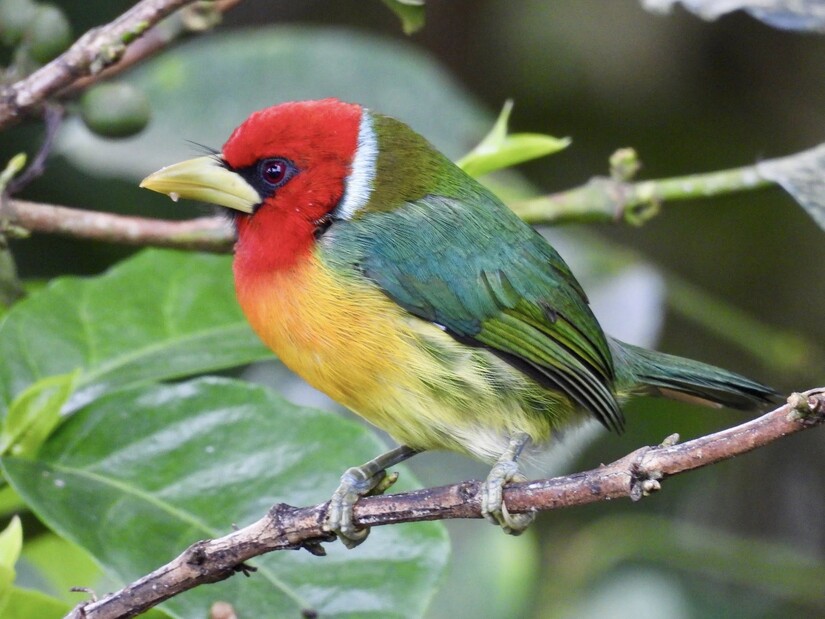
Red-headed barbet
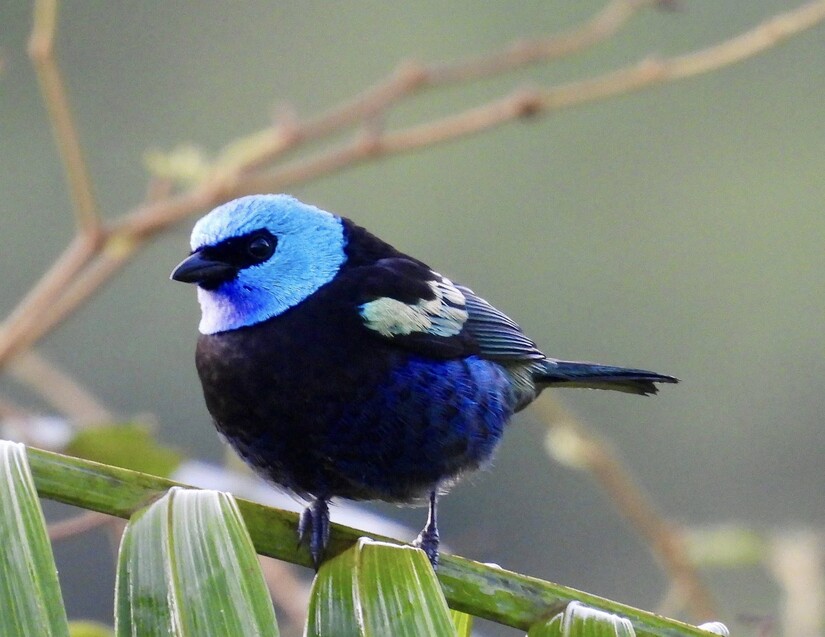
Blue-necked tanager
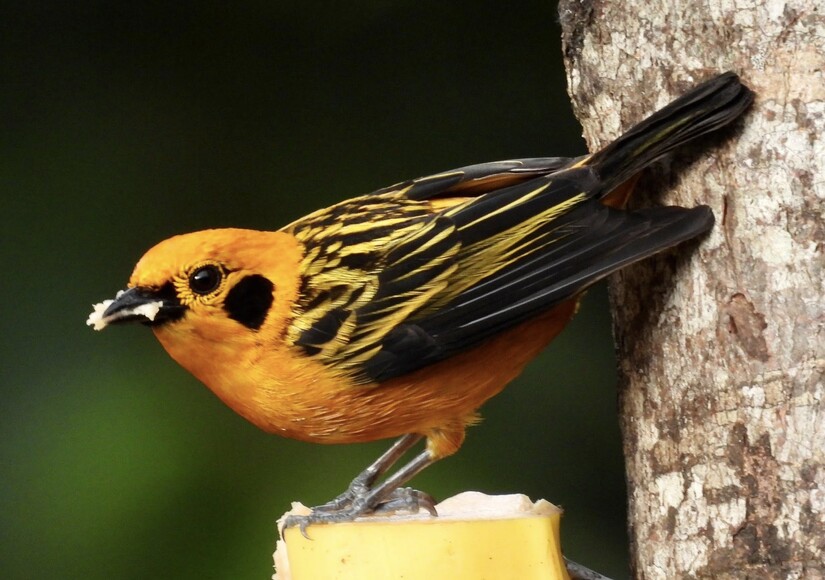
Golden tanager
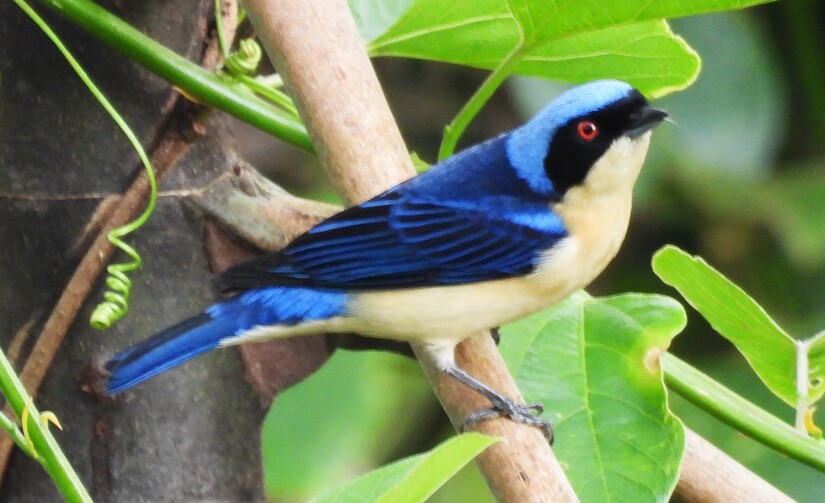
Fawn-breasted tanager
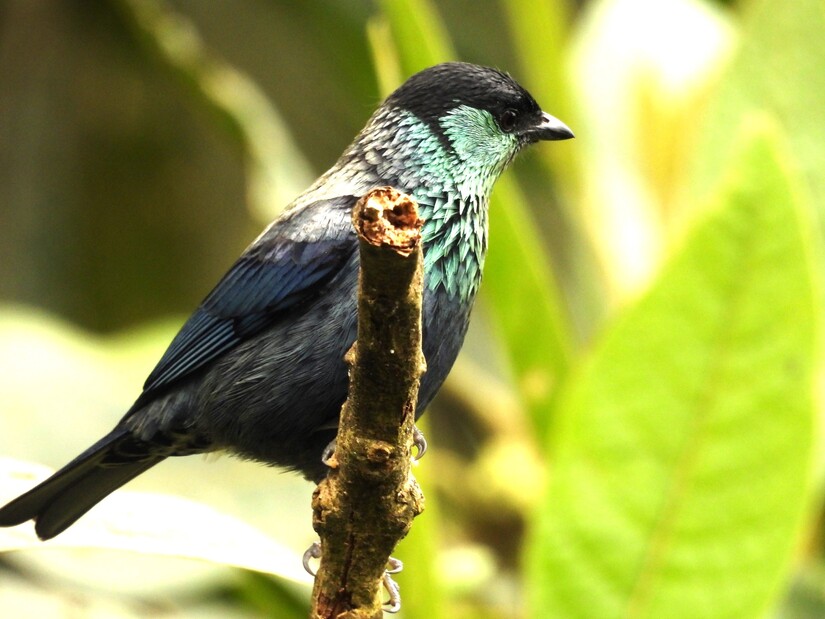
Black-capped tanager
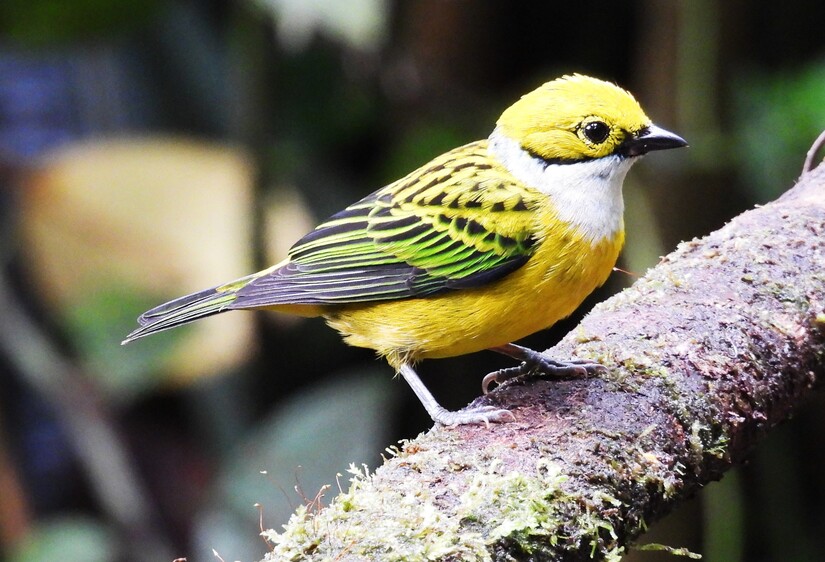
Silver-throated tanager
4 - Hummingbirds Never Disappoint
In the eastern United States, we generally only see one species of hummingbird - the ruby-throated hummingbird. In Colombia, you have the ability to see 165 different species. Much like tanagers, every crayola color in the box is represented. Here is a sampling of ones that we were fortunate enough to observe:
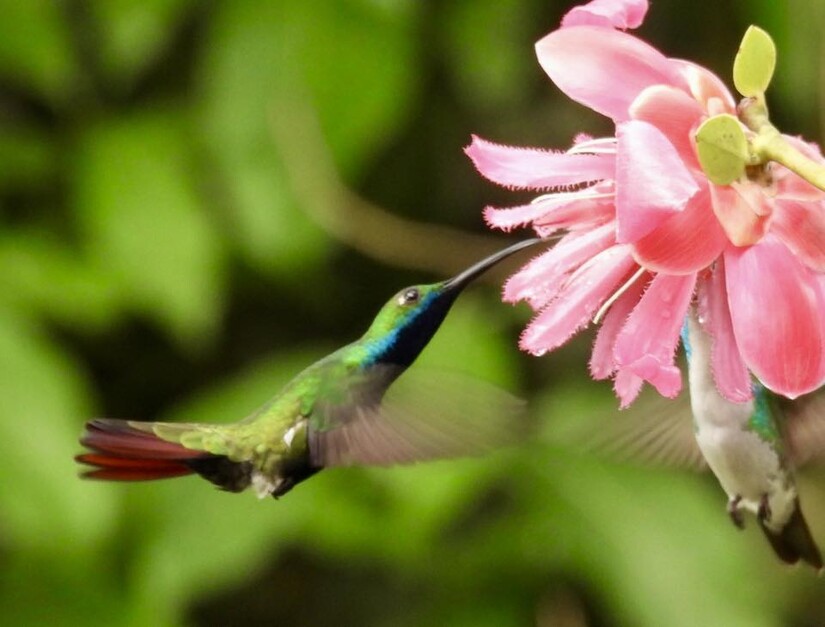
Black-throated mango (male)
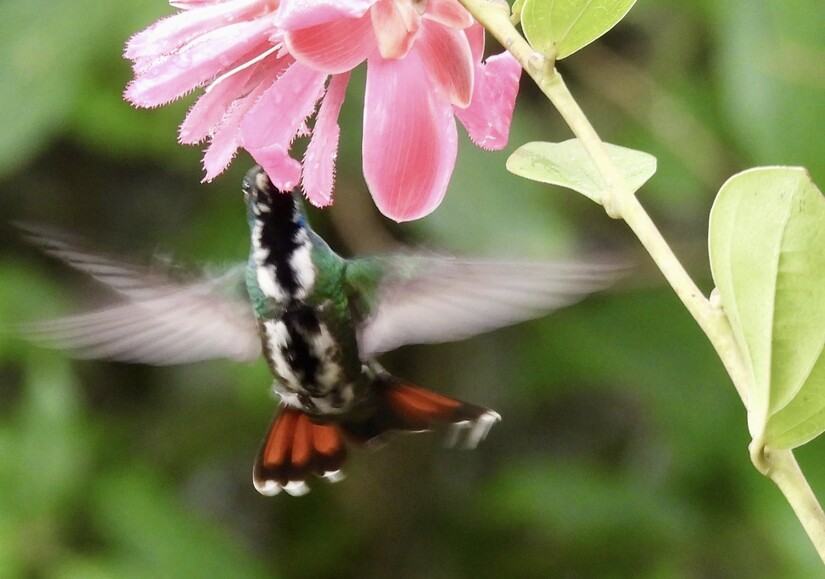
Black-throated mango (female)
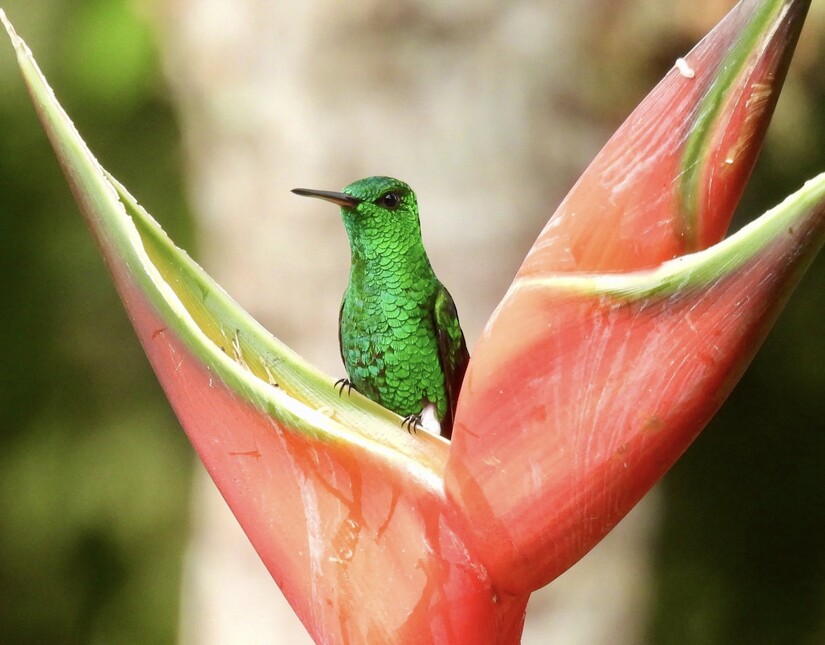
Steely-vented hummingbird
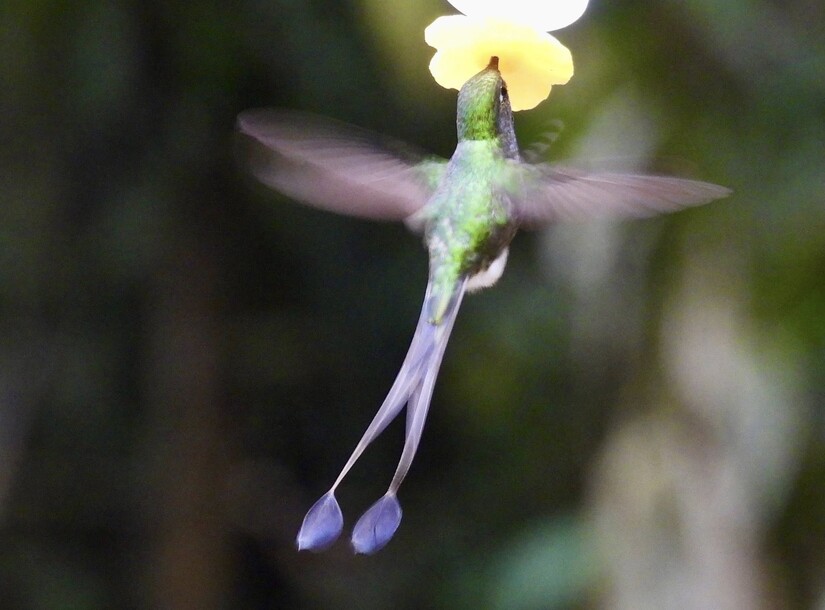
White-booted racket-tail
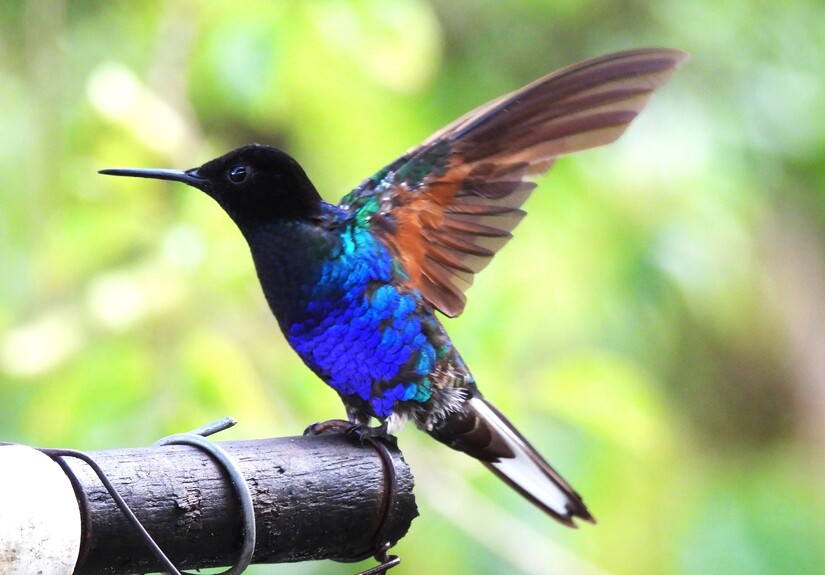
Velvet-purple coronet
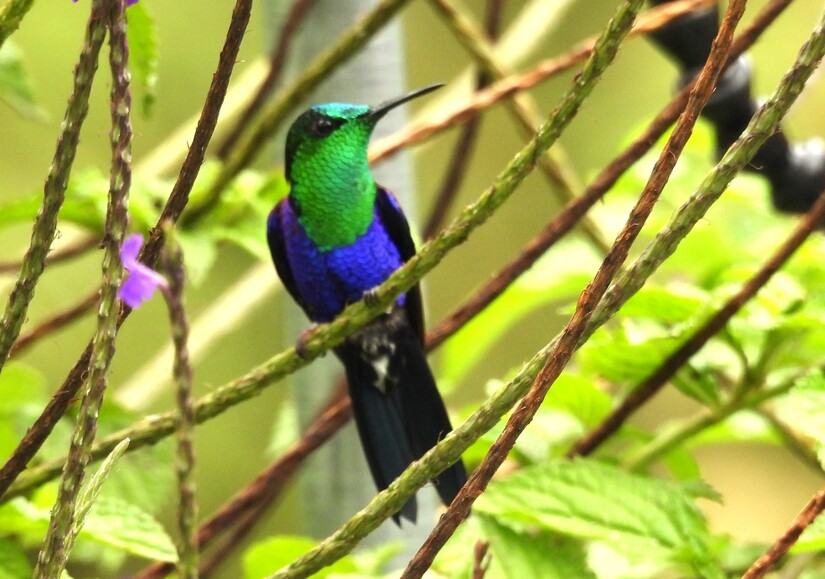
Crowned woodnymph
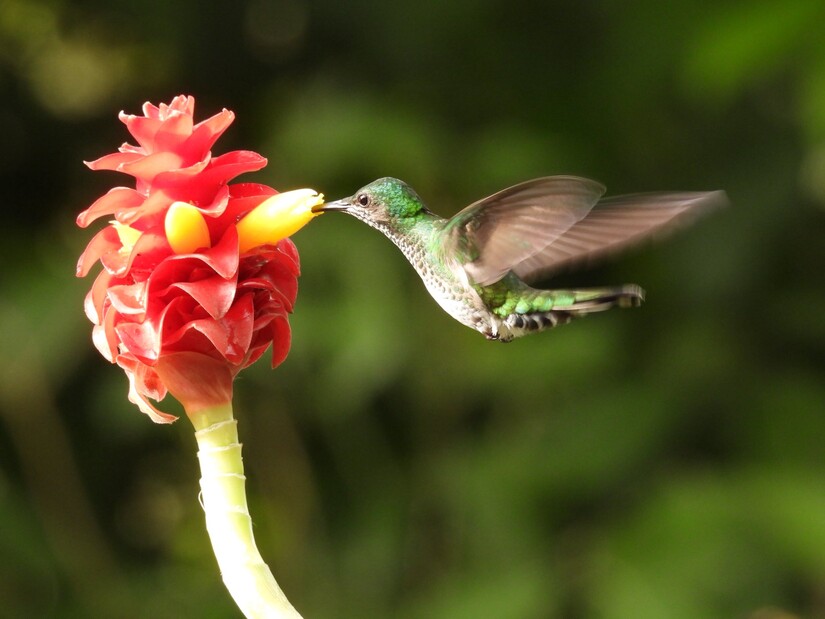
White-necked jacobin
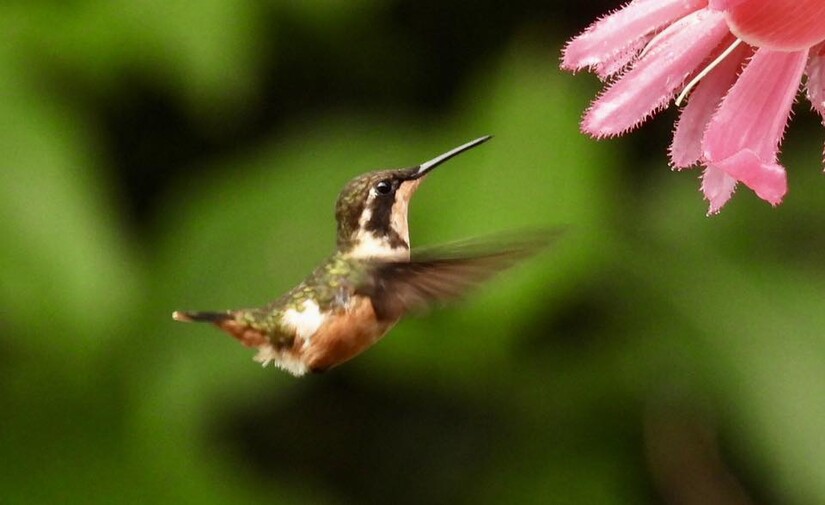
Purple-throated woodstar
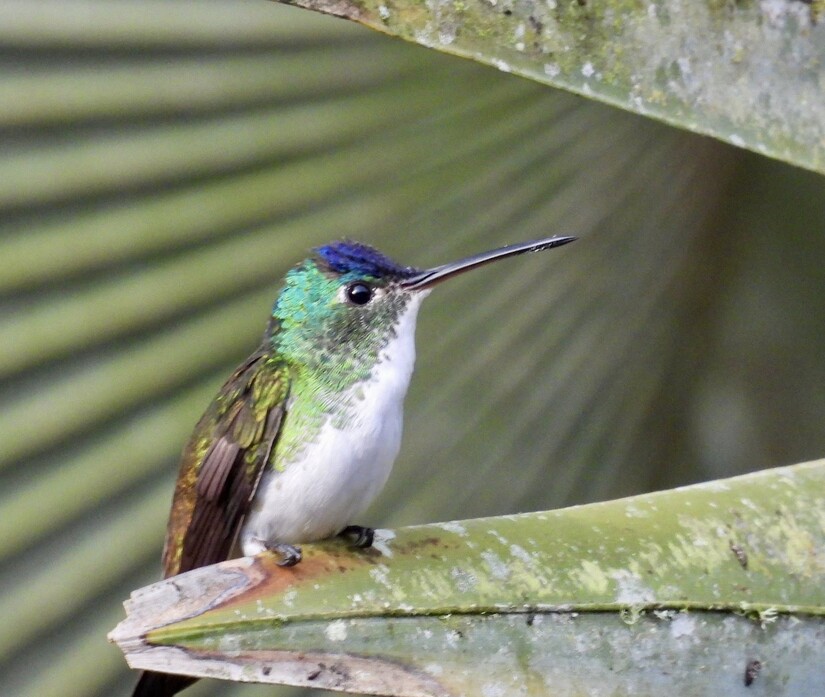
Andean emerald
5 - No Doubt Who the Star of the Show Was
They say the harder you work to see a bird, the more you appreciate that bird. Indeed, our most appreciated bird on our Colombia excursion was also one of the rarest, the most beautiful, and the oddest-looking bird friends of the week. It was the Andean Cock-of-the-Rock. Its bright red body flashes through the thick jungle vegetation like road flares, and its oblong head crest makes you question its evolutionary disposition.
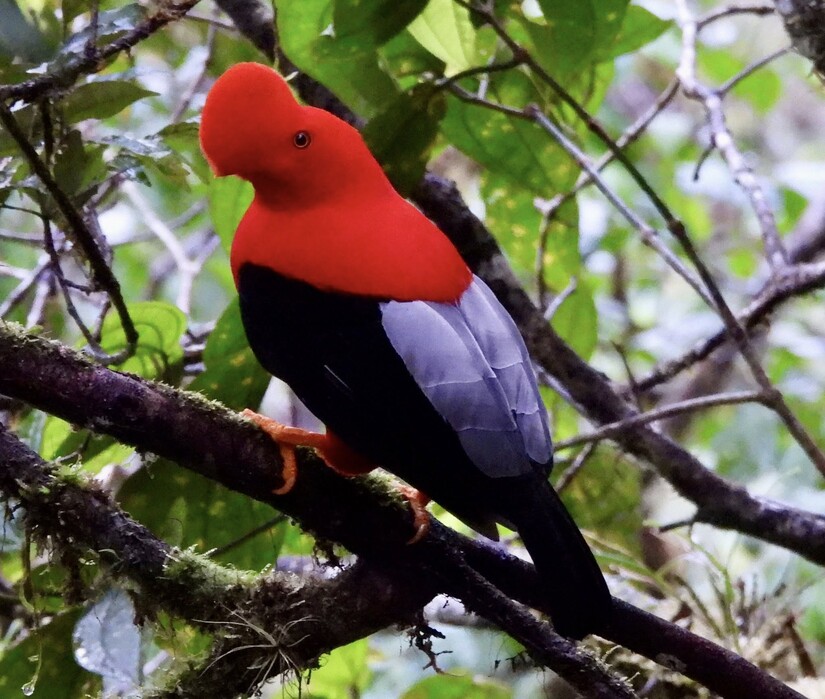
Our journey to see the Cock-of-the-Rock was challenging on multiple levels. We arose at 4am and drove for over an hour down windy, bumpy rural roads into a remote rainforest. We disembarked from the van and hiked in the dark down a steep and muddy trail through thick vegetation, guided only by headlamps. We dropped about 1,000 vertical feet over 30 minutes, and relied on rope supports to get us down the steeper and muddier sections. We arrived at a tiny viewing blind that was located near what is called a “lek.”
A lek is where the male species of the Andean Cock-of-the-Rock converge, almost inexplicably, every morning at sun-up for about five minutes. They arrive together and, for whatever reason, exert their masculinity. They squawk and spar and flap their wings, oblivious to the fact that we are mere feet away observing. After a few minutes, they calm down, take a few breaths, and disappear back into the thicket for the rest of the day. Their beefs with each other did not appear to be resolved.
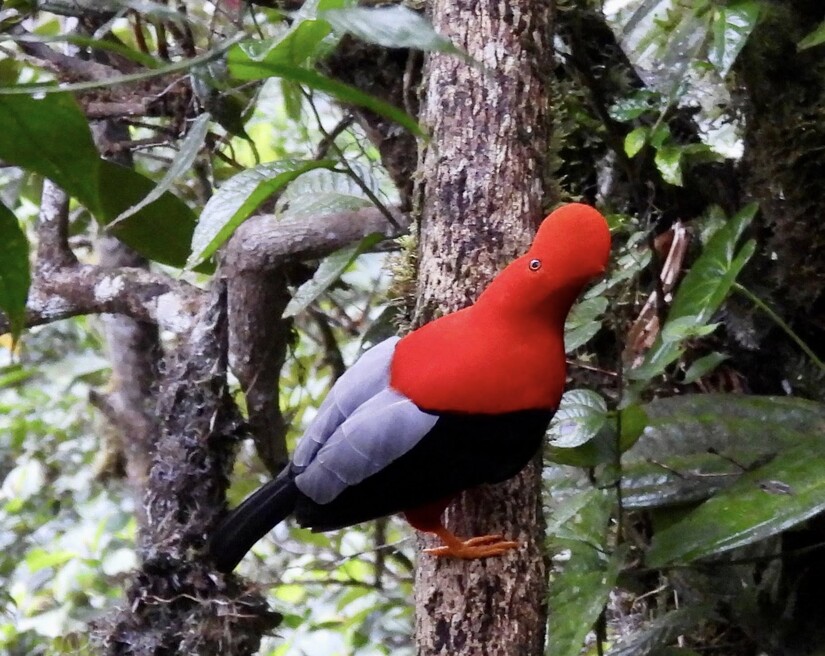
The rarity and beauty of the rare Cock-of-the-Rock, coupled with seeing this unique mating ritual in such a heavenly location, was this highlight of my week. The strenuous hike back up the slick mountainside was worth every breath and slip. This experience alone made our visit to Colombia worthwhile.
* Mike Strzelecki is a freelance travel and outdoor writer, and 1981 graduate of Boyertown Area Senior High School. He writes from his house in Baltimore, Maryland. In his spare time, he joins his wife on adventures around the country observing and photographing birds.



Overcast, with a high of 69 and low of 51 degrees. Overcast in the morning,