Image



by Lesley Misko
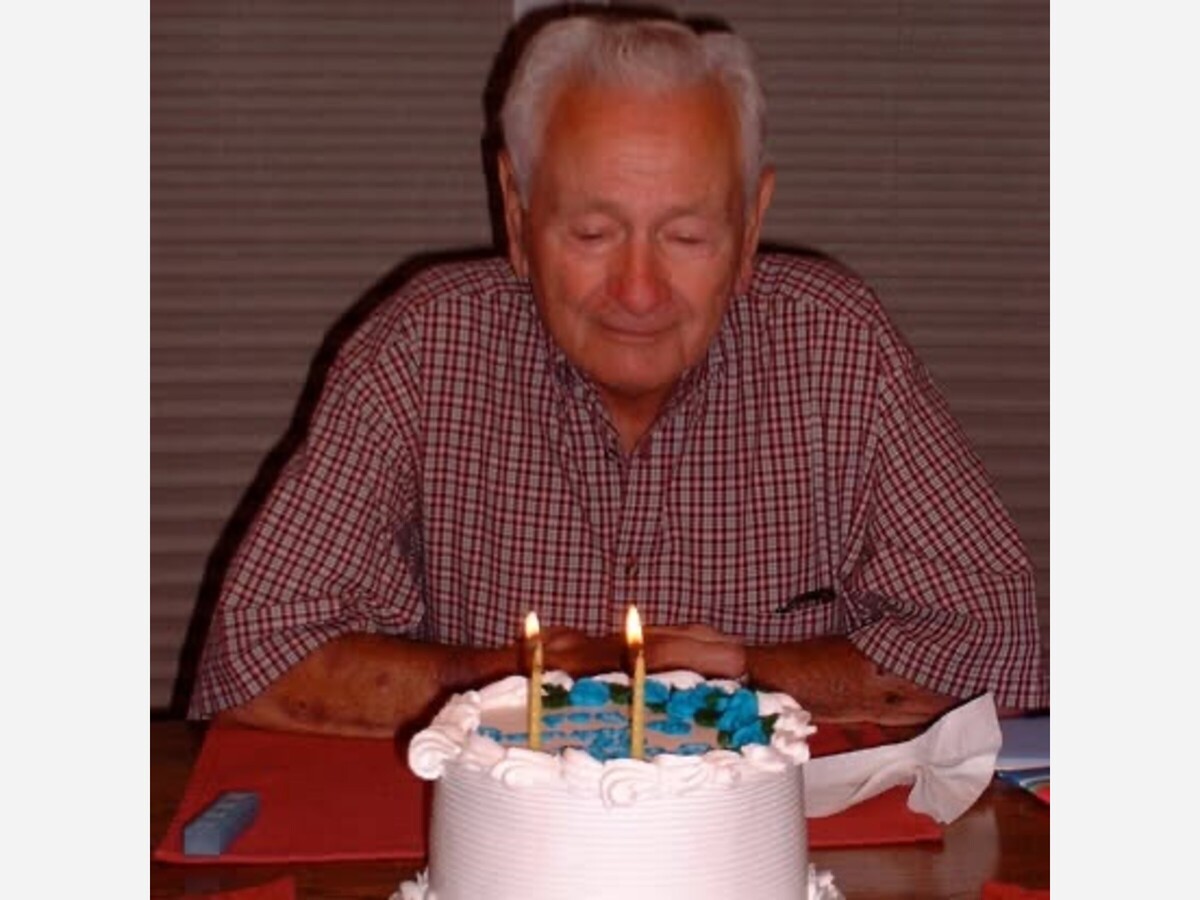
The poems below are two of my favorites. They share a simple writing style that makes it easy to understand their common theme: only when children become adults are they capable of understanding the sacrifices their parents made for them because of their love for them and responsibility to them. The poems cause me to recall the many gracious acts of sacrifice that my father made for me.
There are so many gentle and caring things he did for me. No fan fair, no quest for recognition. Just because he loved me. Just because he was a good person. The lanyard always resonated for me because as a camp counselor, we were forever making them… And popsicle stick boxes… And gifting them to our parents, who, in some cases, fussed over them, and in other cases, rolled their eyes.
Those Winter Sundays
By Robert Hayden
Sundays too my father got up early
and put his clothes on in the blueblack cold,
then with cracked hands that ached
from labor in the weekday weather made
banked fires blaze. No one ever thanked him.
I’d wake and hear the cold splintering, breaking.
When the rooms were warm, he’d call,
and slowly I would rise and dress,
fearing the chronic angers of that house.
Speaking indifferently to him,
who had driven out the cold
and polished my good shoes as well.
What did I know, what did I know
of love’s austere and lonely offices?
African American poet who lived from 1913- 1980 You can hear the poem read his poem here: https://www.youtube.com/watch?v=XmJYs6PQKVc
The Lanyard
The other day I was ricocheting slowly
off the blue walls of this room,
moving as if underwater from typewriter to piano,
from bookshelf to an envelope lying on the floor,
when I found myself in the L section of the dictionary
where my eyes fell upon the word lanyard.
No cookie nibbled by a French novelist
could send one into the past more suddenly—
a past where I sat at a workbench at a camp
by a deep Adirondack lake
learning how to braid long thin plastic strips
into a lanyard, a gift for my mother.
I had never seen anyone use a lanyard
or wear one, if that’s what you did with them,
but that did not keep me from crossing
strand over strand again and again
until I had made a boxy
red and white lanyard for my mother.
She gave me life and milk from her breasts,
and I gave her a lanyard.
She nursed me in many a sick room,
lifted spoons of medicine to my lips,
laid cold face-cloths on my forehead,
and then led me out into the airy light
and taught me to walk and swim,
and I, in turn, presented her with a lanyard.
Here are thousands of meals, she said,
and here is clothing and a good education.
And here is your lanyard, I replied,
which I made with a little help from a counselor.
Here is a breathing body and a beating heart,
strong legs, bones and teeth,
and two clear eyes to read the world, she whispered,
and here, I said, is the lanyard I made at camp.
And here, I wish to say to her now,
is a smaller gift—not the worn truth
that you can never repay your mother,
but the rueful admission that when she took
the two-tone lanyard from my hand,
I was as sure as a boy could be
that this useless, worthless thing I wove
out of boredom would be enough to make us even.
William James Collins (born March 22, 1941) is an American poet who served as the Poet Laureate of the United States from 2001 to 2003. Collins reading the poem: https://www.youtube.com/watch?v=0EjB7rB3sWc
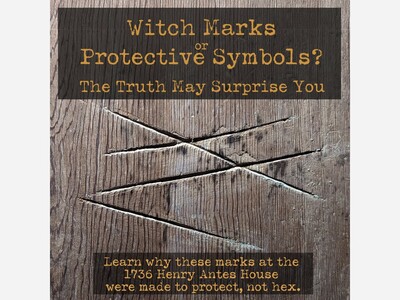
Interesting, Bob. Thanks, but I wonder how that related to people’s probably very strong religiously beliefs back then —-not the fact that there’s evil, but that there’s some kind of symbol that can stop it; that sounds more like witchcraft.

Sunny, with a high of 65 and low of 40 degrees. Sunny in the morning, clear during the afternoon and evening, overcast overnight.