Image
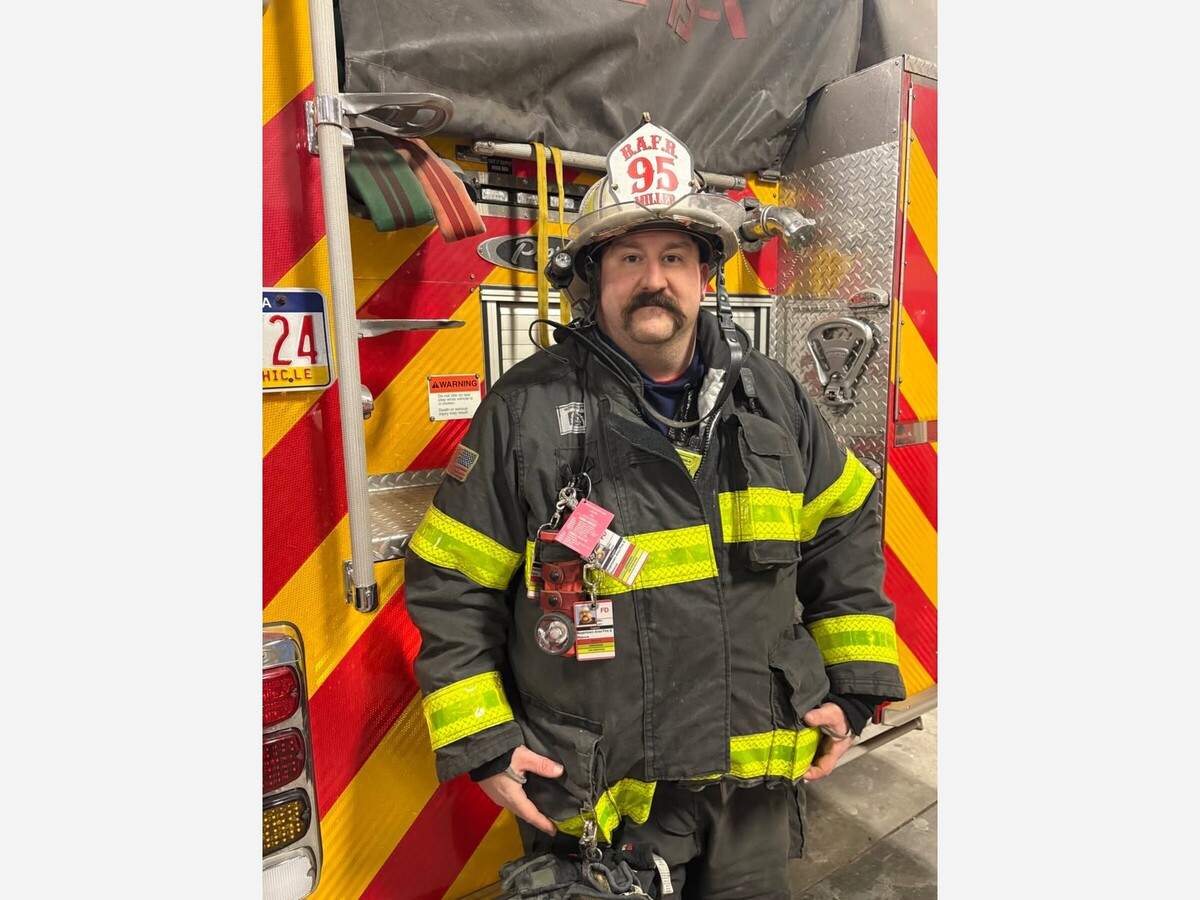



When Jarid Miller learned he had been chosen as the 2026 Boyertown area Outstanding First Responder of the Year, his reaction was immediate— and completely in character.
“I told him to give it to somebody else,” Miller said, recalling the moment he was handed the notification at work. “I’m a behind-the-scenes guy… I prefer to put on the endeavors and take zero recognition,” he explains.
That reluctance to accept the spotlight emphasizes the very qualities that led to his selection. A third-generation volunteer firefighter with Boyertown Area Fire and Rescue, Miller has spent 27 years serving his community—often in high-risk, high-pressure situations where recognition is the last thing on his mind.
In 2026, his name joins a meaningful family history. His father was honored with the same award more than two decades ago, a fact that adds personal importance to an achievement Miller is still reluctant to claim as his own.
“I’ve attended [the ceremony] in the past for people,” he said. “My father won it… I was there last year for Gary’s. I think it’s a neat event… I just don’t feel it should be me.”
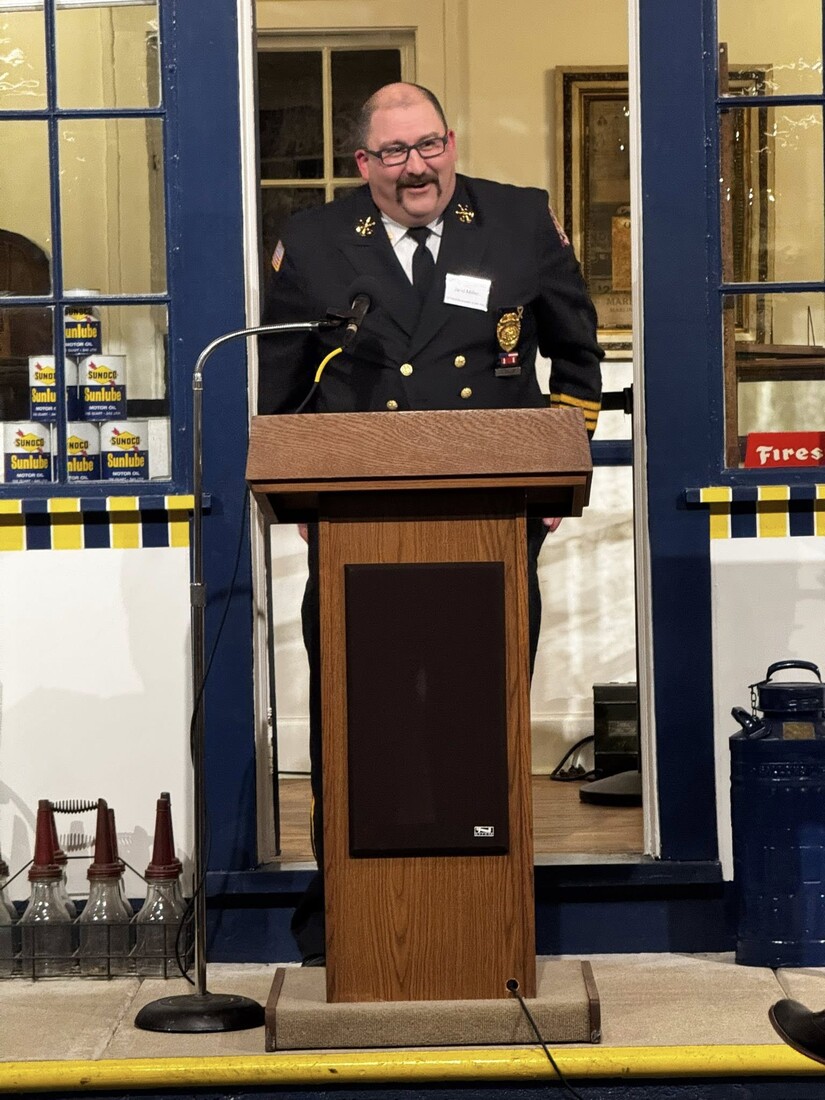
Today, Miller serves as Assistant Chief and Reading Avenue Station Chief, roles that place him at the center of an evolving and increasingly demanding emergency response landscape. When he first joined, the department handled a fraction of the calls it does today.
“It was a lot if we ran 200 calls,” he said. “Now we’re at 200 by March.”
The surge reflects a number of changes—population growth, shifting community needs, and a rise in medical-related calls, particularly from elder care facilities that are newer to the area. But Miller also points to a cultural shift in how people interact with emergency services.
“People no longer can figure things out on their own. They need to call somebody all the time,” he said. “When you call 911 and they don’t know who to send… we joke that they send the fire department—for everything from water in a basement to a cat in a tree.”
At the same time, the number of volunteers has declined sharply.
“We’re very hurting for people right now,” he said.
He attributes that, in part, to modern lifestyles.
“Back in the day, people worked in town, lived in town,” Miller explained. “Now, hardly anybody works in town… they don’t really care to make the time to do it. Let alone do all the training.”
That training is extensive—and ongoing. Firefighting today requires constant adaptation to new building materials, evolving vehicle technologies, and changing safety protocols.
“If you’re not learning, you’re not growing,” Miller said. “And if you’re not growing, you’re behind.”
Balancing those demands with a full-time job and family life is no small feat. Miller works in production control at Campbell Fittings, a role he has held for 15 years, and also contributes to local ambulance services. His employer’s support makes it possible for him— and several other coworkers— to leave work when emergency calls come in.
“We’re fortunate,” he said. “There’s a couple of us that are allowed to leave during the day. Our employer is very understanding… we go to the call, and then we come back. We don't waste time. We don't mess around.”
Even with that flexibility, the pace can be overwhelming.
“Sometimes it’s difficult for my girlfriend and I to know if I’m coming or going,” Miller said.
At home, he is a father, a partner, and very involved in the lives of his children and stepchildren—attending sporting events, recitals, and spending time outdoors whenever possible. Those everyday moments, he suggests, provide an important balance to the intensity of his work.
Because firefighting is, at its core, both physically grueling and emotionally demanding.
“It’s very exhausting,” he said. “Especially when it’s 100 degrees or 10 degrees… you’ve got 50 pounds of gear on plus an air pack, and then you’re doing work inside of a burning building.”
And the danger is real.
“There’s times where I admit, I’m on borrowed time that I shouldn’t have come back from,” Miller said.
Yet fear, he explained, is not something to eliminate—but something to manage.“You have to have a little bit of fear because if you don’t, you don’t respect it,” he said. “As soon as you don’t respect it, something bad could really happen.”
Instead, firefighters rely on preparation and instinct. “You have to bottle all that up and just lean into your training,” Miller said.
For all the challenges, it is the human side of the work that is most meaningful. Miller speaks with particular pride about community initiatives— moments when the fire company can bring comfort and connection outside of emergencies.
He organizes the department’s annual Santa run and helped coordinate a special parade for a young Boyertown boy diagnosed with brain cancer.
“Those kinds of things I thoroughly enjoy doing,” he said. “It’s a ton of work… but that’s definitely the most rewarding.”
That sense of purpose traces back to his earliest influences.
“I’m a third-generation firefighter,” Miller said. “It was always something I dreamed of doing… I always felt like I was home when I was at the firehouse or on a call.”
It’s also what shapes his advice to anyone considering following a similar path.
“Make sure your heart is in it,” he said. “It’s very rewarding, but it’s a lot of work. You have to be willing to put in the work.”
Looking ahead, Miller is realistic about the future of volunteer fire service, predicting that many communities may eventually need to transition to paid, countywide systems as volunteer numbers continue to decline. “People are going to have to pay taxes for that service,” he said. “That money’s going to have to come from somewhere.”
Still, for now, he remains committed to the model that shaped him—and to the community that continues to rely on it.
“We do it for the people,” Miller said. “The people need help and someone has to answer that call.”
It’s a simple statement, but one that captures nearly three decades of service.
And while Jarid Miller may never fully embrace the recognition that comes with being named Boyertown’s Outstanding First Responder of the Year, his story makes clear why others believe he deserves it.

Interesting, Bob. Thanks, but I wonder how that related to people’s probably very strong religiously beliefs back then —-not the fact that there’s evil, but that there’s some kind of symbol that can stop it; that sounds more like witchcraft.


Sunny, with a high of 65 and low of 40 degrees. Sunny in the morning, clear during the afternoon and evening, overcast overnight.