Image




by Jane Stahl
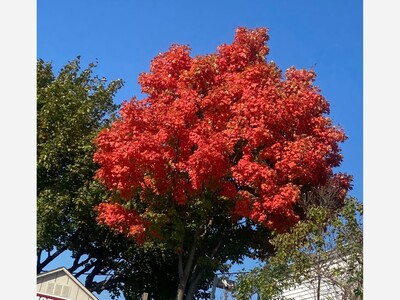
Ezra Pound, an American poet who settled in London gave the Imagist movement its name and defined its chief principals: (1) direct concentration of the "image"--the thing itself (2) common speech (3) creation of new rhythms (4) complete freedom in the choice of subject.
He defined the image as "an intellectual and emotional complex presented in an instant of time." Poets were challenged to seek "complex" thoughts and feelings in a single moment. It's not haiku, but close in its compression.
William Carlos Williams' poem is my favorite.
The Red Wheelbarrow
~ William Carlos Williams
so much depends
upon
a red wheel
barrow
beside the white
chickens.

Sunny, with a high of 63 and low of 48 degrees. Sunny in the morning, cloudy in the afternoon and evening, clear overnight.

Not badly done for a former journalism teacher and school newspaper advisor. Thank G_d there was no need for collating or paste-ups.


Interesting, Bob. Thanks, but I wonder how that related to people’s probably very strong religiously beliefs back then —-not the fact that there’s evil, but that there’s some kind of symbol that can stop it; that sounds more like witchcraft.
Religion and superstition have always co-existed. For an example, see any devout Christian in the area who also has a "lucky" Eagles jersey, or believes that wearing their baseball cap inside out will help a rally keep going...