Image

From Instagram
As the sun set Friday evening, Jewish people around the world began welcoming a new year — 5787 -- on the Hebrew calendar.
For Jewish Americans this year, Rosh Hashanah arrives on a date that carries another profound meaning. Friday marked the 25th anniversary of the Sept. 11, 2001, terrorist attacks, when nearly 3,000 people were killed at the World Trade Center, the Pentagon, and aboard the hijacked flights.
The coincidence of the two observances offers an emotional opportunity to reflect on memory, loss, and renewal — on honoring the past... while looking toward the future.
Rosh Hashanah, meaning “head of the year,” is the Jewish New Year. It begins the Jewish High Holy Days, a period of reflection that culminates 10 days later with Yom Kippur, the Day of Atonement.
Rather than just marking the start of a new year, Rosh Hashanah encourages people to look honestly at the year that has passed and consider how they might do better in the year ahead. It is a time for reflection, repentance, forgiveness, and making amends.
At the center of that process is teshuvah, often translated as repentance but also understood as “return” — a return to one's better self and to the values that should guide one's life.
These themes are meaningful beyond the Jewish community, particularly as the holiday begins on the anniversary of one of the darkest days in American history.

Twenty-five years after the attacks, Sept. 11 remains a day to remember those who were lost and to reflect on what has happened since. For younger Americans, the attacks are something they know through history rather than personal memory, making the act of remembrance all the more important.
Rosh Hashanah reminds those observing it that remembering the past is not the same as being defined by it. The holiday also carries a message of hope. A new year provides an opportunity to start again, to make changes and to consider what each person can do to make life better for themselves and for others.
For those observing Rosh Hashanah, the holiday began Friday evening with prayers, the lighting of holiday candles and gatherings with family and friends. During synagogue services, one of the best-known traditions is the sounding of the shofar, a ram's horn whose blasts serve as a spiritual wake-up call, urging worshippers toward reflection and renewal.
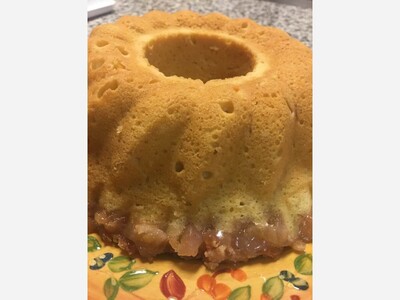
Food is an important part of the celebration as well. Apples dipped in honey symbolize the hope for a sweet new year, while other traditional foods vary among families and Jewish communities. And there is a simple greeting that captures the spirit of the holiday: “Shanah tovah,” meaning “good year.” People may also wish one another a Shanah tovah u'metukah — a good and sweet year.

The beginning of 5787 cannot erase the tragedies of the past 25 years, just as remembering Sept. 11 cannot change what happened that day.
But both remembrance and renewal ask us to consider what we carry forward.
As Jewish families and communities celebrate the new year's arrival, they do so with hopes for peace and health, happiness and a sweet year ahead.
And on a day when America is remembering profound loss, the arrival of a new year offers a fitting reminder: the future is still ours to shape.


Interesting, Bob. Thanks, but I wonder how that related to people’s probably very strong religiously beliefs back then —-not the fact that there’s evil, but that there’s some kind of symbol that can stop it; that sounds more like witchcraft.

Sunny, with a high of 65 and low of 40 degrees. Sunny in the morning, clear in the afternoon and evening, overcast overnight.