57° and Overcast
Image



by Jane Stahl
The Romantic movement isn't about the kind of romance involving couples' relationships. "Romance" as it is known in the movement is found in the tales of knightly adventures written in the French derivative of the original Roman (or romance) language, Latin. (The tales did often include amorous encounters between a knight and is lady.)
Romanticism in literature, popular in the early 19th century, began with the publication of a book of poetry, Lyrical Ballads, authored by William Wordsworth and Samuel Taylor Coleridge. The Romantic Age uses the word romantic in its older sense. It refers to "rich imaginative activity" and often characterized by emotion, the value of the individual (vs society as a whole), freedom, medieval subjects, and a love of nature.
Wordsworth's work inspired me. He was particularly insistent on writing in the "real language of men," selected by the poet, "men in a state of vivid sensation" about "incidents and situations from common life," considered fertile soil of the "essential passions of the heart."
His "Lines Composed a Few Miles Above Tintern Abbey" is considered one of the finest expressions in English poetry of the power and value of the natural world--nature as it affects the human mind and personality.
The poem is long, but the lines that resonated powerfully with me exemplify his perspective. Being in nature, Wordsworth finds "sensations sweet" that inspire" little, nameless, unremembered acts/Of kindness and of love." Nature inspires him--and me--not just in grand panoramas, but the "little things" as illustrated in his Lucy Poems.
She Dwelt Among the Untrodden Ways
~William Wordsworth
She dwelt among the untrodden ways
Beside the springs of Dove,
A maid whom there were none to praise
And very few to love.
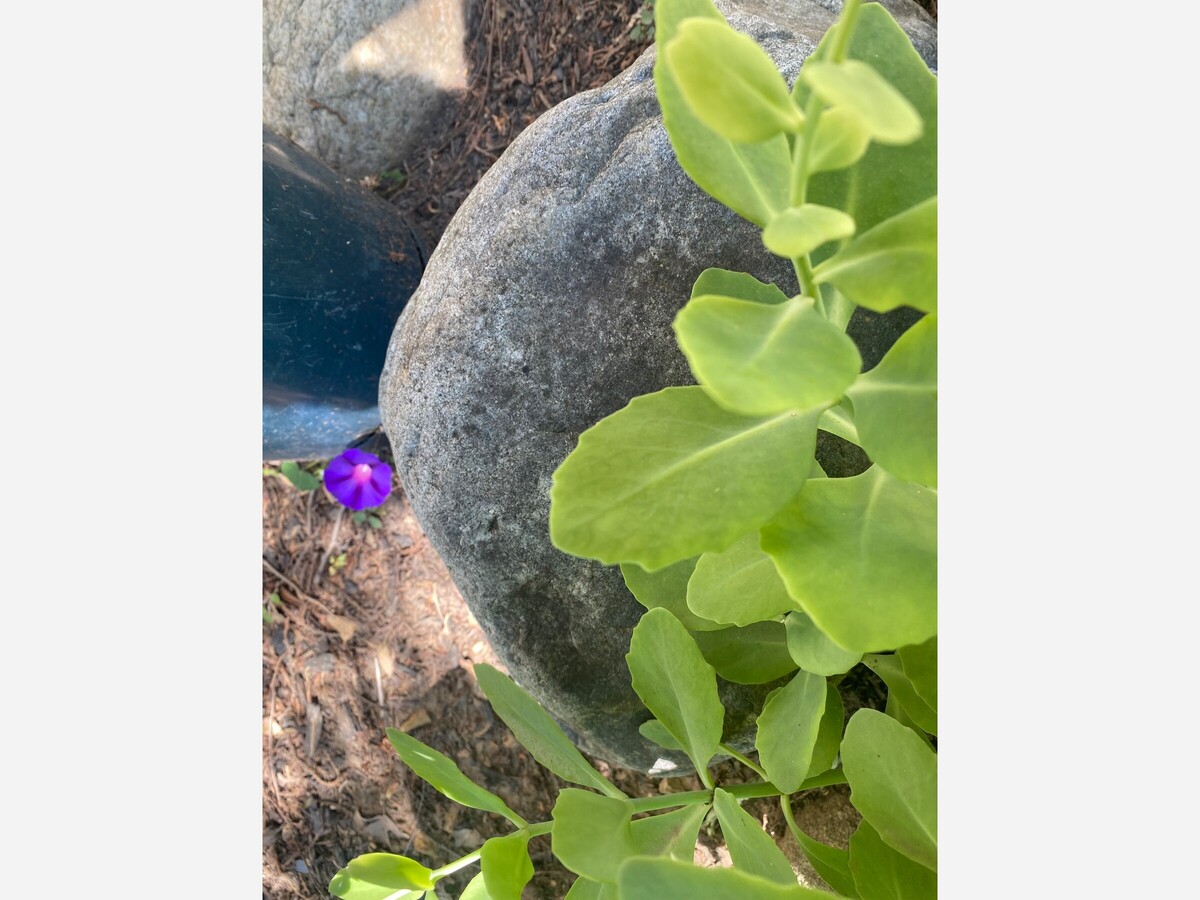
A violet by a mossy stone
Half hidden from the eye!
--Fair as a star, when only one
Is shining in the sky.
She lived unknown, and few could know
When Lucy ceased to be;
But she is in her grave, and, oh,
The difference to me.


Sunny, with a high of 70 and low of 49 degrees. Sunny in the morning, overcast in the afternoon, clear overnight.