
Creative After‑School Ideas to Spark Your Child’s Growth and Confidence

Image

by Ray Flynn

Berks County parents seeking after-school activities often hit the same wall: a short list of children’s enrichment programs that feel crowded, pricey, or just plain uninspiring. The core tension is real, kids need something that fits their personalities and energy, while parents need options that don’t turn every weekday into a logistical puzzle. When limited traditional after-school options don’t click, creative children’s activities and simple outdoor and indoor play alternatives can offer a better match for real kids, not a generic schedule. The payoff is clearer: more confidence, more curiosity, and a steadier sense of what each child genuinely enjoys.

Quick Summary: After-School Ideas That Build Confidence

  • Explore a mix of creative, practical, and social after-school options to match your child’s interests.
  • Choose activities that build real skills and grow confidence through hands-on practice.
  • Look for opportunities that support skill development while staying fun and low-pressure.
  • Keep parental involvement manageable by picking programs that fit your time and energy.
  • Aim for variety so your child can try, learn, and find what truly clicks.
  • Minute 1–5: Brainstorm a theme (favorite animal, sports team colors, a made-up studio name, a “Reading Club” logo).
  • Minute 6–15: Design one sheet of labels/decals using a kid-friendly online design tool with drag-and-drop shapes and text, keep it to 2 fonts and 3 colors.
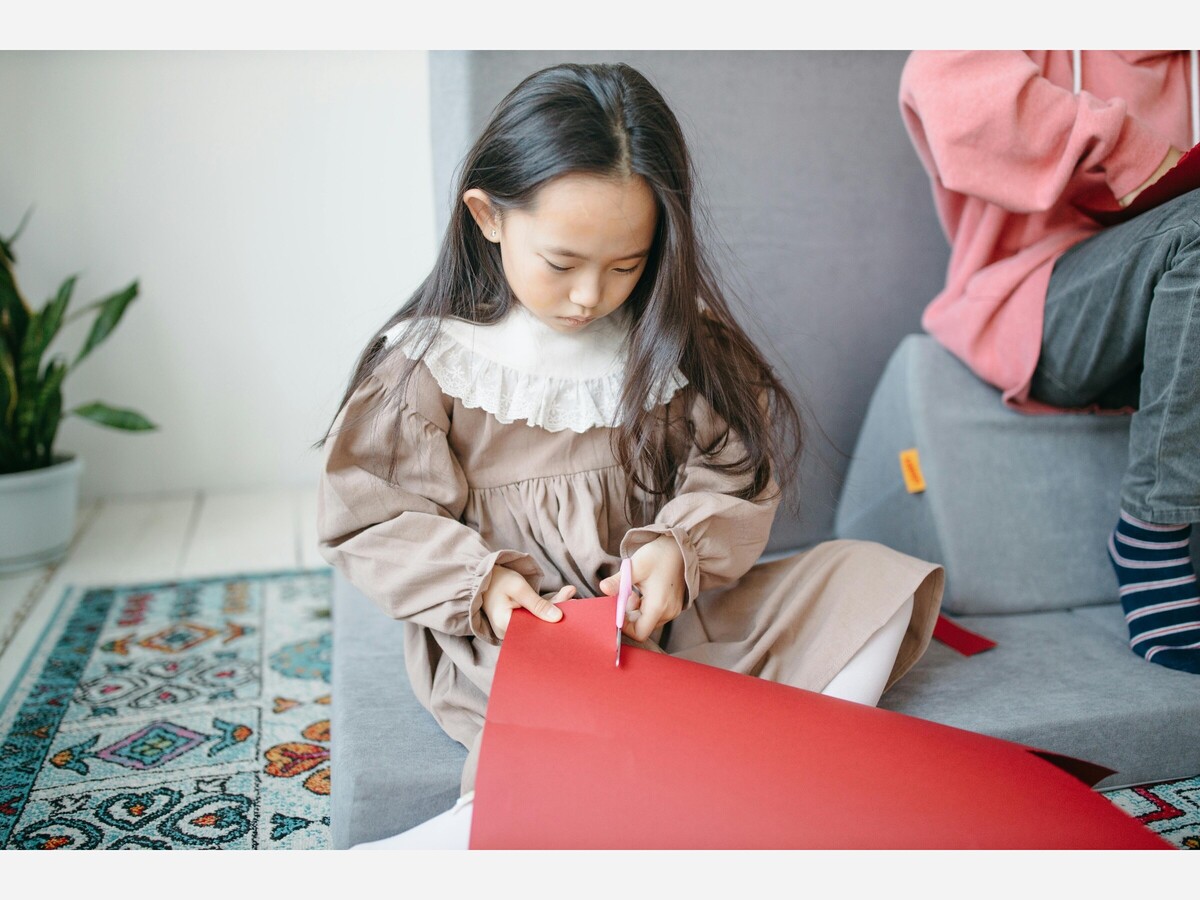
  • Minute 16–20: Print, cut, and stick onto notebooks, instrument cases, club swag, gift tags, or a volunteer “thank-you” bundle. A simple routine-based checklist helps you save time and energy by keeping scissors, tape, and printing paper in the same spot.

Understanding “Expanded Learning” After School

A helpful way to think about after school is as expanded learning opportunities, not just childcare or extra homework time. These are hands-on experiences that build thinking skills, social confidence, and creativity by putting kids in new roles, new places, and new challenges.

This matters if you are a local artist or writer juggling exhibits, workshops, and grant deadlines. When your child’s program grows the whole child, you get fewer “busy but bored” afternoons and more real independence. Research on adventure-style programs shows they can strengthen belonging, resiliency, and pro-social behavior, alongside critical thinking in kids through an Adventure Education intervention significantly enhances critical thinking.

Think of it like an open-mic night for learning. A kid who tries improv, coding, or volunteering practices collaboration, feedback, and follow-through, not just a single skill. With that lens, choosing from crafts to micro-business ideas gets much simpler.

Try 9 Offbeat Activities—Plus a 20‑Minute Design‑and‑Make Project

Expanded learning works best when it feels like play with a purpose, short, doable sessions that build skills and confidence without turning your kitchen into a second classroom.

  1. Run a “Make‑It Basket” Craft Rotation: Set up one bin with cardstock, tape, yarn, markers, and a few recyclables. Give your child a 10‑minute prompt like “build a tiny gallery plinth” or “make a puppet that can stand up,” then let them show-and-tell for 2 minutes. This strengthens creative problem-solving and presentation skills, two things that show up everywhere from art class critiques to community exhibits.
  2. Try an Arts‑and‑Music Swap Week: Pick one after‑school day for visual art and one for music, then trade “teacher” roles: your child teaches you a simple rhythm pattern, and you teach a simple drawing trick like blind contour. Keep it low-stakes by using a timer, 15 minutes each, and end by recording a 30‑second “studio update” video. The mix of sound + image helps kids connect ideas across mediums instead of staying in one lane.
  3. Do a 12‑Minute Kitchen STEM Challenge: Choose one micro‑experiment and keep the rule: predict, test, talk. Examples: paper-bridge strength test with coins, balloon static to move a stream of water, or “which towel absorbs faster?” Record one sentence in a notebook: “I thought ___ would happen because ___.” Those quick science habits build curiosity and follow‑through that expanded learning is all about.
  4. Use Language Learning as a “Field Notes” Game: Pick a language and learn 5 words a week tied to something your child already loves, colors for painters, emotions for writers, food for future chefs. Write the words on sticky notes and label real objects for a week, then do a 3‑minute scavenger hunt: “Find ‘blue,’ find ‘door,’ find ‘happy.’” The physical movement makes the words stick, especially after a long school day.
  5. Start a Kid Blog or Zine With One Repeatable Template: Keep it simple: a weekly post with the same headings, “This week I made…,” “A mistake I fixed…,” “A local inspiration…,” and “One question I’m chewing on….” Print it as a one-page zine now and then for grandparents or a youth table at a community event. It builds voice, reflection, and confidence, without needing perfect spelling or fancy tech.
  6. Choose Volunteering That Matches Their “Creative Identity”: Instead of generic volunteering, try roles that fit their interests: making thank-you cards for a pantry, designing simple posters for a book drive, taking photos for a neighborhood cleanup recap, or assembling art kits for younger kids. Keep the commitment tiny at first, one hour twice a month, so it stays sustainable.
  7. Test a Kid‑Sized Micro‑Business (Safely): Pick a product your child can make in batches, bookmarks, mini watercolor cards, button pins, friendship bracelets, or “poetry-on-demand” notes. Set three rules: a $10 supply cap, a 30‑minute production window, and a simple earnings goal like “save for one workshop fee.” Kids learn pricing, persistence, and pride without the pressure of a full-on hustle.
  8. Do the 20‑Minute Design‑and‑Make Labels Project:
  1. Make It Stick With a “Two‑Choice Menu”: Each week, offer one “comfort pick” and one “stretch pick” from the list above, and let your child choose. Afterward, do a 60‑second debrief: “What felt easy? What felt hard? What do you want to try again?” That tiny reflection makes it easier to spot which activities fit your child’s interests, your schedule, and your budget, especially here in Berks County where workshops and community events pop up year-round, including projects like custom stickers.

After-School Options Compared at a Glance

A quick comparison makes it easier to pick activities that fit real life. For local artists and writers juggling exhibitions, workshops, and grant deadlines, choosing the right after-school format can protect your creative time while still building your child’s skills. That matters even more when parents are part of the workforce and afternoons need to run smoothly.

Option

Benefit

Best For

Consideration

Make-It Basket Craft Prompts

Fast creativity and confident presenting

Short bursts before dinner

Requires occasional restock and setup spot

Arts-and-Music Swap Session

Cross-medium thinking and playful mentorship

Families who like co-creating

Needs an adult willing to participate

Kitchen STEM Mini-Challenge

Curiosity with a simple follow-through routine

Kids who ask “why” and “what if”

Mess potential and quick cleanup plan

Field Notes Language Game

Memory through movement and labeling

Active learners and word lovers

Works best with consistent weekly rhythm

Weekly Blog or Zine Template

Voice, reflection, and “finished” outputs

Kids who like sharing stories

Screen time or printing access may be needed

If your week is packed, choose the options with low setup and a clear end time. If your child craves validation, prioritize shareable outputs like a mini show-and-tell or a zine page. Knowing which option fits best makes your next move clear.

Start Small: One Creative After‑School Choice, Real Confidence Gains

After school can feel like a tug‑of‑war between what fits the calendar, what costs too much, and what your child will actually stick with. The simplest mindset is a low‑pressure “one new activity” experiment, pick one option that seems doable, try it, then adjust without turning it into a big production. When kids get gentle practice motivating themselves to try new activities, creative wins show up fast: more confidence, better follow‑through, and an easier time tackling hard things at school and at home. One new creative habit beats a perfect plan you never start. Pick one activity to try this week and do a short check‑in together afterward. That steady parent‑child engagement is how playful curiosity turns into lifelong learning habits that last beyond the school year.

* Ray Flynn’s first DIY project came at age 10 when he built a treehouse, complete with an (ill-advised) homemade zipline exit, in the woods behind his best friend’s house. When he’s not working as a civil engineer, Ray Flynn spends his time dreaming up new DIY projects that promote green living.

More News from Boyertown
I'm interested
I disagree with this
This is unverified
Spam
Offensive