Image
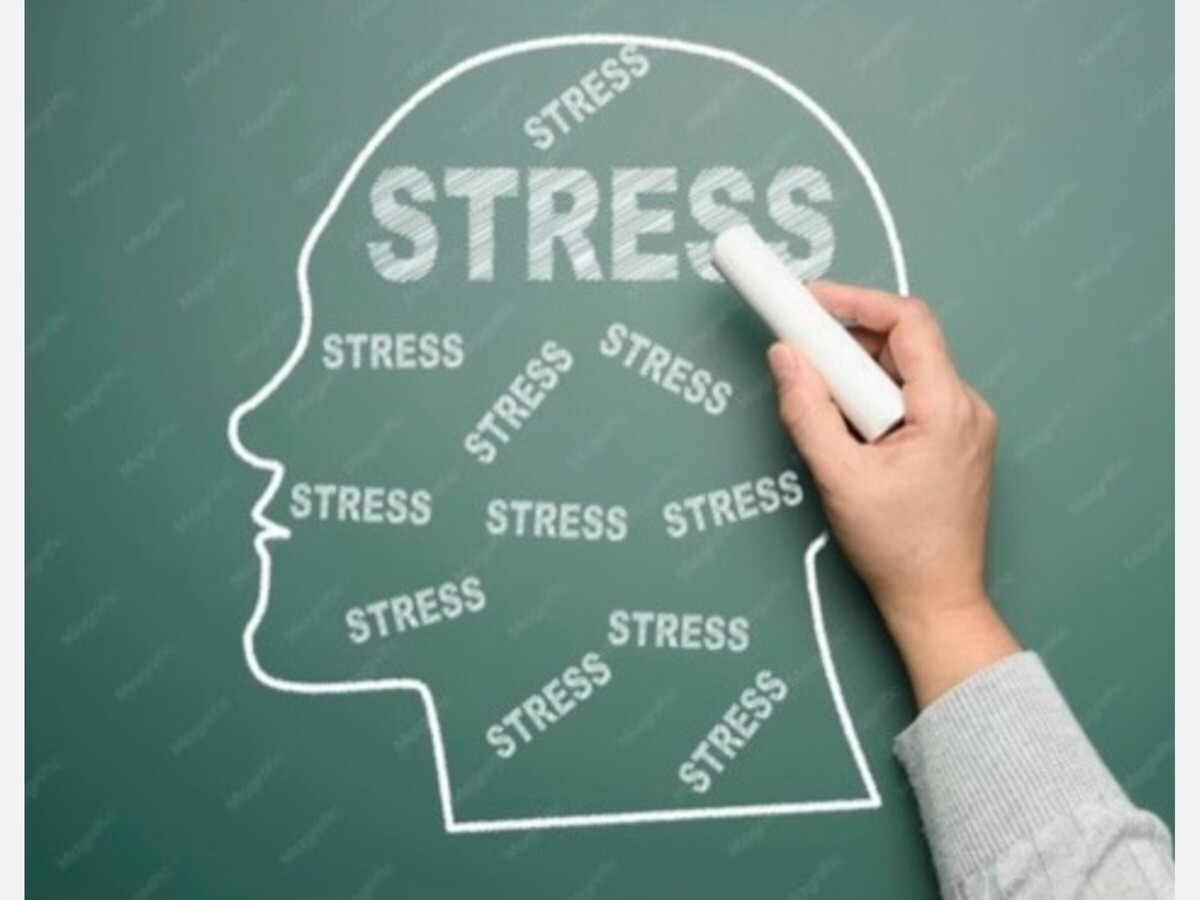
by Ray Flynn*
For busy parents, mid-career professionals, and caregivers juggling full schedules, everyday stress challenges can start to feel like the normal price of getting through the day. The core tension is that stress keeps showing up even when life looks “fine,” because the real sources of stress often hide in plain sight and blend together. Without stress identification, general readers end up reacting to symptoms, fatigue, irritability, scattered focus, while missing what’s actually driving them. Stress recognition matters because lasting relief starts when pressure gets named clearly.
When stress feels constant, start by separating the sources. A stressor is a stimulus that sets off your stress response, and those stimuli often fall into four buckets: work strain, emotional triggers, environmental factors, and personal causes.
This simple sorting step keeps you from treating every rough day like the same problem. When you can name the category, you can test what helps, spot repeat patterns, and stop wasting energy on fixes that do not match the real driver.
Picture a week where you snap at your family and sleep poorly. The work bucket might be a deadline, the emotional bucket a tense text, the environment a loud house, and the personal bucket skipped meals.
With your stressors mapped, comparing safety-minded, non-pharmaceutical relief options becomes clearer and more focused.
Once you can name what’s stressing you, it’s easier to choose a low-risk way to take the edge off without reaching for medication.
Next, you’ll build a calmer week by turning stress relief into a few steady daily habits.
Try these small routines to steady your week.
Stress is a natural response to pressures that can build quietly, so consistent habits work better than one-off fixes. These practices turn stress relief into something you can repeat, track, and trust over time.
Pick one habit this week, then adjust it to fit your household rhythm.
A few quick answers to keep you steady when life gets noisy.
Q: What if my stress feels “normal” and not worth fixing?
A: Stress is common, but constant strain can still wear you down. The fact that nearly half of all Americans report frequent stress is a reminder you are not alone. Choose one small practice and treat it like basic maintenance, not an emergency repair.
Q: How long does it take for simple habits to actually work?
A: Many people notice small shifts within days, like falling asleep faster or feeling less reactive. The bigger payoff comes from repetition, so track consistency for two weeks before judging results. If you miss a day, restart at the next easiest moment.
Q: Why do I keep quitting when I get busy?
A: Your plan is probably too big for your busiest days. Make a “minimum version” that takes 60 seconds, then keep the full version for calmer days. Consistency beats intensity when your schedule tightens.
Q: Can I reduce stress without changing my whole lifestyle?
A: Yes. Aim for tiny adjustments that fit what you already do, like pairing a reset breath with turning on your computer or brushing your teeth. Tie the habit to an existing routine so it happens on autopilot.
Q: Should I get professional help, or is that only for severe stress?
A: Support is for anyone who feels stuck, overwhelmed, or unsure what to try next. Choosing to seek professional helpcan give you tools, perspective, and accountability without judgment. Start by describing your most stressful moments and what you have already tried.
Small steps done often can change how your days feel.
Everyday stress has a way of piling up until it feels normal, making it hard to tell what’s triggering it and what actually helps. The most reliable path is a simple cycle: stress identification, then steady practice of proven stress management techniques and wellbeing improvement tips that fit real life. Over time, those active stress reduction steps make reactions less automatic and recovery noticeably faster. Small, repeatable actions are the foundation of long-term stress resilience. Choose one technique to practice today, tie it to an existing routine, and repeat it for a week. That consistency supports clearer thinking, steadier energy, and stronger health when pressure shows up again.
* Ray Flynn’s first DIY project came at age 10 when he built a treehouse, complete with an (ill-advised) homemade zipline exit, in the woods behind his best friend’s house. When he’s not working as a civil engineer, Ray Flynn spends his time dreaming up new DIY projects that promote green living.


Not badly done for a former journalism teacher and school newspaper advisor. Thank G_d there was no need for collating or paste-ups.

Sunny, with a high of 63 and low of 38 degrees. Smoky haze during the morning, sunny for the afternoon, clear in the evening, smoky haze overnight.



Interesting, Bob. Thanks, but I wonder how that related to people’s probably very strong religiously beliefs back then —-not the fact that there’s evil, but that there’s some kind of symbol that can stop it; that sounds more like witchcraft.
Religion and superstition have always co-existed. For an example, see any devout Christian in the area who also has a "lucky" Eagles jersey, or believes that wearing their baseball cap inside out will help a rally keep going...