

Image
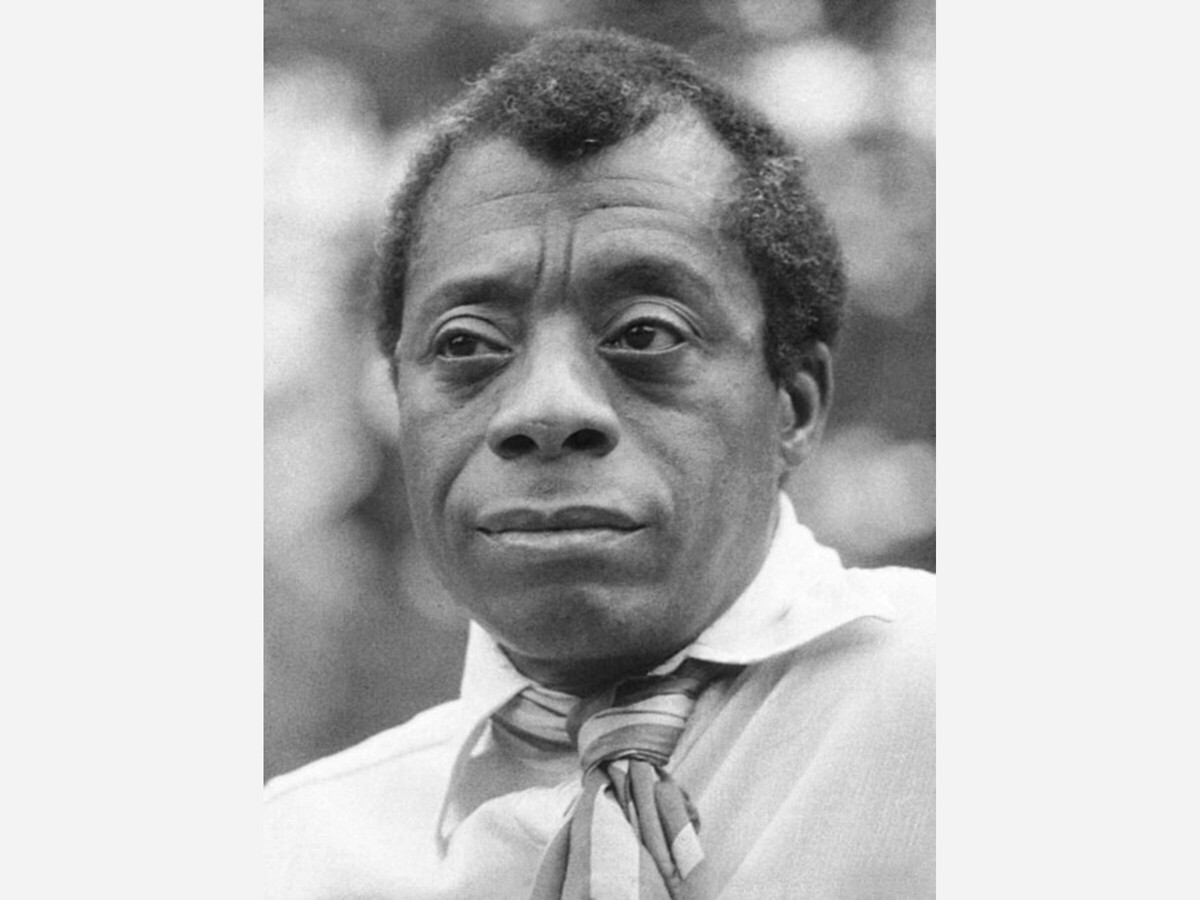
photo from Wikipedia
from The Expression staff
February has been designated Black History Month since 1970. Black educators and students at Kent State University first proposed the designation in February 1969; former President Gerald Ford recognized it in 1976. It is now celebrated around the world.
The precursor to Black History Month was created in 1926 in the U.S. as Negro History Week and held the second week of February to honor Abraham Lincoln and Frederick Douglass whose birthdays fell in mid-February.
As the Expression’s celebration of Black History Month, we encourage readers to become acquainted with some of the highly influential and critically acclaimed Black authors listed below.
James Baldwin, essayist and novelist, provided valuable perspectives about the role of the artist in his essay “The Creative Process” as “disturber of the peace” and the creative process as a courageous, solitary act of confronting reality and challenging societal norms. He was determined to foster genuine, individual awareness, to hold a mirror up to the world, forcing it to reveal hidden truths about the human condition and force society to face uncomfortable realities.
For Baldwin, art was not to entertain, comfort, or uplift the beautiful; it was a solitary effort accomplished in deep solitude that was needed to pierce through illusions--to disrupt false notions of safety and stability in society.
He says, “Societies never know it, but the war of an artist with his society is a lover’s war, and he does, at his best, what lovers do, which is to reveal the beloved to himself and, with that revelation, to make freedom real.”
Sandra Williams shared the poem below by Sterling Allen Brown, written in 1936, that illustrates Baldwin's stance about the role of the artist who holds a mirror up to the world...forcing society to face uncomfortable realities. Sadly, the poem speaks to us today as citizens of Minneapolis lose their lives without cause.
Let us forgive Ty Kendricks.
The place was Darktown. He was young.His nerves were jittery. The day was hot.
The Negro ran out of the alley.
And so Ty shot.Let us understand Ty Kendricks.
The Negro must have been dangerous.
Because he ran;
And here was a rookie with a chance
To prove himself a man.Let us condone Ty Kendricks
If we cannot decorate.
When he found what the Negro was running for,
It was too late;
And all we can say for the Negro is
It was unfortunate.Let us pity Ty Kendricks.
He has been through enough,
Standing there, his big gun smoking,
Rabbit-scared, alone,
Having to hear the wenches wail
And the dying Negro moan. Sterling Allen Brown1936Sandra Williams
Highly Influential and Critically Acclaimed
Other Notable & Famous Authors:



Overcast, with a high of 69 and low of 51 degrees. Overcast for the morning,