Image
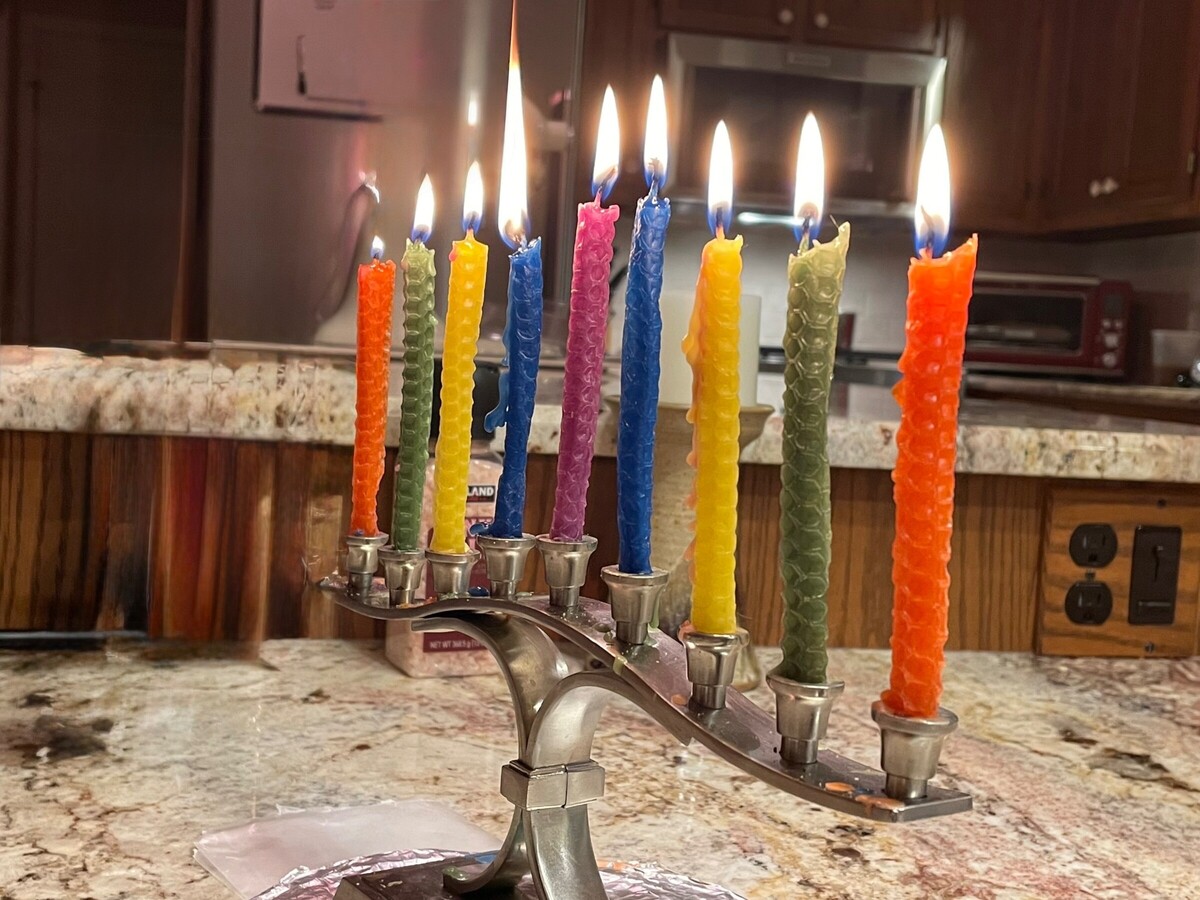



For the past eight nights Jewish area residents have had their lit menorahs glowing on display as part of the celebration of Chanukah.
As night falls during Chanukah, small flames begin to appear in windowsills, doorways, and public squares, quietly pushing back the darkness one light at a time. These candles, kindled on the Chanukah menorah, do more than mark the passage of eight winter nights. They tell a story of survival, defiance, and renewal that has traveled across centuries and continents, evolving along the way into one of the most enduring and adaptable symbols of Jewish life.
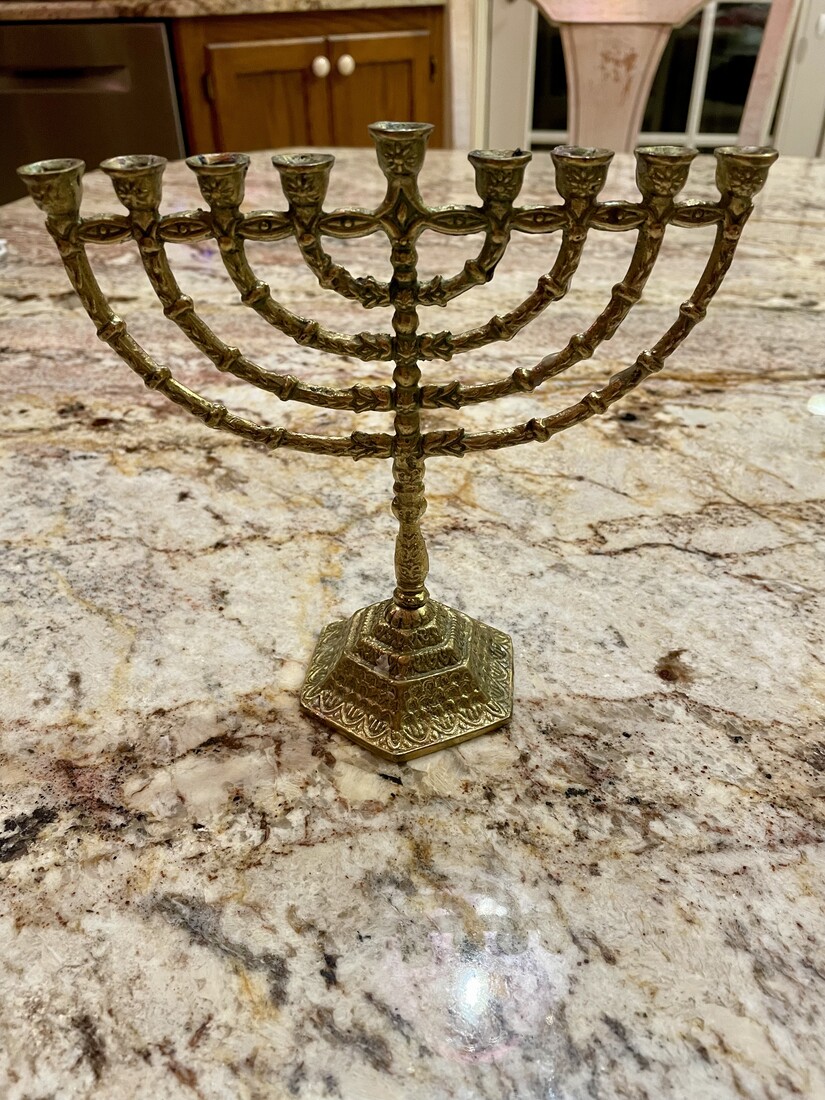
The origins of the Chanukah menorah, more precisely called a hanukkiah, are tied directly to the holiday’s central story. Chanukah commemorates the rededication of the Second Temple in Jerusalem in the second century BCE, following the Maccabees’ revolt against Greek rule. According to tradition, when the Temple was reclaimed, there was only enough consecrated oil to light the menorah for one day, yet it burned for eight. To mark this miracle, Jews light candles for eight nights, using a nine-branched menorah—eight lights representing the days of the miracle and a ninth, the shamash, used to kindle the others.
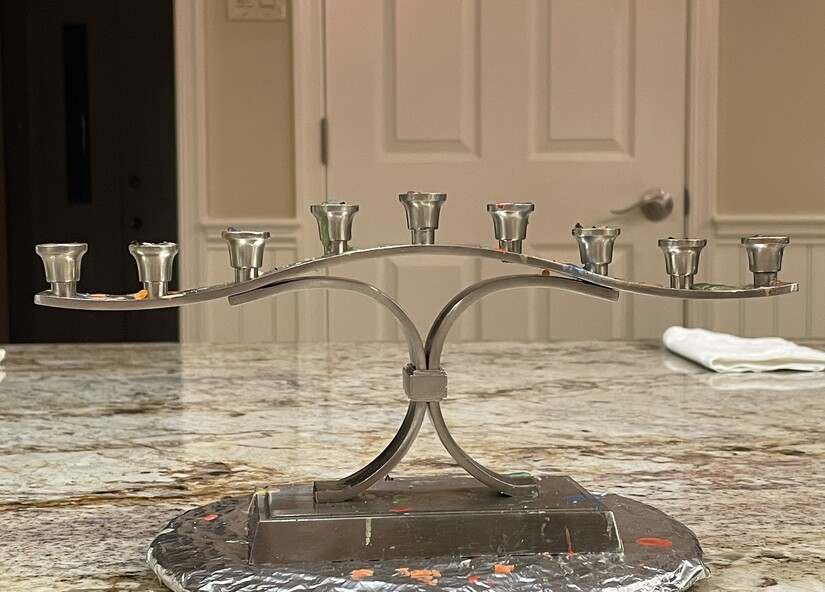
Unlike the seven-branched menorah of the ancient Temple, which remains a powerful historical and religious symbol, the Chanukah menorah was designed specifically for home observance. Its purpose is not only to commemorate the miracle but to publicize it. Jewish tradition encourages placing the menorah in a window or doorway, transforming a private ritual into a visible declaration of faith, resilience, and continuity.
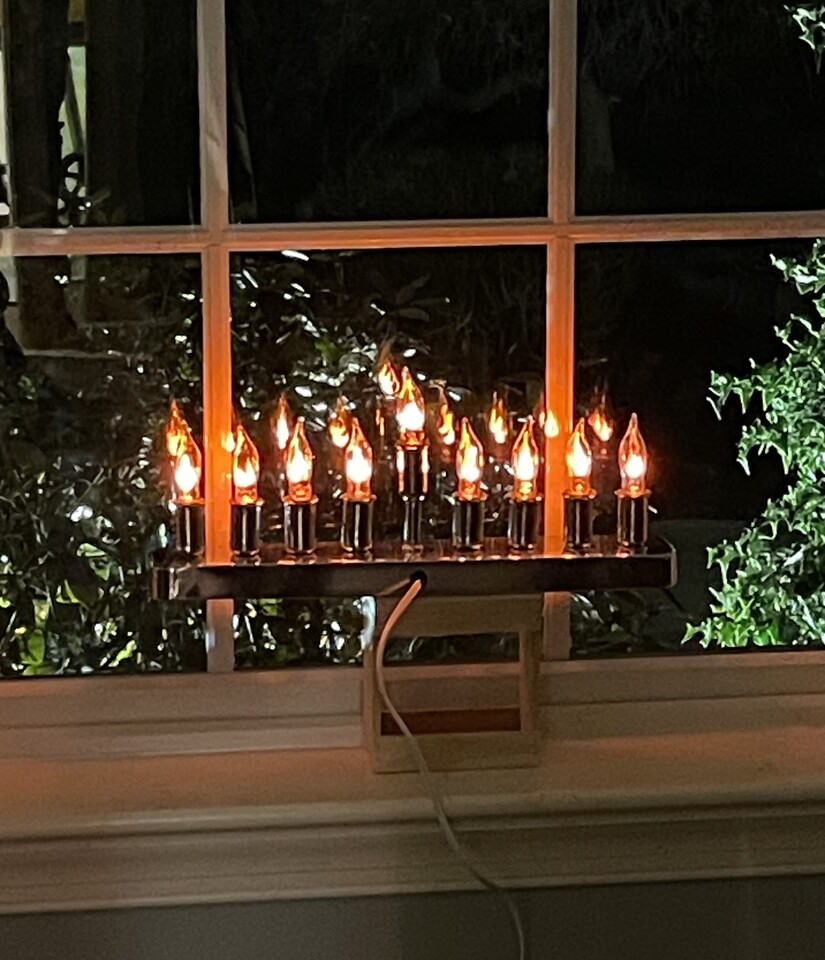 In recent years electric menorahs often replace those with candles.
Over time, the menorah has also become a cherished collectible. Many families own multiple menorahs, rotating them throughout the holiday or preserving heirloom pieces passed down through generations. Museums and collectors prize antique menorahs from Europe, North Africa, and the Middle East, where regional materials and artistic traditions shaped their designs. Each piece offers a snapshot of Jewish life in a particular time and place.
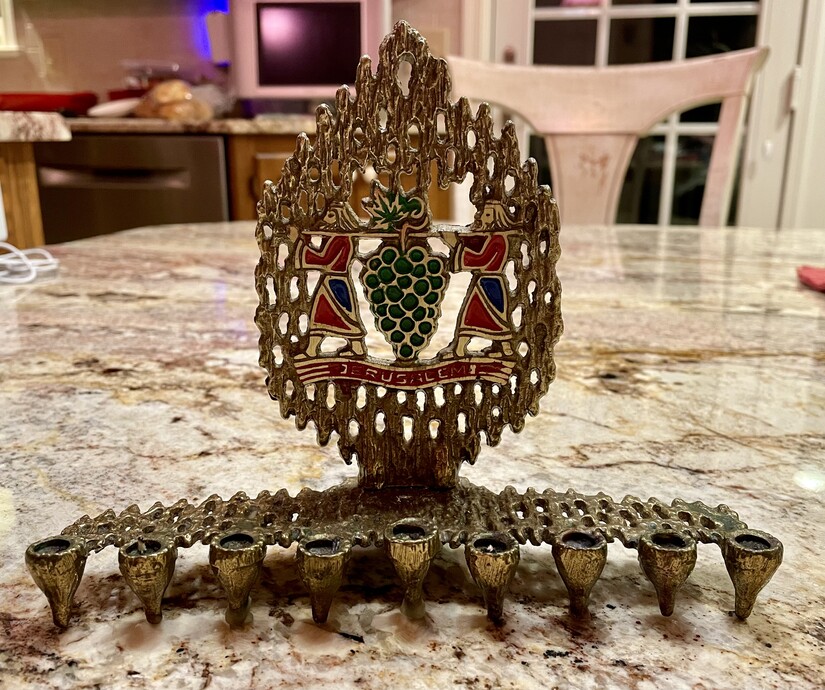
Artistically, menorahs span a remarkable range of styles. Classical designs often feature lions, crowns, and floral motifs, while contemporary versions embrace clean lines, abstract forms, and experimental materials. Crafted from silver, brass, glass, wood, ceramics, and even found objects, modern menorahs reflect the creativity of artists who reinterpret ancient symbolism for today’s world.
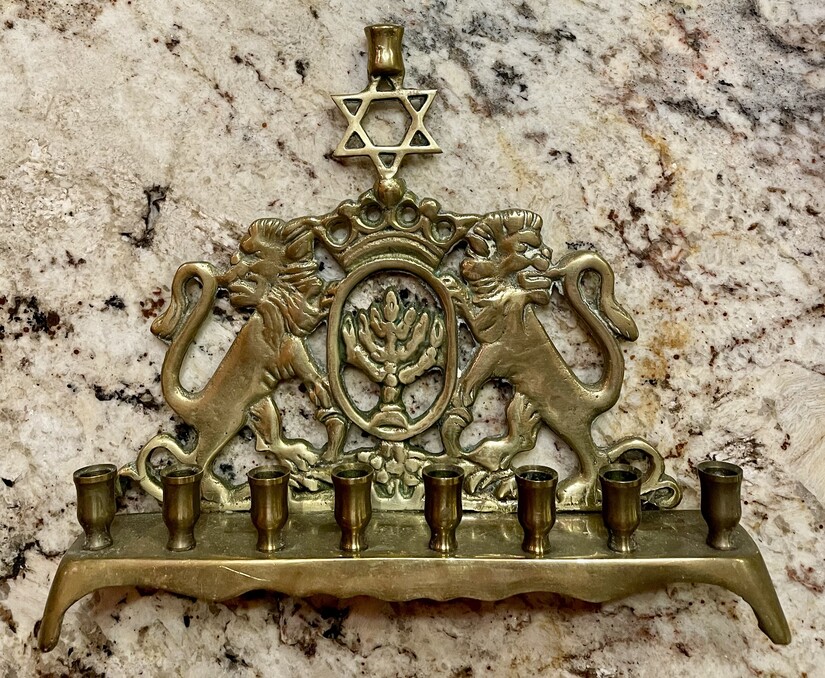
In homes, galleries, and city squares alike, the Chanukah menorah remains a living object. Whether modest or monumental, traditional or cutting-edge, each menorah carries the same essential message: that light endures, and that history continues to be kindled anew, one flame at a time.



Sunny, with a high of 79 and low of 63 degrees. Sunny in the morning, mist overnight.


Thanks for this exposure, Jane & Leslie! Hello to everyone in Boyertown!


Dear Jan - Thank you for this article! I love the Overview Effect. planet first, society second, economy last