70° and Heavy rain



Image
by Jane Stahl
Kwanzaa is a time of learning, family and celebration. The mission of Kwanzaa is to strengthen family, community, and culture by promoting values that support unity, responsibility, creativity, and faith. It encourages reflection, learning, and collective action while honoring African and African American heritage.
During the week of Kwanzaa, families and communities come together to share a feast, to honor the ancestors, affirm the bonds between them, and to celebrate African and African American culture. Kwanzaa is celebrated annually from December 26 to January 1.
Each day a candle is lighted to highlight the principle of that day and to breathe meaning into the principles with various activities, such as storytelling, honoring ancestors and elders by reciting the sayings or writings of great black thinkers and writers, reciting original poetry, African drumming, and sharing a meal of African diaspora-inspired foods.
Principles (Nguzo Saba)
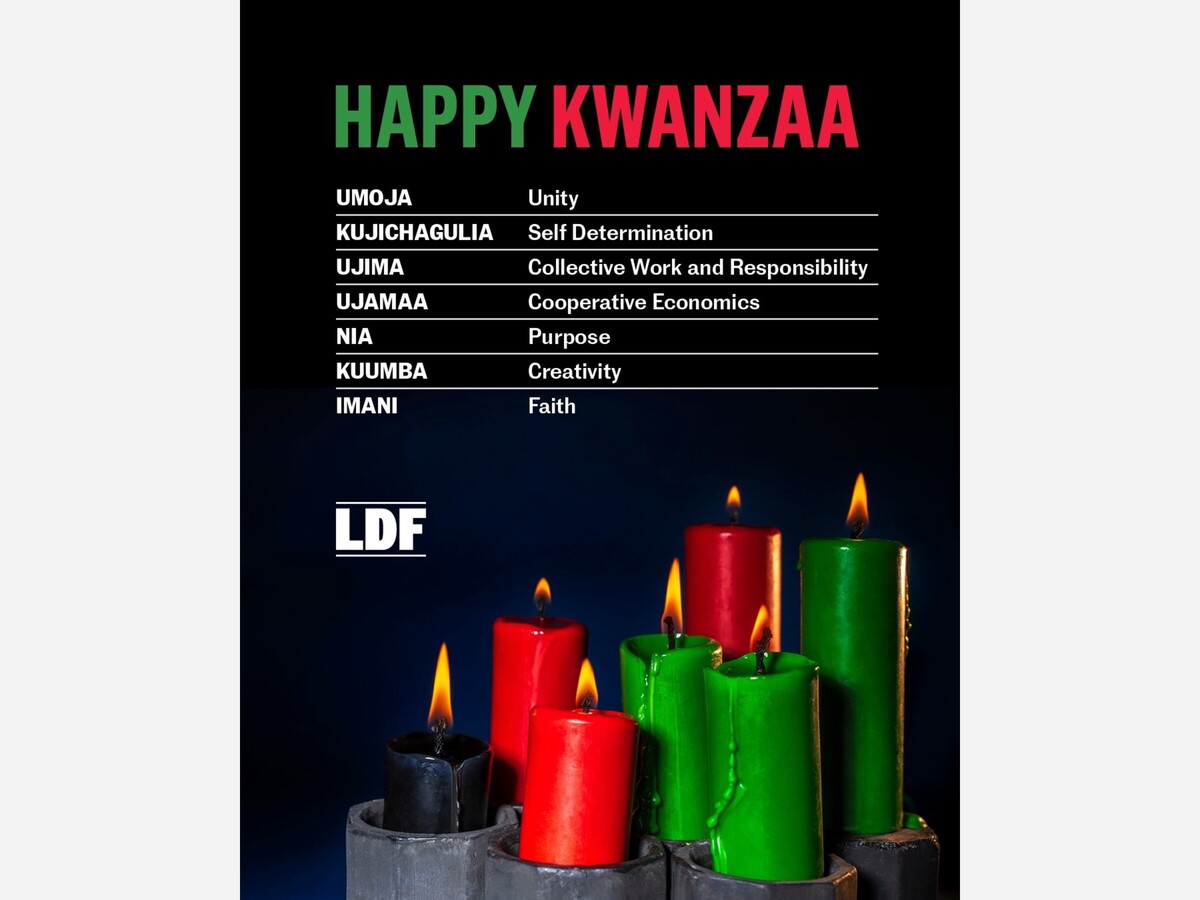
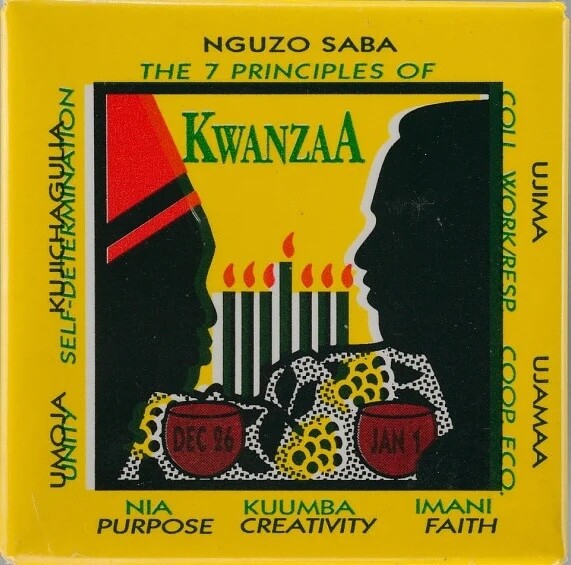
1. Umoja (Unity) – Working to maintain unity in family, community, and people
2. Kujichagulia (Self-Determination) – Defining, naming, and speaking for ourselves
3. Ujima (Collective Work and Responsibility) – Solving problems together
4. Ujamaa (Cooperative Economics) – Supporting and building shared economic strength
5. Nia (Purpose) – Building and developing the community
6. Kuumba (Creativity) – Leaving the community more beautiful than we inherited it
7. Imani (Faith) – Believing in our people, leaders, and future
The table is decorated with the essential symbols of Kwanzaa, such as the Kinara (Candle Holder), Mkeka (Mat), Muhindi (corn to represent the children), Mazao (fruit to represent the harvest), and Zawadi (gifts) that encourage learning and creativity. .
One might also see the colors of the Pan-African flag, red (the struggle), black (the people), and green (the future), represented throughout the space and in the clothing worn by participants. These colors were first proclaimed to be the colors for all people of the African diaspora by Marcus Garvey.
Common symbols include the Mkeka (mat), Mazao (harvest), Muhindi (corn for children), and the colors red, black, and green, representing struggle, people, and future.
Kwanzaa was created in 1966 by scholar and activist Dr. Maulana Karenga during the Black Freedom Movement in the United States. It was developed to help African Americans reconnect with African cultural heritage, strengthen community bonds, and affirm shared values.
Click to read more: https://bit.ly/3L3hgFi
“We are each other’s harvest;
we are each other’s business;
we are each other’s magnitude and bond.”
~ Illinois Poet Laureate Gwendolyn Brooks (1968-2000)



Sunny, with a high of 87 and low of 70 degrees. Sunny for the morning, overcast overnight.