45° and Clear


Image
by Mike Strzelecki*
It’s summer, and the fields and forests have quieted of birdsong. The chatty migratory birds have passed through, and the summer residences have ceased their breeding calls. The birds of summer are settling into the heat by finding shade and conserving energy.
One bird, however, owns the forests in summer. The wood thrush is an attractive bird with one of the loveliest calls in the ornithological world. It sings loudly and proudly across woodland all summer. If you are hiking in forests or walking around a wooded park, and it sounds like someone is playing a flute nearby, you are listening to the wood thrush.
Here is its call: https://www.allaboutbirds.org/guide/Wood_Thrush/sounds
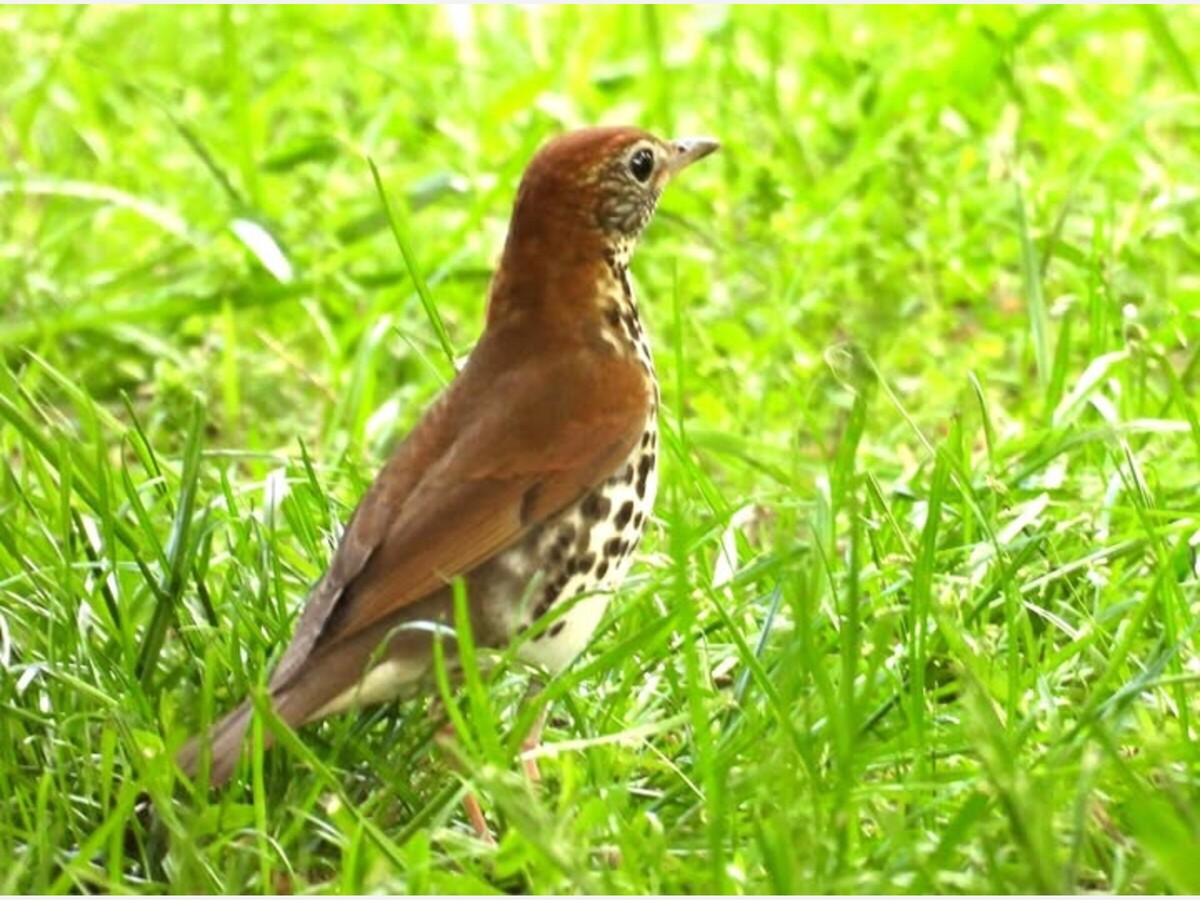
Wood thrushes hang low in tree canopies and can often be seen as well. I frequently see them on the ground rooting around in leaves for bugs and seeds. They are a rich cinnamon color with a white underbelly splashed with small black dots. They have distinct and prominent eye rings. Its Latin name, hylocochla mustelina, translates to weasel-colored woodland thrush.
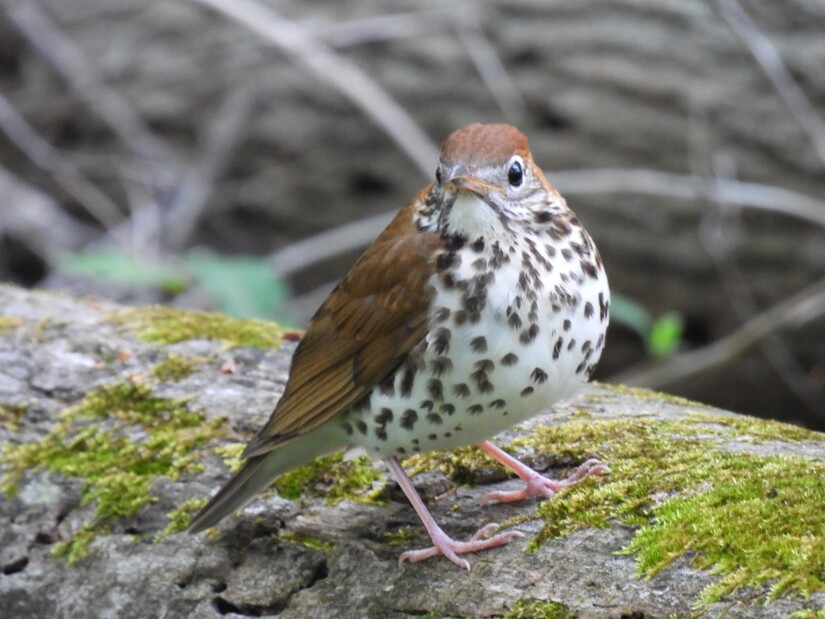
Wood thrushes do not come to feeders and rarely come to yards (although they can be heard if your house borders woodland). To see one, you have to head to expansive stands of trees. State parks, for instance. Or even local parks. They are a common species and can be readily heard. French Creek State Park is abundant with wood thrush. Though I have never seen nor heard one in Boyertown Community Park, the habitat is right for them, and they can probably be seen there.
A few interesting wood thrush facts: Songbirds like the wood thrush require 15 times more calcium to produce eggs as compared to other animals its size. As such, forest snail shells are necessary for successful breeding. These snails are disappearing from forest soils exposed to acid rain, and this decline in snail population is having a deleterious effect on the wood thrush population.
Also, during mating season, the males of most bird species square off against one another for the attention of the female by matching each others’ songs. The wood thrush doesn’t play that game. In mating, it almost always answers another bird’s song with an original tune. With such a lovely voice, it surely wants to show off its range.
The wood thrush deviates from traditional bird behavior in another fascinating way. Unlike most species, the male wood thrush provides more food for chicks than the female. This behavior frees up the female wood thrush to immediately start a second spring brood. If the second brood develops, the male and female wood thrush then split up the remaining feeding chores equally. The wood thrush female is often known to “fool around” on her mate. Studies have shown that about 40 percent of the young raised by a wood thrush couple are the result of the female mating with a different male.
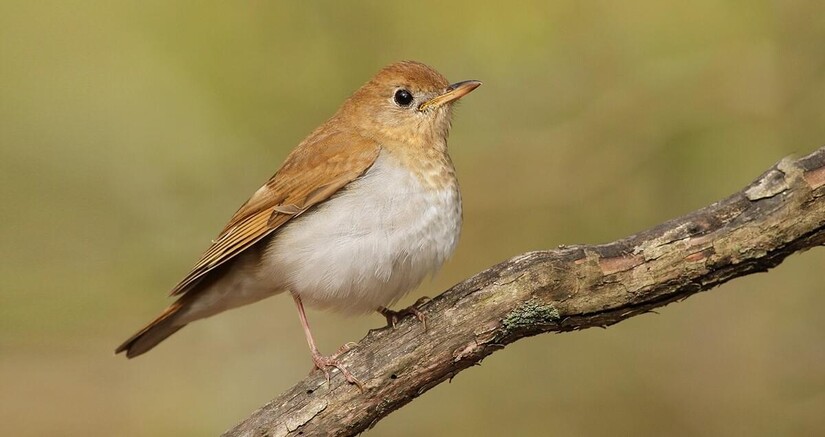
If you should go in search of a wood thrush, please keep this in mind: there are other birds in Boyertown-area forests in summers that look similar to a wood thrush, but lack the beautiful trilly song. The Veery is the same size and color as the wood thrush, but lacks the heavy black dot pattern on the belly. Here is a picture of a veery.
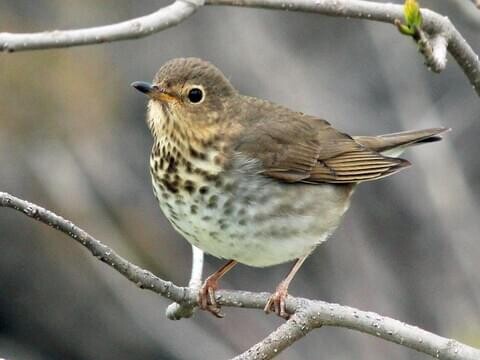
The swaison’s thrush is often mistaken for the wood thrush, and although it has the black dots on the underbelly, its color is more muted. Almost a drab olive. Here is a picture of a swainson’s thrush.
But when you do go in search of the wood thrush, just follow your ears to the flutey call and you will unmistakably know that you are in the presence of a wood thrush.
*Mike Strzelecki is a freelance travel and outdoor writer, and 1981 graduate of Boyertown Area Senior High School. He writes from his house in Baltimore, Maryland. In his spare time, he joins his wife on adventures around the country observing and photographing birds.


Sunny, with a high of 66 and low of 42 degrees. Sunny in the morning, clear in the afternoon and evening,
Not badly done for a former journalism teacher and school newspaper advisor. Thank G_d there was no need for collating or paste-ups.

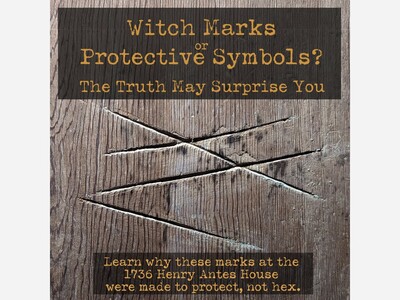

Interesting, Bob. Thanks, but I wonder how that related to people’s probably very strong religiously beliefs back then —-not the fact that there’s evil, but that there’s some kind of symbol that can stop it; that sounds more like witchcraft.
Religion and superstition have always co-existed. For an example, see any devout Christian in the area who also has a "lucky" Eagles jersey, or believes that wearing their baseball cap inside out will help a rally keep going...