70° and Mist


Image
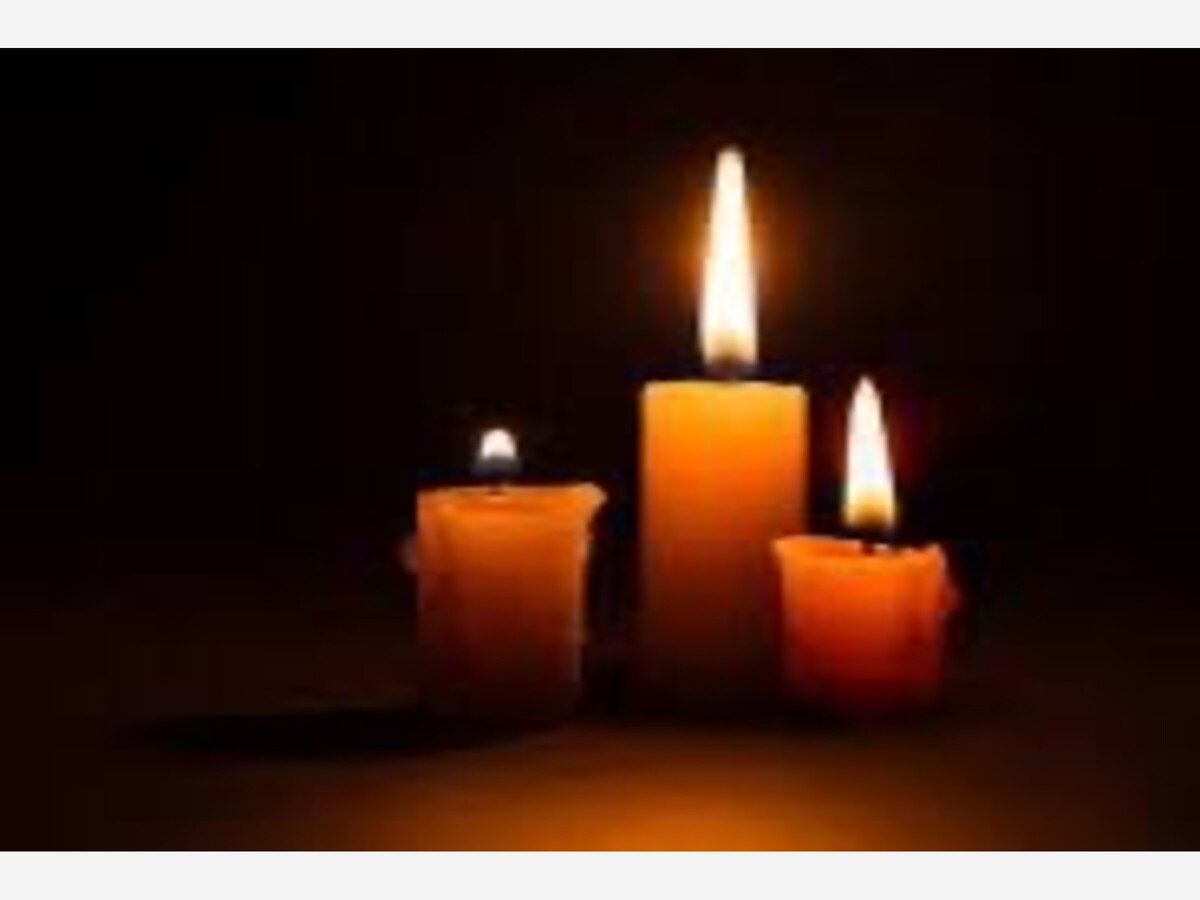
We messed up. Yesterday was Holocaust Remembrance Day and we wanted to acknowledge that in yesterday's Expression. Unfortunately, the day got by us and we forgot to remember, but as we processed our frustration with ourselves, we realized Holocaust Remembrance Day is still here-- every day.
Holocaust Remembrance Day is a single day set aside on the calendar, but its meaning cannot be confined to a single day. It asks us to remember six million Jewish lives and millions of other innocent people who were systematically murdered, not as an abstract historical tragedy, but as a human one—made up of individual lives, families, dreams, and futures that were violently erased.
The Holocaust did not begin with gas chambers. It began with the gradual loss of empathy, with indifference to suffering, with the normalization of cruelty, and with the dangerous idea that some lives mattered less than others. Remembering the Holocaust, then, is not only about honoring the dead; it is about examining ourselves and the world we live in now.
That is why remembrance must be ongoing. Every day, innocent lives are lost to violence, hatred, and senseless acts that leave families shattered and communities grieving. The recent killing of two American citizens in Minneapolis is one such reminder—an example of how abruptly life can be taken, and how deeply such losses ripple outward. While the circumstances may differ vastly from those of the Holocaust, the grief is familiar, and the moral demand is the same: to mourn, to care, and to refuse to shrug and be indifferent.
Holocaust Remembrance Day teaches us that forgetting is dangerous, but it also teaches us that remembering is not passive. To remember is to actively affirm the value of every human life. It is to recognize warning signs in our own time—dehumanization, cruelty, apathy—and to challenge them wherever they appear, quietly or loudly.
When we say “Never Again,” we are not only speaking about the past. We are making a promise in the present. A promise to see people as people. A promise to mourn unjust loss, even when it is uncomfortable or inconvenient. A promise to choose empathy over indifference.
If we allow Holocaust Remembrance Day to shape how we live every day—how we respond to suffering, how we speak about others, how we honor the lives lost around us—then remembrance becomes more than memory. It becomes responsibility.

Thank you for today's Expression--It is an example of the scope of the newsletter, of the diversity of information, interests, concerns and ideas to ponder for our diverse community and, in this case, to remind us and unite us based on the most essential thing we ALL have in common--We are human beings, some believe "in the image of God." who were given the independence and right in our country of Life, Liberty and the pursuit of happiness.

Sunny, with a high of 79 and low of 63 degrees. Sunny during the morning, mist overnight.


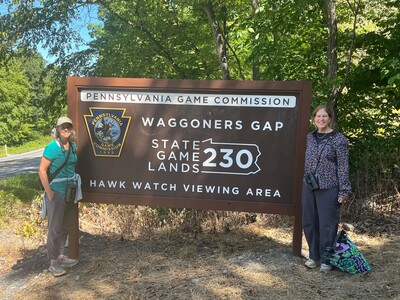
Thanks for this exposure, Jane & Leslie! Hello to everyone in Boyertown!



Dear Jan - Thank you for this article! I love the Overview Effect. planet first, society second, economy last