Image
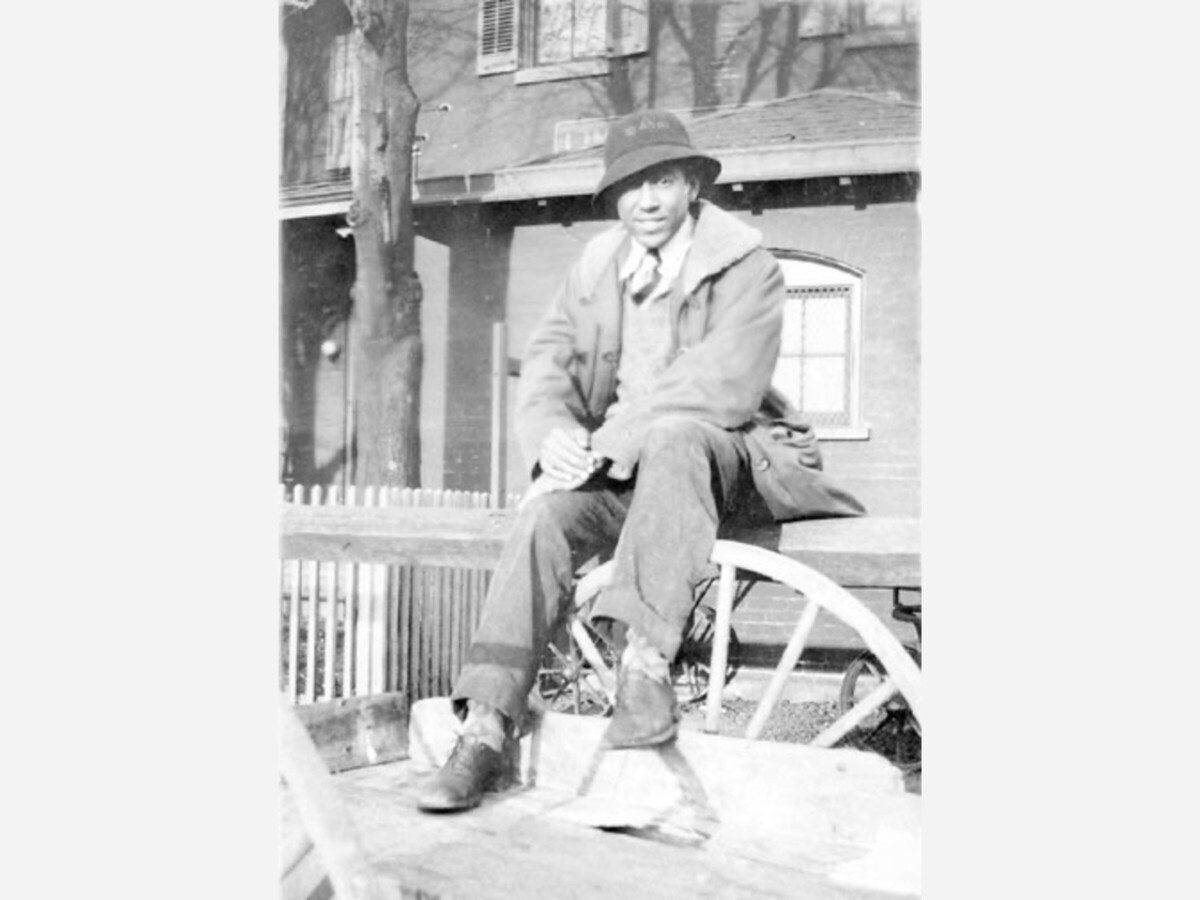
photo from Wikipedia



From The Expression staff...
February has been designated Black History Month since 1970. Black educators and students at Kent State University first proposed the designation in February 1969; former President Gerald Ford recognized it in 1976. It is now celebrated around the world.
The precursor to Black History Month was created in 1926 in the U.S. as Negro History Week and held the second week of February to honor Abraham Lincoln and Frederick Douglass whose birthdays fell in mid-February.
As the Expression’s celebration of Black History Month, we encourage readers to become acquainted with some of the highly influential and critically acclaimed Black authors listed below.
One poet, Langston Hughes was a prominent figure in the Harlem Renaissance – the African-American cultural revival that spanned the 1920s and 1930s – and he wrote poetry that focused on the Black experience in America. His poem "Mother to Son" was first published in 1922. It is more than likely that every parent has offered similar sentiments to their children. Life is never easy--for anyone--but giving up is not acceptable.
Mother to Son
Well, son, I’ll tell you:
Life for me ain’t been no crystal stair.
It’s had tacks in it,
And splinters,
And boards torn up,
And places with no carpet on the floor—
Bare.
But all the time
I’se been a-climbin’ on,
And reachin’ landin’s,
And turnin’ corners,
And sometimes goin’ in the dark
Where there ain’t been no light.
So boy, don’t you turn back.
Don’t you set down on the steps
’Cause you finds it’s kinder hard.
Don’t you fall now—
For I’se still goin’, honey,
I’se still climbin’,
And life for me ain’t been no crystal stair.
In “The Negro Artist and the Racial Mountain," Langston Hughes acknowledges the particular challenges of being Black in America during his time, but wrote with hope and determination. He wrote, “We younger Negro artists who create now intend to express our individual dark-skinned selves without fear or shame. If white people are pleased, we are glad. If they are not, it doesn’t matter. We know we are beautiful. And ugly too."
I, Too
I, Too, Sing America.
I am the darker brother.
They send me to eat in the kitchen
When company comes,
But I laugh,
And eat well,
And grow strong.
Tomorrow,
I’ll be at the table
When company comes.
Nobody’ll dare
Say to me,
“Eat in the kitchen,”
Then.
Besides,
They’ll see how beautiful I am
And be ashamed--
I, too, am America.
"Dream Deferred" seems as timely today as it was in 1951 when Langston Hughes wrote it--especially for those whose search for the "American Dream" seems elusive--even denied.
Dream Deferred
What happens to a dream deferred?
Does it dry up
Like a raisin in the sun?
Or fester like a sore--
And then run?
Does it stink like rotten meat?
Or rust and sugar over--
like a syrupy sweet?
Maybe it just sags
like a heavy load.
Or does it explode?
Highly Influential and Critically Acclaimed Authors
Other Notable & Famous Authors:
Thank you for the reminder of what is a wealth of Black history in literary form by Hughes and other poets and authors.



Overcast, with a high of 69 and low of 51 degrees. Overcast for the morning,