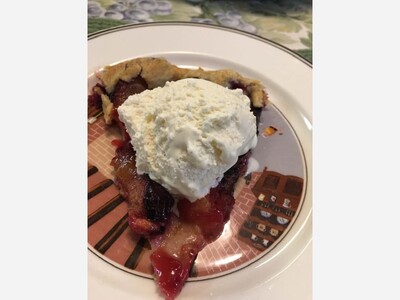
76° and Overcast
Image
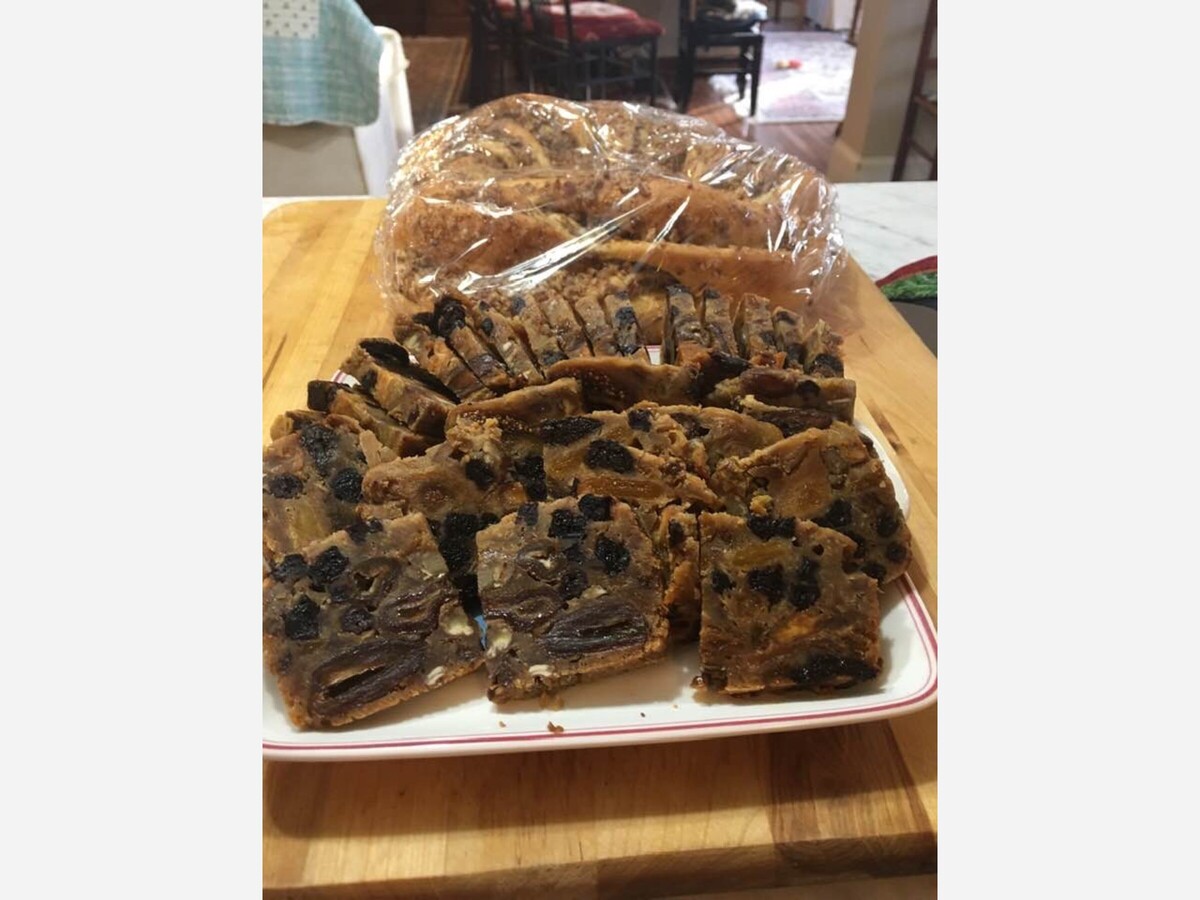



Fruitcake finale!
From the Romans’ love of celebrating their Saturnalia fest to provisioning their military on their endless attempts to conquer the globe, their version of fruitcake traveled to all corners of their world until their empire fell.
Into the British and European Dark Ages we go – a time of violence, superstition, and great decline of literacy. Somehow, even the most bloodthirsty 11th century Crusade army needed to eat and perhaps therein lies the only victory. The mayhem and loss of those bloody wars served not only to increase trade and foster the sharing of new recipes, spices, and fruits, but it also introduced the use of forks and the salubrious benefits of bathing. Spices like cinnamon, nutmeg and cloves, as well as wonderful dried fruits, made their way back to England – and in spite of the chaos of those sad years, the fruit cake enjoyed a resurgence with the inclusion of those wonderful foods.
Segue to 14th century England and we see the birth of the plum cake – plum meaning any dried fruit – a glorious treat soaked in alcohol reserved for grand celebrations.
The Renaissance saw the fruit cake gain in popularity as a special gift offered at Yuletide. It was called “panforte” in Italy, “stollen” in Germany, and “gateau aux fruits” in France. It went through a troubled time, temporarily, when a certain Pope banned it for containing butter which he considered an evil fat. That was speedily rescinded by the following pontiff.
On to the Victorian era, a time of teas and elegant dainties. Fruitcake was a necessary presence at weddings. Rather than capture a flying bouquet, unmarried guests would put a slice of the wedding fruitcake under their pillow to dream of a prospective spouse!
The English colonists brought fruitcake along as they immigrated to America. By then, recipes called for candied fruit owing to the availability of sugar, and that type of cake is commonly still available in stores and bakeries today.
Our cake is made in the older style using only dried fruits and nuts available in the Middle East and Europe and, of course, soaked in liquor in order to preserve it. It’s dark, moist and deeply flavored. So far I’ve had no complaints - even my son (who would normally never touch a fruit cake) smacked his lips!
Be well, dear friends, and enjoy the warmth and love of family and friends (and a good meal) as you sit around your tables in the coming days!
[Still want to learn more? You can read Parts 1 and 2 of our Francine's fruitcake tour de force here.]
High in the mountains above Bally, where the dense groves of treetops seem to touch the sky, is Francine Black, Boyertown’s own version of chef Julia Child. Her daily activities reflect the things she most values: family and friends, music, and lovingly prepared food.



Sunny, with a high of 86 and low of 70 degrees. Sunny in the morning, patchy rain nearby overnight.